Explore our solutions for high-dynamic maneuvers in autonomous vehicles ↓

Autonomous haulage
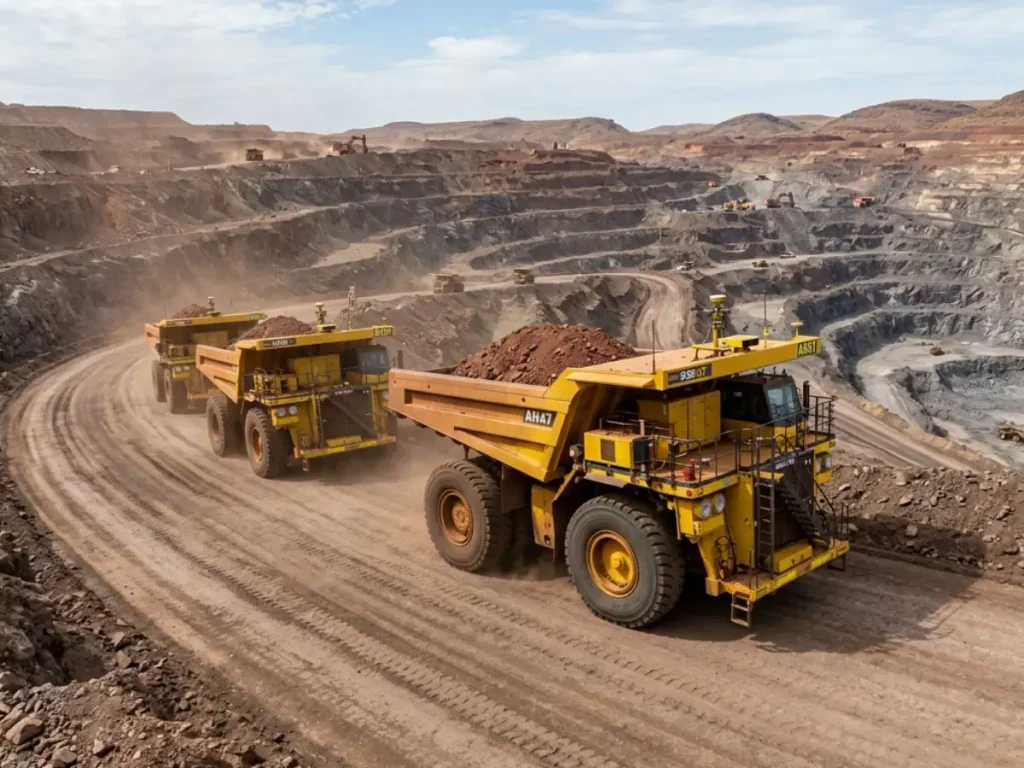
Autonomous haulage refers to the automated operation of mining haul trucks with limited or no direct human control. In practice, autonomous haul trucks use positioning, perception, communication, and vehicle-control technologies to navigate predefined routes, manage speed, avoid obstacles, and execute loading and dumping cycles.
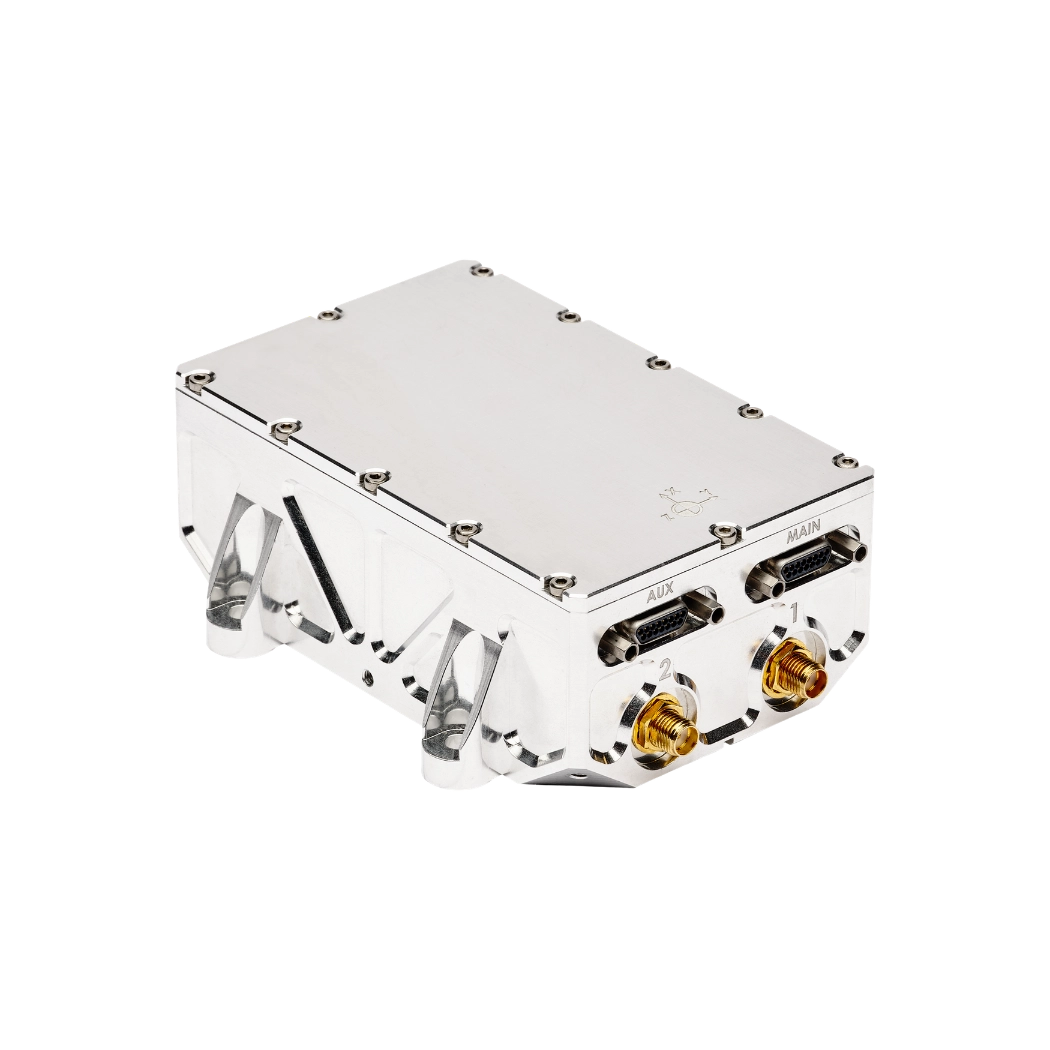
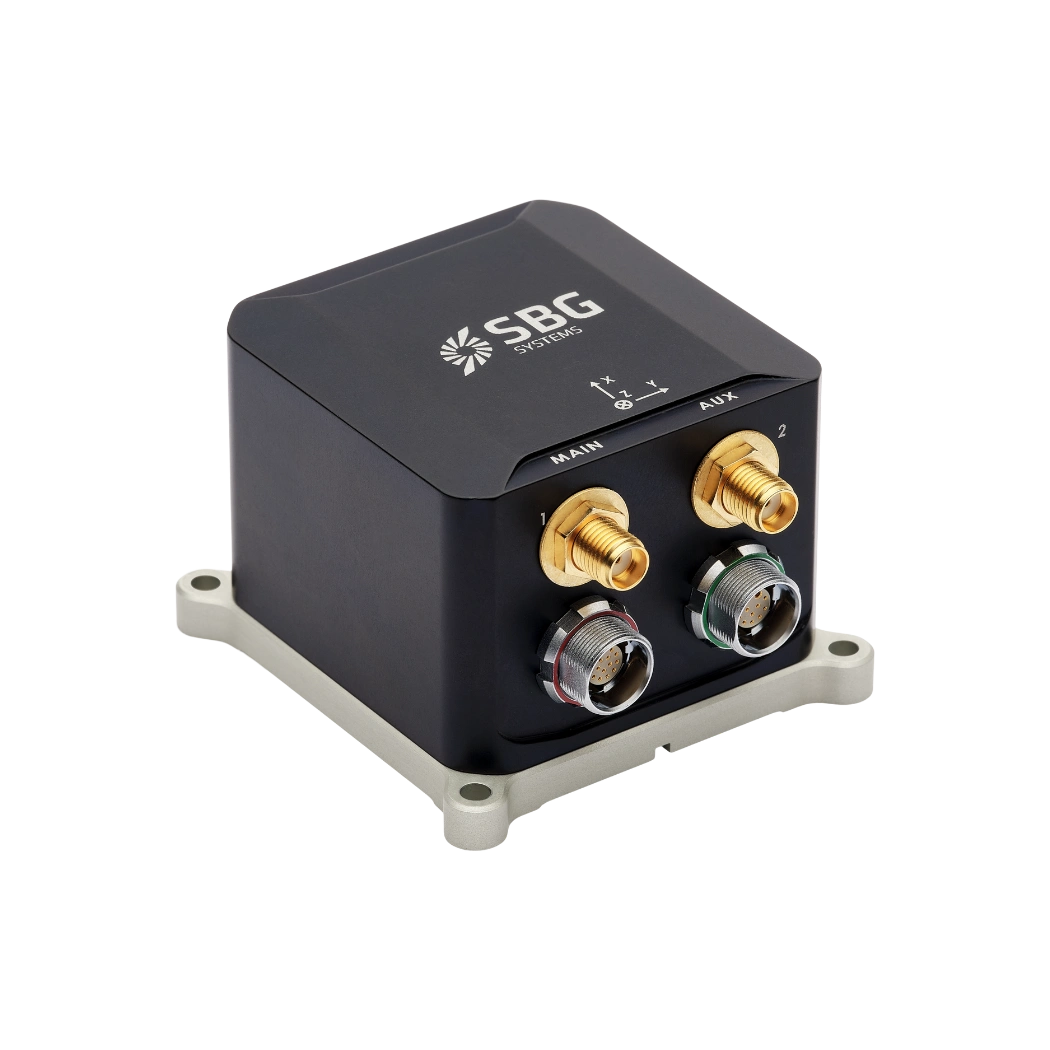
Modern autonomous haulage solutions integrate GNSS, inertial measurement units (IMUs), LiDAR, cameras, radar, and onboard computing. For example, GNSS provides global positioning, while inertial navigation maintains continuous motion estimation when satellite signals degrade or become temporarily unavailable. As a result, sensor fusion combines these measurements to deliver robust position, velocity, and attitude estimates.
In addition, autonomous haulage operations depend on accurate localization and reliable vehicle control across complex mine environments. However, high-walled haul roads, dust, vibration, changing terrain, and GNSS-obstructed areas can challenge conventional positioning systems. Therefore, an inertial navigation system (INS) helps maintain navigation continuity during short GNSS outages (dead reckoning navigation) and supports stable trajectory control.
Large mining sites can deploy large autonomous haulage fleets through centralized fleet-management systems. Consequently, these systems coordinate autonomous haulage vehicles, optimize routes, monitor vehicle status, and manage interactions between trucks and other mining equipment.
In conclusion, autonomous haulage combines precise navigation, perception, and automated control to improve mining operations. In particular, these technologies help mining companies increase operational consistency, reduce exposure to hazardous environments, and improve fleet utilization.