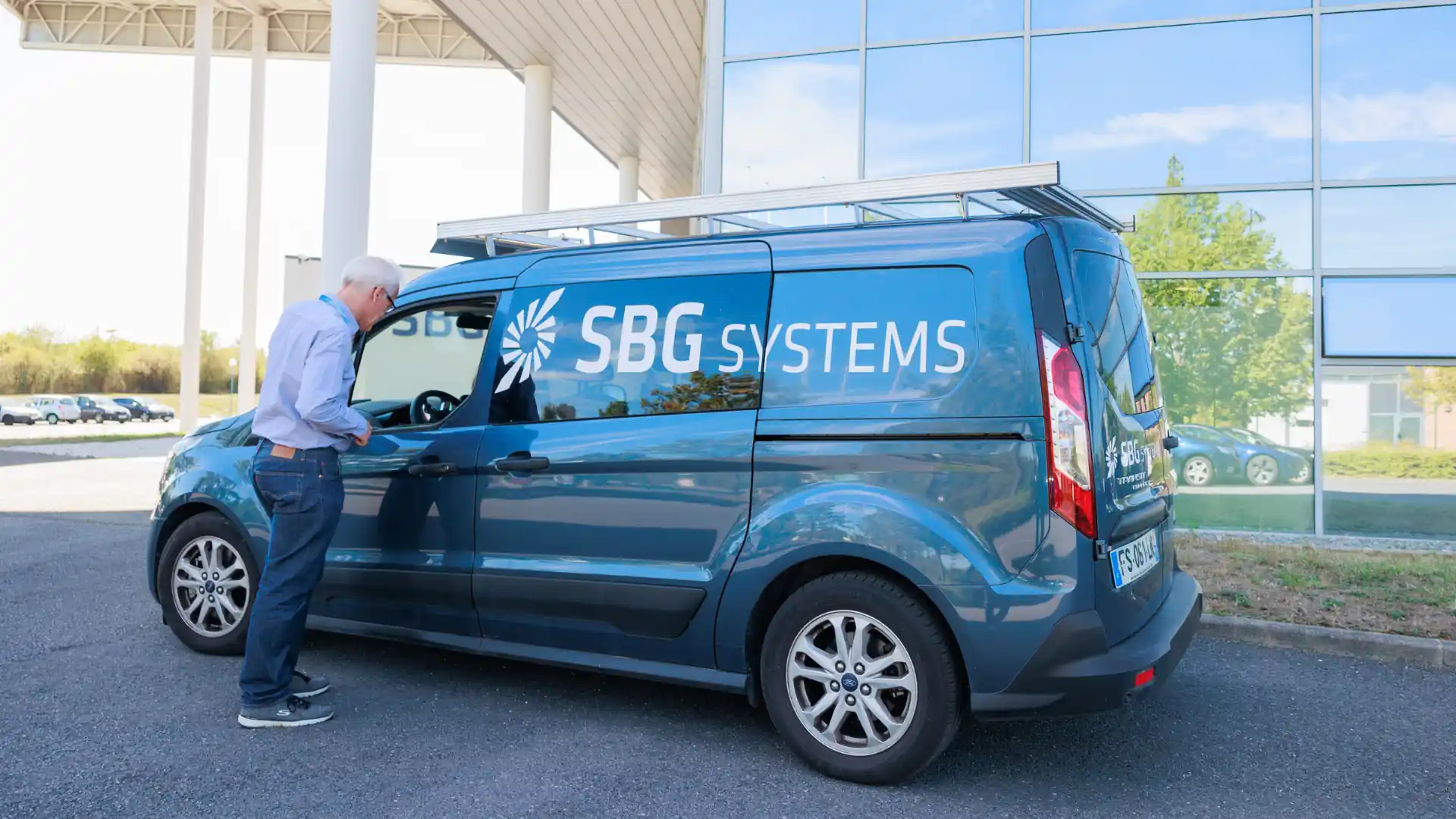
Performance in GNSS-denied conditions
When GNSS is available, navigation works perfectly. But when it isn’t, GNSS-only systems come to a halt. To maintain continuous operation, additional sensors — independent of GNSS and resilient to signal loss or interference — are essential. At SBG Systems, we design Inertial Navigation Systems (INS) that ensure reliable navigation even in GNSS-denied environments. When GNSS is lost, the inertial sensors seamlessly take over, maintaining position and orientation. Accuracy can be further enhanced by fusing additional aiding sensors such as a DVL for marine applications, air data for airborne platforms, or an odometer for land vehicles. All these measurements are combined through our advanced sensor fusion algorithm, minimizing navigation errors even without GNSS.
In this section, we share the results of our internal testing performed in fully GNSS-denied conditions across marine, land, and airborne applications. These transparent reports illustrate the performance of our three INS tiers: Ellipse series, Ekinox Micro / Quanta Micro and Apogee / Quanta Extra.
While these reports focus on scenarios involving complete GNSS loss, it’s important to note that SBG products also integrate advanced GNSS protection technologies designed to extend signal availability before a total outage occurs. These mechanisms are beyond the scope of those reports but are essential in prolonging GNSS availability and reducing the duration of full signal denial.
Explore the test reports below for detailed performance insights.

Static and dynamic motion tests
Our Ellipse AHRS has undergone extensive testing in real-world environments to assess its performance in Attitude and Heading Reference System (AHRS) mode, using only magnetometers and no GNSS.
We conducted a series of dynamic and static tests to demonstrate the reliability and accuracy of our AHRS solution (Ellipse-A) in a variety of environments. Some tests were conducted under challenging conditions, including high dynamic motion and magnetic disturbances, to push the system to its limits and evaluate its robustness and reliability in these environments.
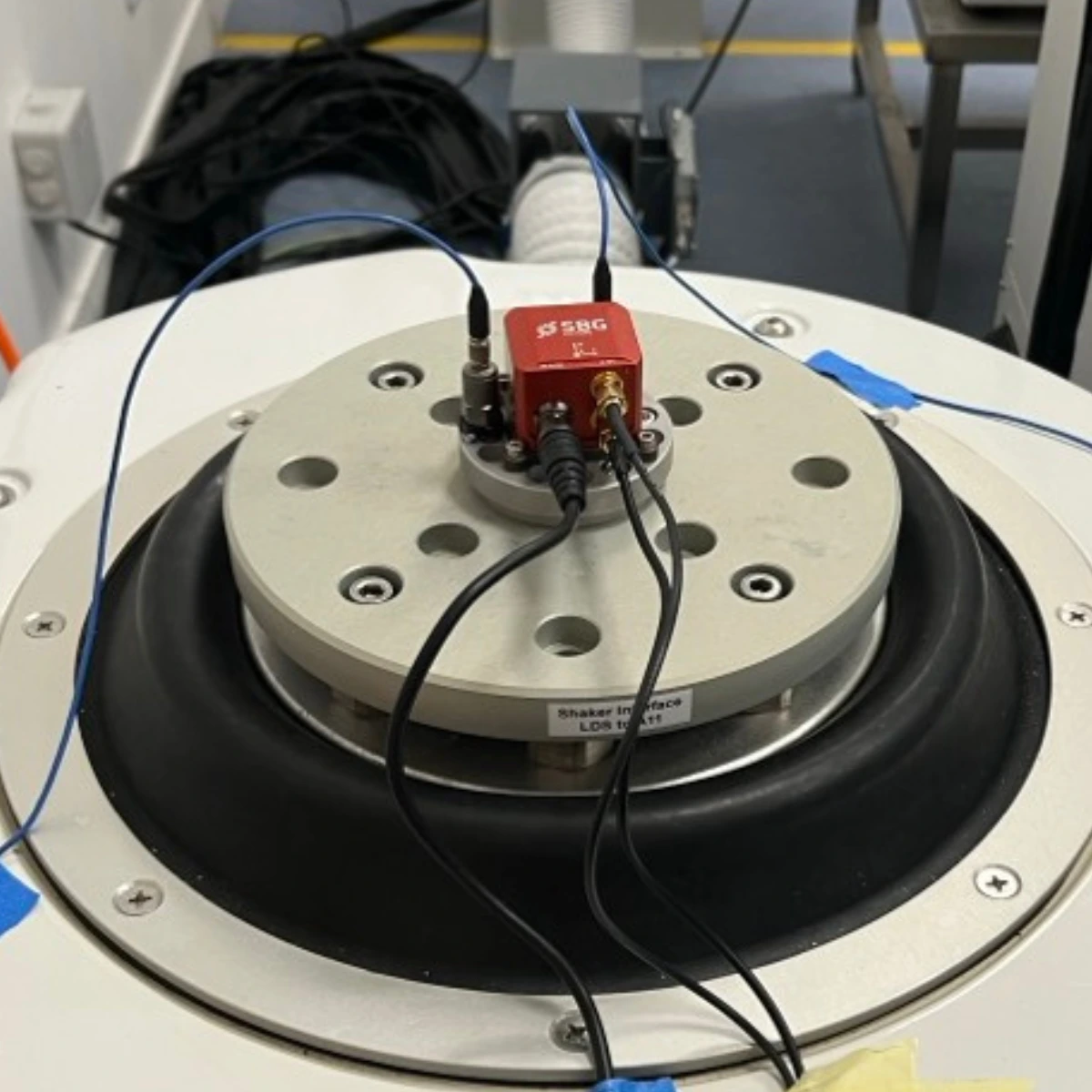
Vibrations tests
This report presents the results of vibration testing conducted on the Ellipse Series product line. The objective is to evaluate the performance and robustness of our sensors when subjected to a range of vibration profiles that simulate real-world operating conditions. These tests help verify the mechanical reliability and signal stability of the Ellipse Series under dynamic environments typically encountered in automotive, marine, aerial, and industrial applications.
The evaluation includes sinusoidal, random, and shock vibration tests following industry standards. Performance metrics such as sensor output consistency, signal integrity, and structural resilience were closely monitored. The findings demonstrate the durability and reliability of the Ellipse Series across varying vibration levels, confirming its suitability for demanding mission-critical applications.
Bathymetric tests
Our products have been tested during a three-day lasting hydrographic survey in the Hamburg (Germany) port area. SBG Systems and MacArtney Germany equipped a survey vessel with a complete Multibeam Echosounder survey configuration and conducted various tests to show the performance of the SBG Inertial Systems in different challenging environments.
Read the full report
Airborne test reports
There’s a culture of innovation at SBG Systems, so when the idea was formulated for an intense flight to evaluate the performance of our Ellipse and Quanta Micro in real-life conditions, there wasn’t any hesitation.
Read the full report
Automotive test reports
Quanta Micro, Ekinox Micro and Ellipse have been extensively tested in various GNSS environments including open skies, medium urban areas, and urban canyons. The results consistently showed exceptional data quality. All the sensors exceeded their specified performance, even in challenging scenarios.