Discover our GNSS-denied ready solutions ↓
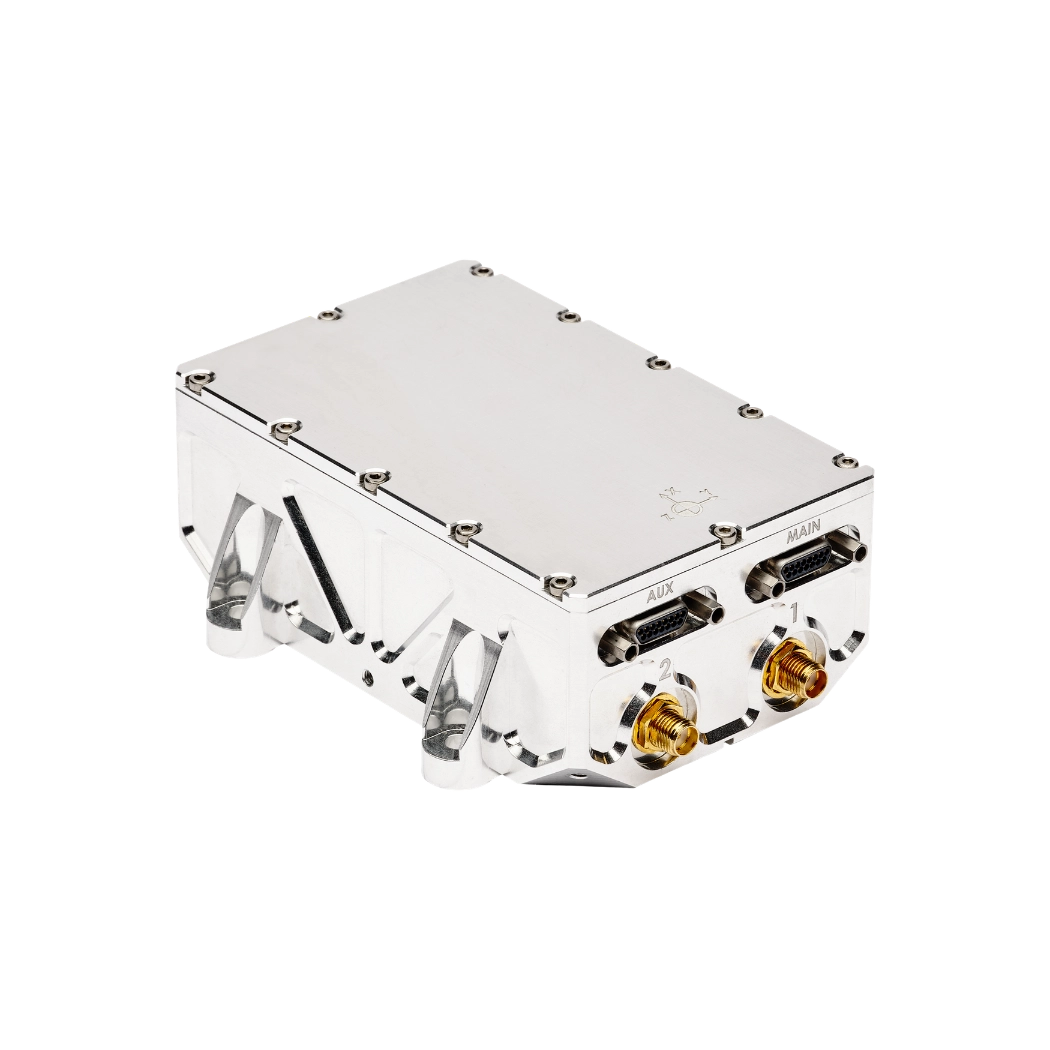
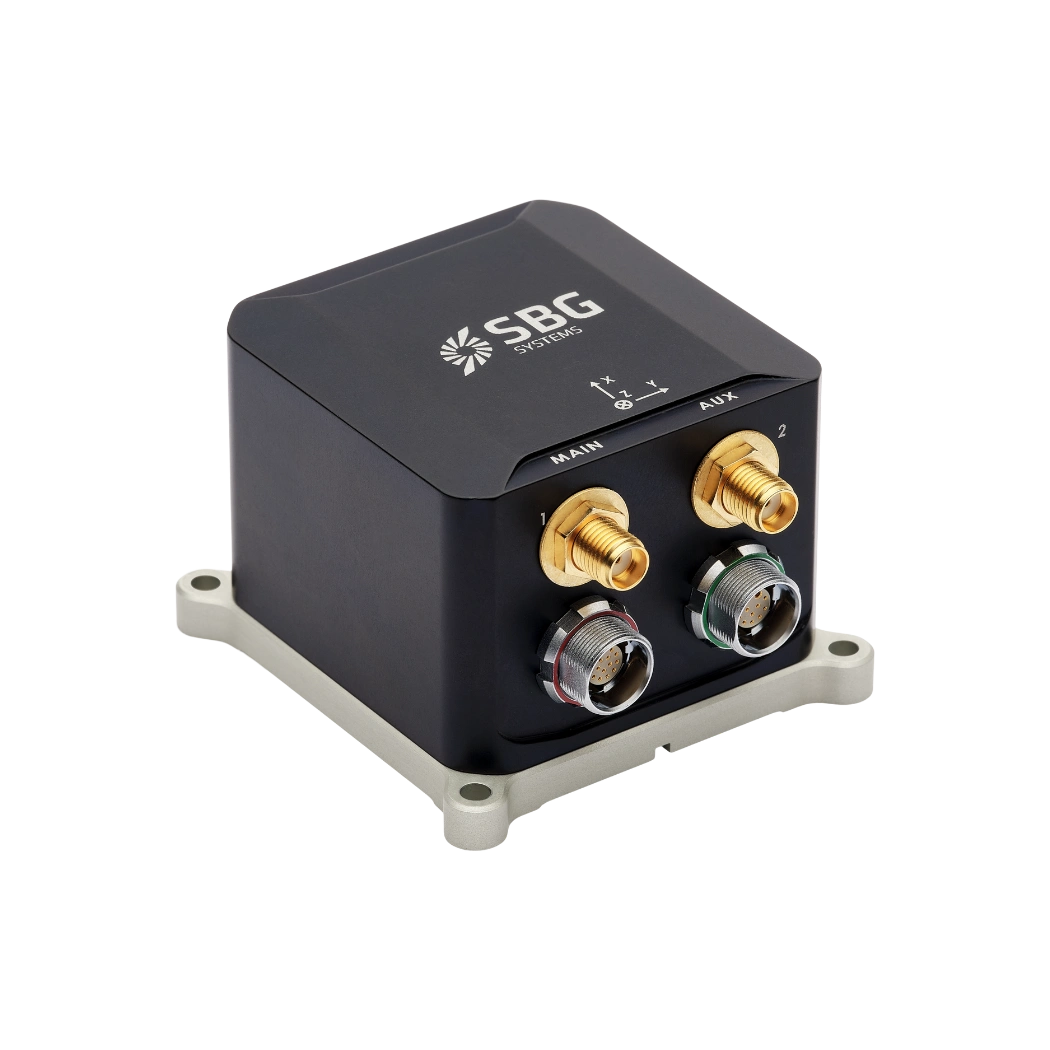

Dead reckoning navigation

Dead reckoning (DR) is a navigation technique used to determine one’s current position by using a previously known position and calculating the course based on speed, time, and direction traveled. It does not rely on external references like landmarks or GNSS but instead uses measurements from an initial position, making it particularly useful in situations where no visual or satellite navigation is possible.
How dead reckoning works ?
In the dead reckoning process, the navigator starts from a known position, identified on a map, from a previous fix, or based on another reliable reference point. They track direction using a compass, gyroscope, or other instruments to measure the bearing.
Maritime navigators record speed using a log, aviators rely on an airspeed indicator, and land navigators track it with a pace count. The navigator carefully tracks the time spent traveling to estimate the distance covered.
Finally, by applying direction, speed, and time, they compute the new position, making adjustments for any drift or variations along the way.
While dead reckoning is a reliable method for short distances, it tends to become less accurate over time due to errors that accumulate in direction, speed, and time estimates. To improve accuracy and provide periodic fixes, navigators often combine dead reckoning with other methods such as celestial navigation, landmarks, or GNSS.
Different uses for DR
Ships rely on dead reckoning when GPS/GNSS signals are unavailable, while aircraft use it as a backup navigation method.
Autonomous systems, including UAVs, UGVs, and AUVs, depend on DR to navigate in GNSS-denied environments.
In defense and military applications, submarines, missiles, and ground vehicles use DR for tactical navigation. However, because dead reckoning accumulates errors over time due to sensor drift, navigators often combine it with other methods like GPS or map-matching to enhance accuracy.