Ensuring safe operations
Our sensors are integrated with these autonomous vehicles, to continuously collect data about their position and orientation, allowing for real-time adjustments and strategic planning based on insights.
Autonomous systems can adapt to various terrains and environments, and their deployment can be scaled up based on operational needs.
Increasing efficiency
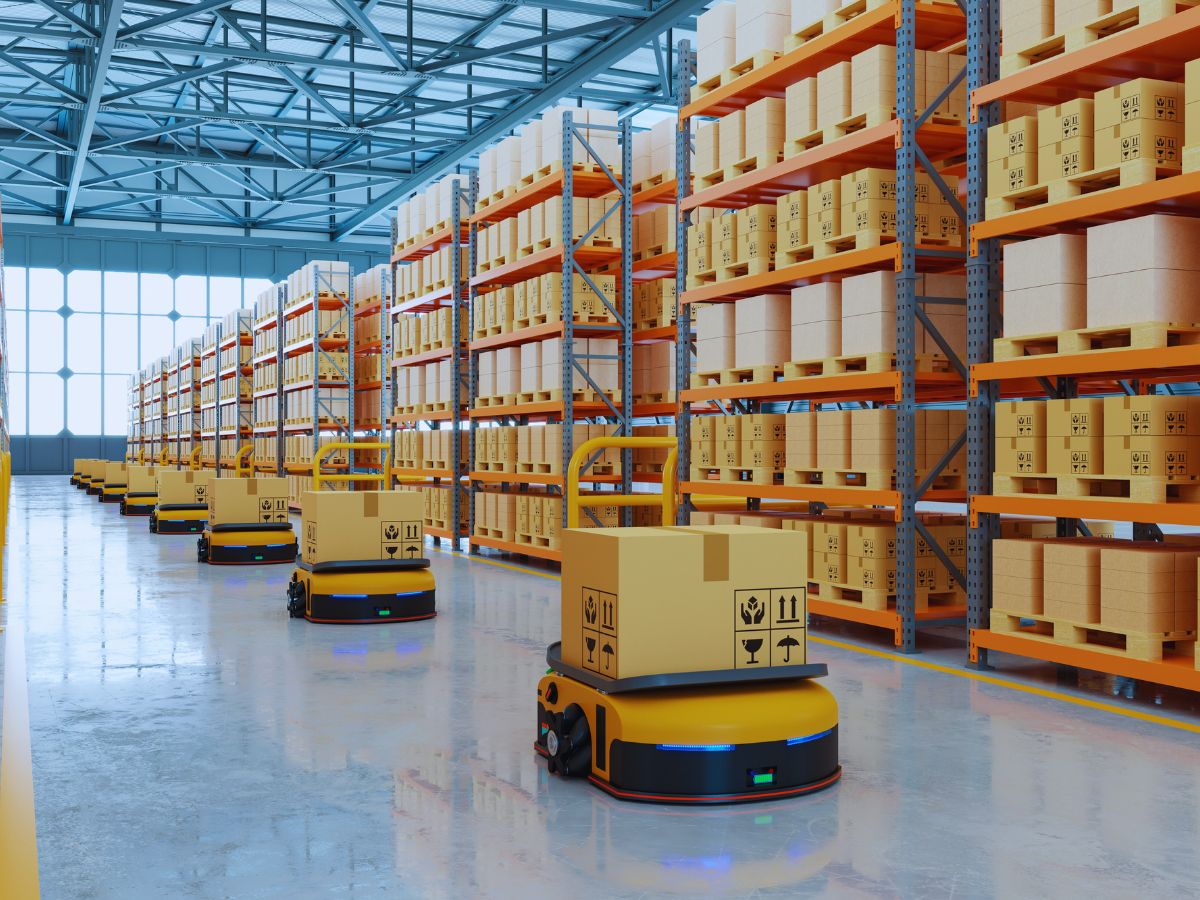
Industrial logistics’ autonomous systems operate continuously without fatigue, optimizing time and resources in material transport and other logistics operations. They reduce human involvement in dangerous environments, lowering accident rates and improving overall safety in industries like mining or construction.
Automated conveyor belts, sorters, and cranes move items between storage areas, loading docks, and production lines, improving the flow of goods and reducing manual labor. Automation speeds up processes, such as order picking, packing, and shipping, enabling businesses to handle larger volumes of goods with fewer delays.
Key benefits of these solutions include process optimization, increased efficiency, and greater safety for employees.
Delivering real-time positioning
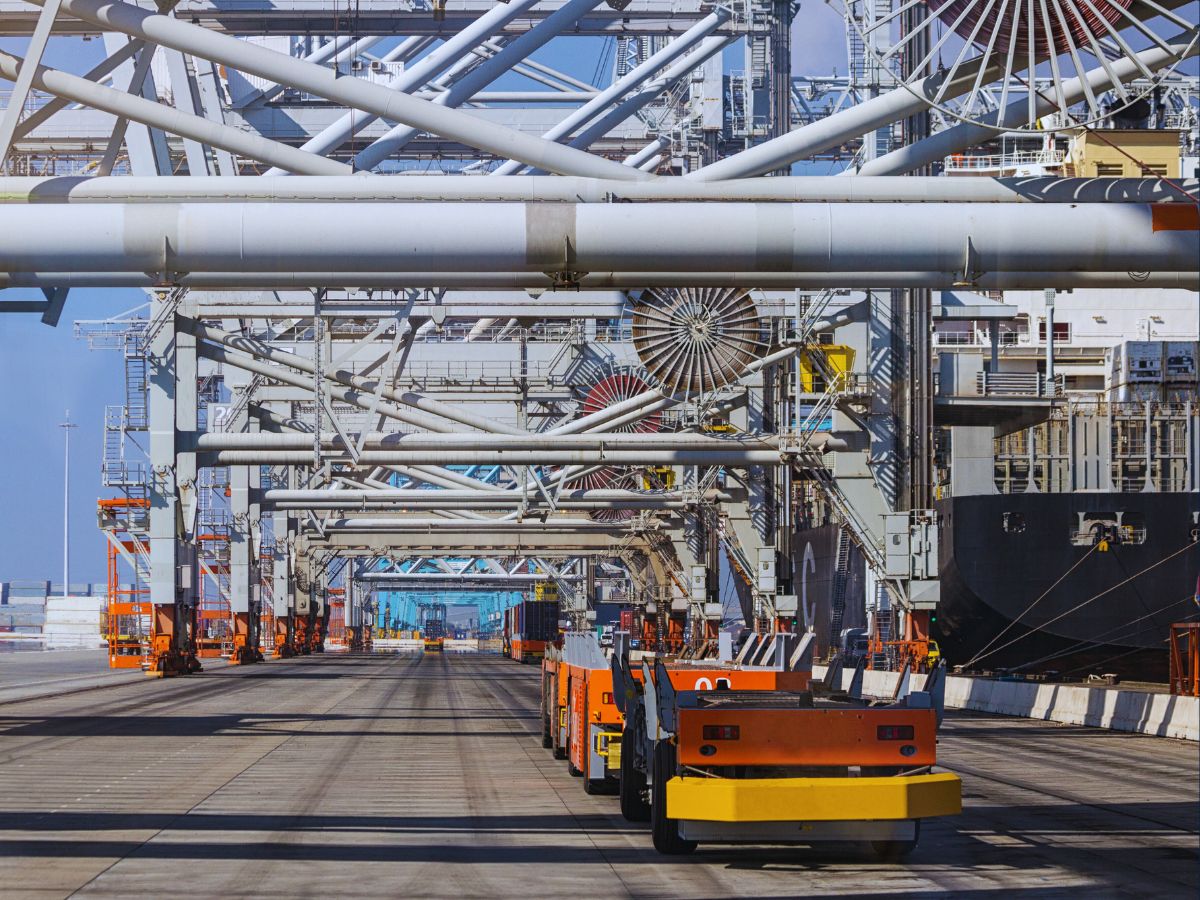
Our real-time positioning systems provide operators with location-relevant data and make logistics processes faster and smoother. Moreover, a locating system helps increase productivity across operations. In addition, it enables automated real-time decision-making and identifies hidden costs efficiently.
Furthermore, indoor positioning makes goods and employee locations visible within industrial and logistics environments.
Consequently, it allows analysis, coordination, and optimization of manufacturing and logistics processes.
Solutions for industrial logistics
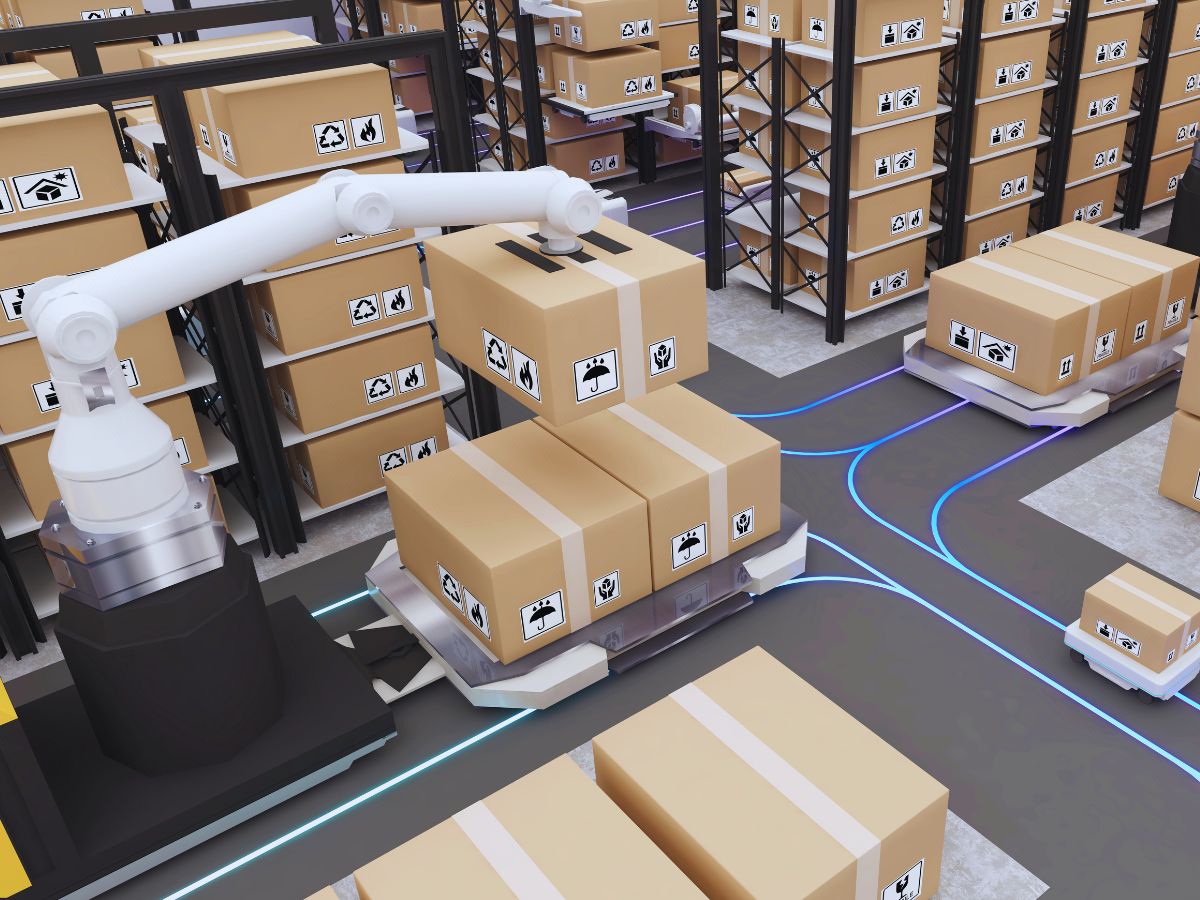
Discover how our sensors integrate seamlessly with industrial logistics platforms to deliver reliable performance, even in the most challenging conditions.
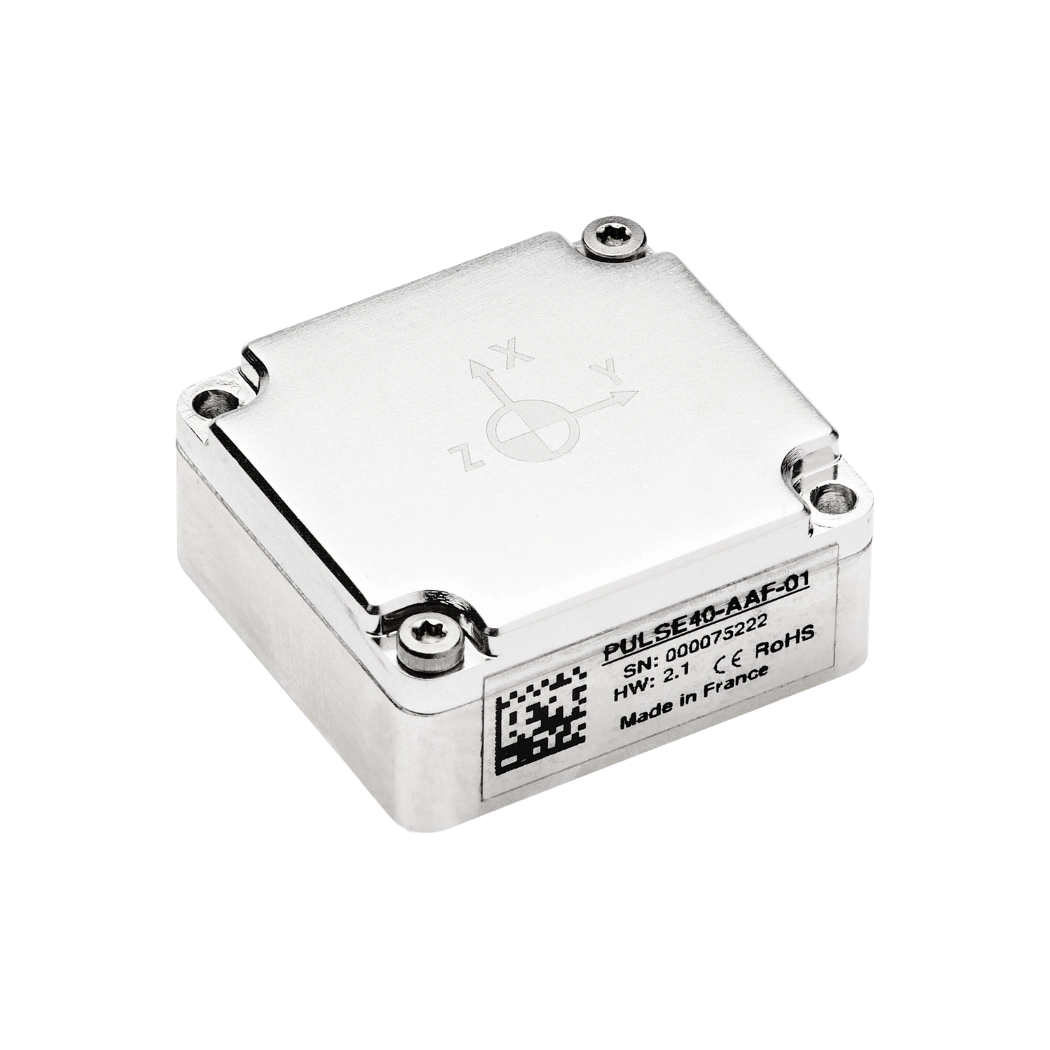
Pulse-40 OEM

Ellipse-D
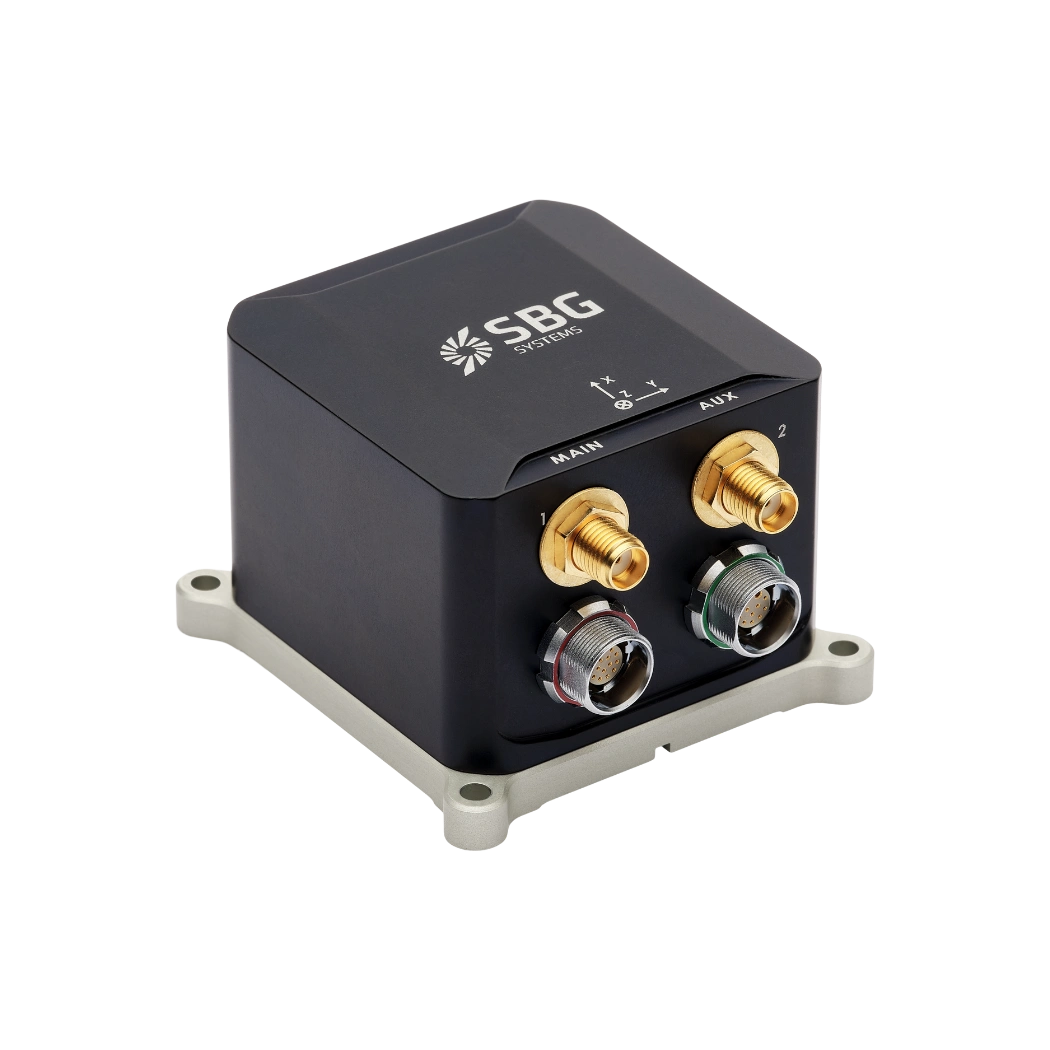
Ekinox Micro
Industrial applications brochure
Get our brochure delivered straight to your inbox!
Case studies
Discover our case studies related to your application.
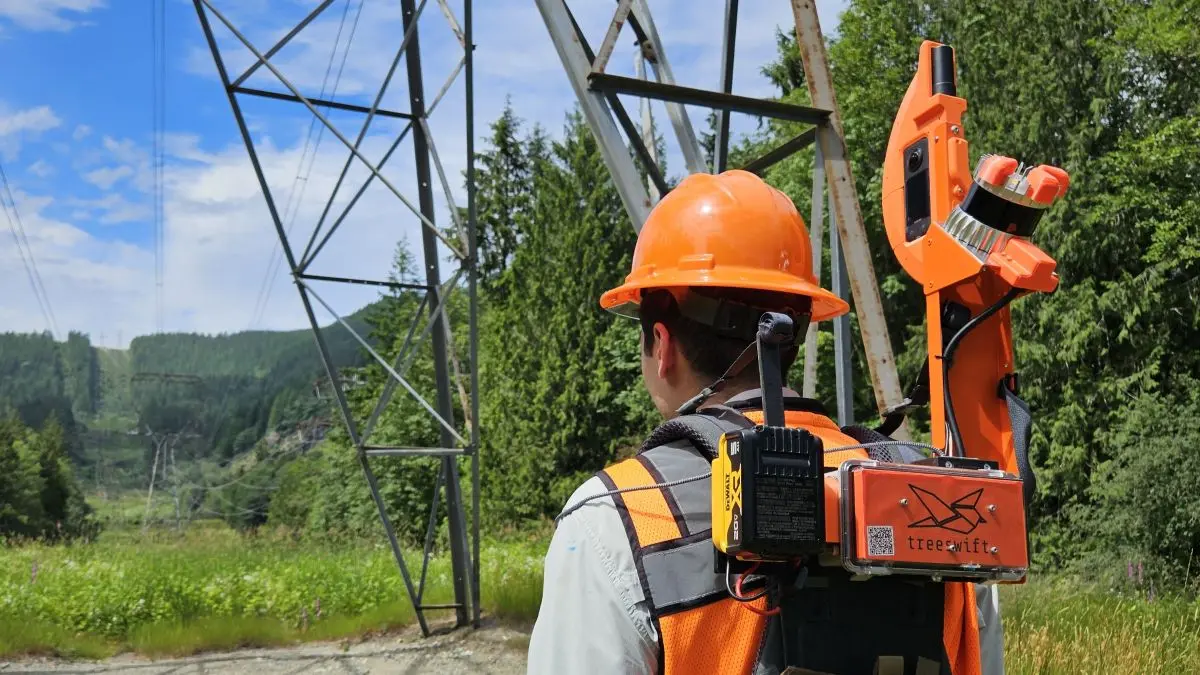
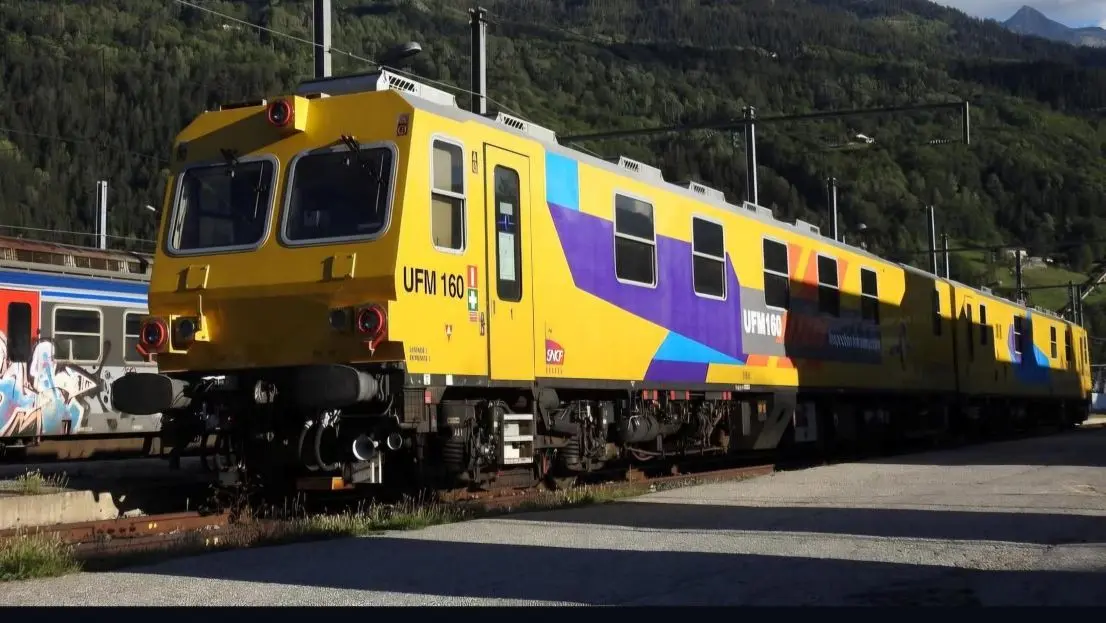
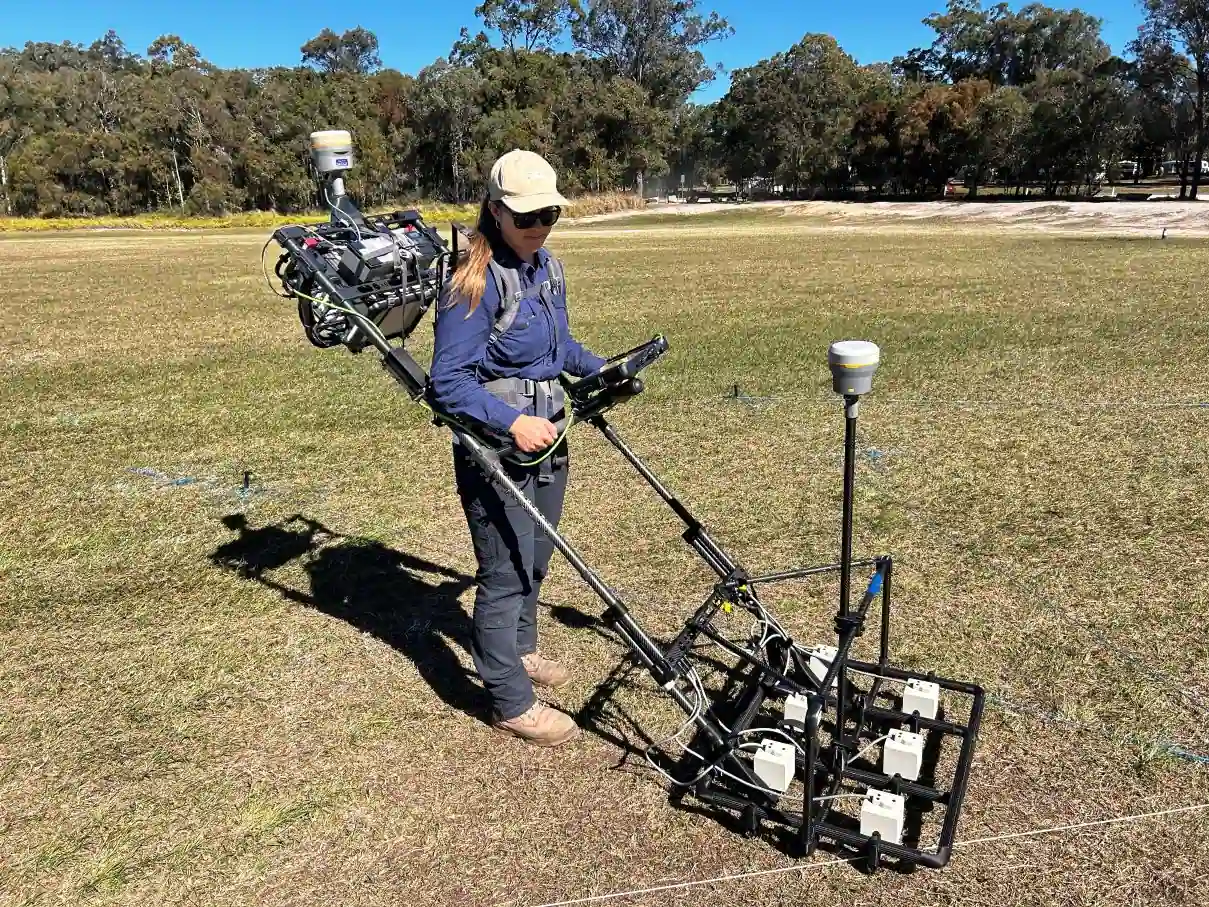
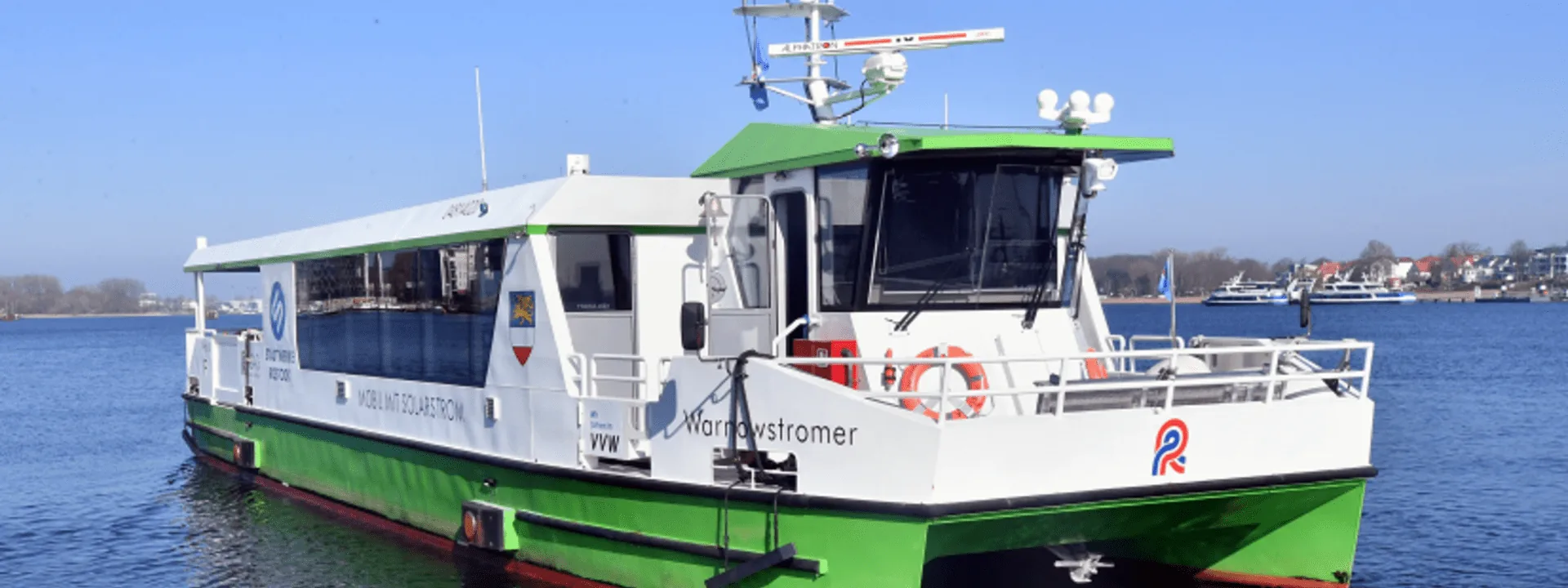
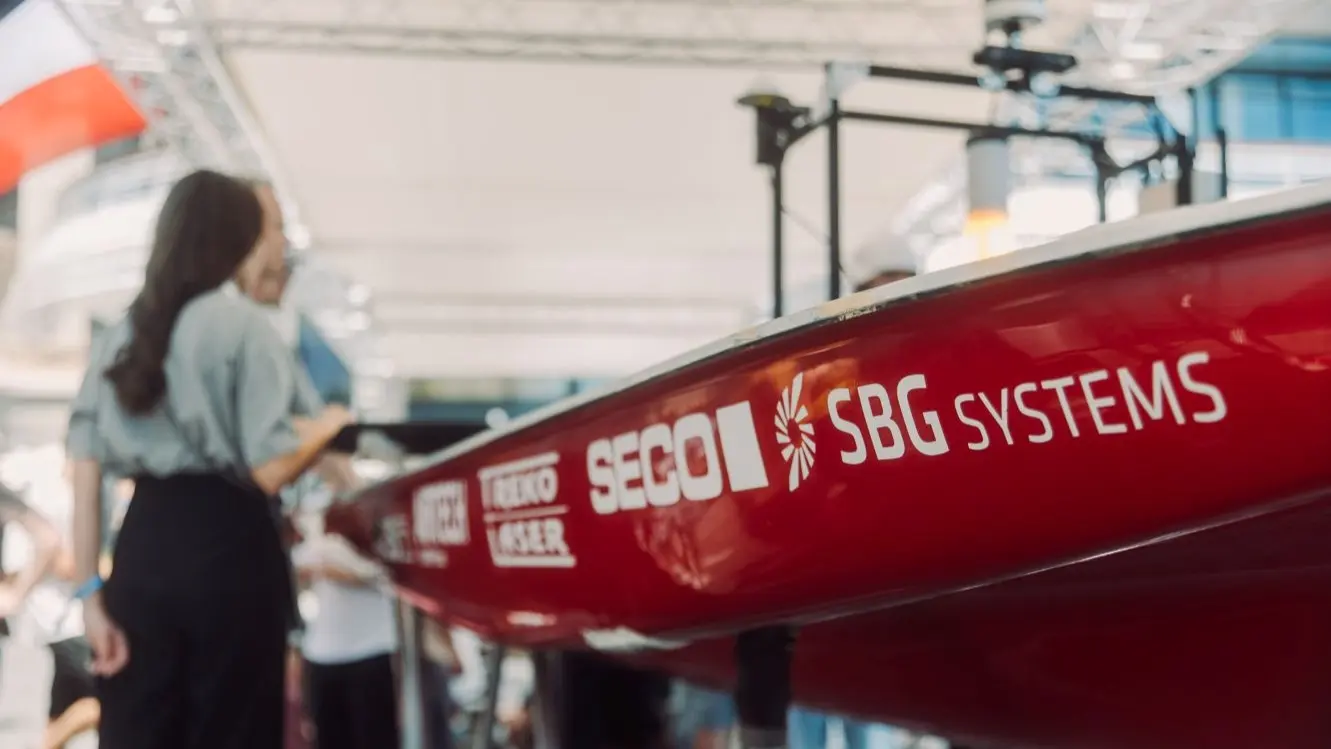
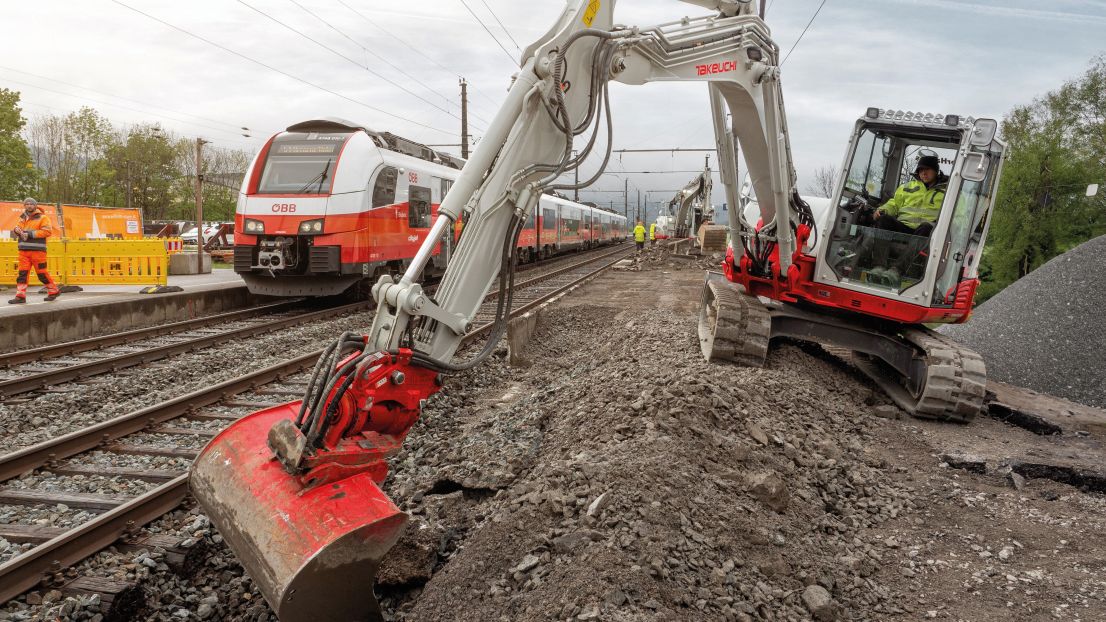
They talk about us
Hear first hand, from the innovators and clients who have adopted our technology.
Their testimonials and success stories illustrate the significant impact our sensors have in practical UAV navigation applications.


Explore more industrial applications
Discover how our advanced inertial navigation systems and motion sensors are transforming a wide range of autonomous vehicles applications. From land-based robots to underwater vehicles, our solutions enable precise, reliable performance in diverse and challenging environments. Explore how we support the evolution of autonomous technologies with our cutting-edge solutions.
Do you have questions?
What is an automated guided vehicle?
An automated guided vehicle, or AGV, is a type of mobile robot used in industrial applications to transport materials and products within a facility without human intervention.
AGVs are guided by various technologies such as magnetic strips, lasers, inertial sensors, or cameras that allow them to navigate predetermined paths and avoid obstacles.They are commonly used in industries like manufacturing, warehousing, and logistics to automate tasks like moving pallets, raw materials, or finished goods.
AGVs improve efficiency, reduce labor costs, and enhance safety by performing repetitive tasks autonomously. They play a key role in modern automated industrial systems.
What is inertial navigation system ?
An inertial navigation system (INS) is a self-contained navigation solution that determines the position, velocity, and orientation of a moving platform by continuously measuring its motion using inertial sensors. At its core, an INS relies on a triad of accelerometers to sense linear accelerations along three perpendicular axes and a triad of gyroscopes to measure angular rates around those same axes. By integrating these measurements over time, the system computes how the platform’s speed, attitude, and location evolve from a known starting point.
Because an INS does not depend on external signals such as GPS, radio beacons, or visual references, it can operate reliably in environments where external navigation aids are unavailable, denied, or degraded—such as underwater, indoors, underground, or in military GNSS-jamming scenarios.
Modern INS typically incorporate sophisticated filtering algorithms, most commonly a Kalman filter, to fuse raw sensor data, mitigate drift, and estimate the most accurate navigation state. In many applications, the INS is coupled with GNSS, odometers, Doppler velocity logs, or magnetometers to constrain long-term drift and deliver highly stable navigation. The result is a robust, high-update-rate navigation solution essential for aircraft, UAVs, missiles, autonomous vehicles, ships, AUVs, and a wide range of industrial systems that require precise, continuous awareness of motion and orientation.
Whats an IMU ?
An Inertial Measurement Unit (IMU) is a compact sensor module that measures the motion and orientation of a platform by capturing its linear accelerations and angular rotation rates. At its core, an IMU integrates three accelerometers and three gyroscopes arranged along orthogonal axes to provide six degrees of measurement.
Accelerometers sense how the platform accelerates in space, while gyroscopes track how it rotates. By processing these measurements together, an IMU delivers precise information about changes in velocity, attitude, and heading without relying on any external signals. This makes IMUs essential for navigation in environments where GPS is unavailable, unreliable, or intentionally denied. Their performance depends heavily on sensor quality, calibration, and how well errors—such as biases, noise, scale factors, and misalignments—are controlled.
High-grade IMUs include advanced calibration, thermal compensation, vibration filtering, and bias stability mechanisms to ensure that errors do not accumulate rapidly over time. Because of these characteristics, IMUs are used across a wide range of applications—from UAVs, loitering munitions, and autonomous vehicles to AUVs, robotics, and industrial stabilization systems—providing robust, continuous awareness of motion and orientation even in the harshest operational conditions.