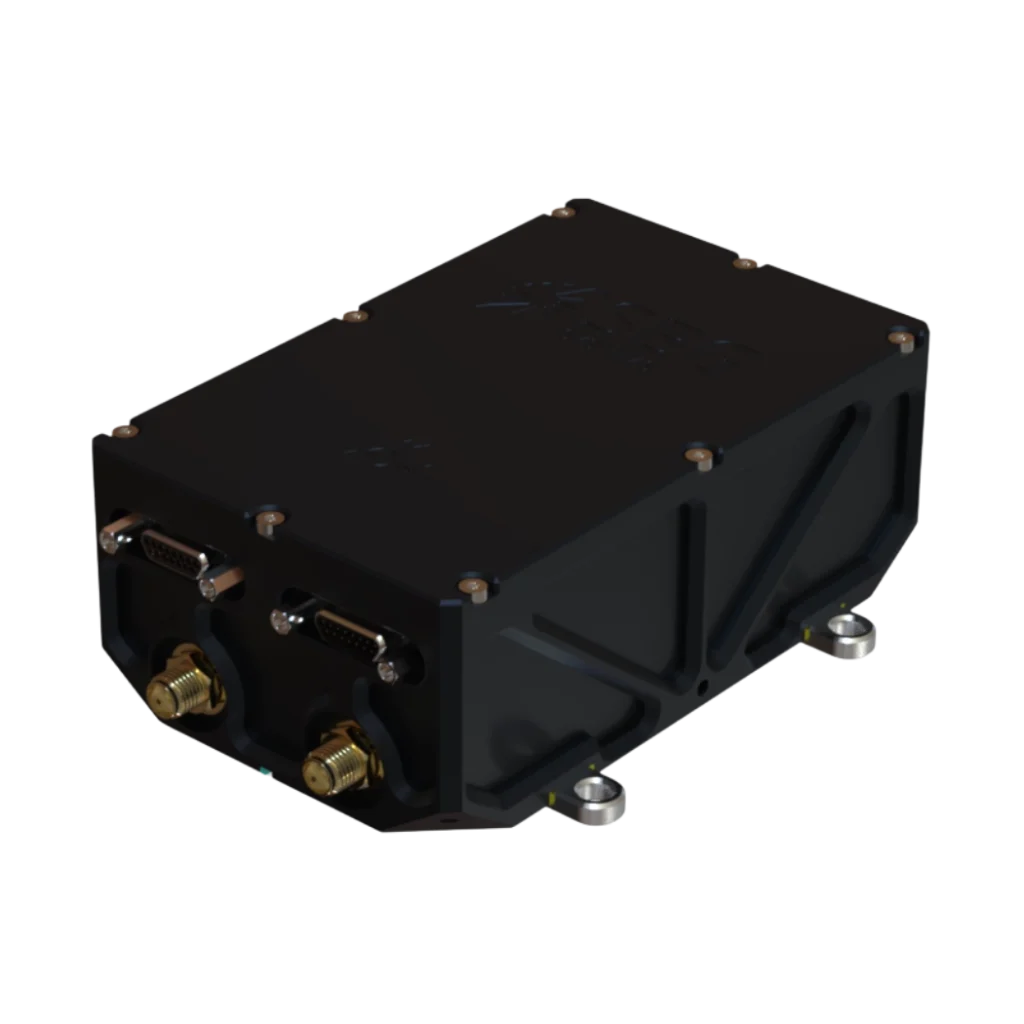
Stellar-40 Tactical-grade inertial navigation system
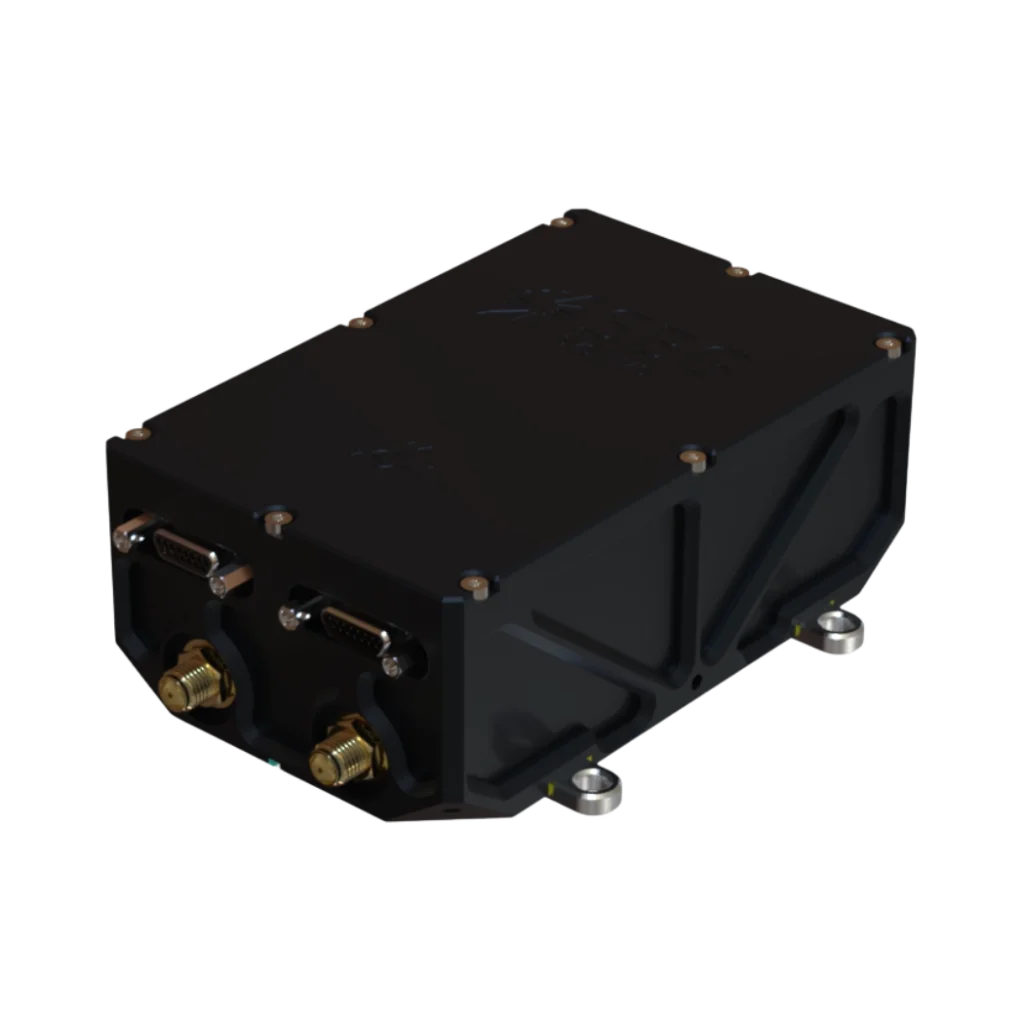
Stellar-40 is a tactical-grade GNSS-aided inertial navigation system driven by the SAF2Nav stack for unmatched resilience. It combines a tactical-grade IMU, a jamming- and spoofing-resilient GNSS receiver and advanced sensor-fusion algorithms within a rugged enclosure.
Merging high-end performance with industrial flexibility, Stellar-40 features a unique triple-layer vibration mitigation architecture in a design optimized for scalability, meeting the rigorous demands of mass production.
With this launch, SBG Systems further expands its portfolio of inertial navigation solutions tailored for mission-critical applications.
Stellar-40
Stellar-40 is the first of a new Stellar series launched to meet evolving operational requirements. This tactical-grade INS focuses on two main objectives: increasing resilience in harsh operational conditions and ensuring scalability, without compromising performance.
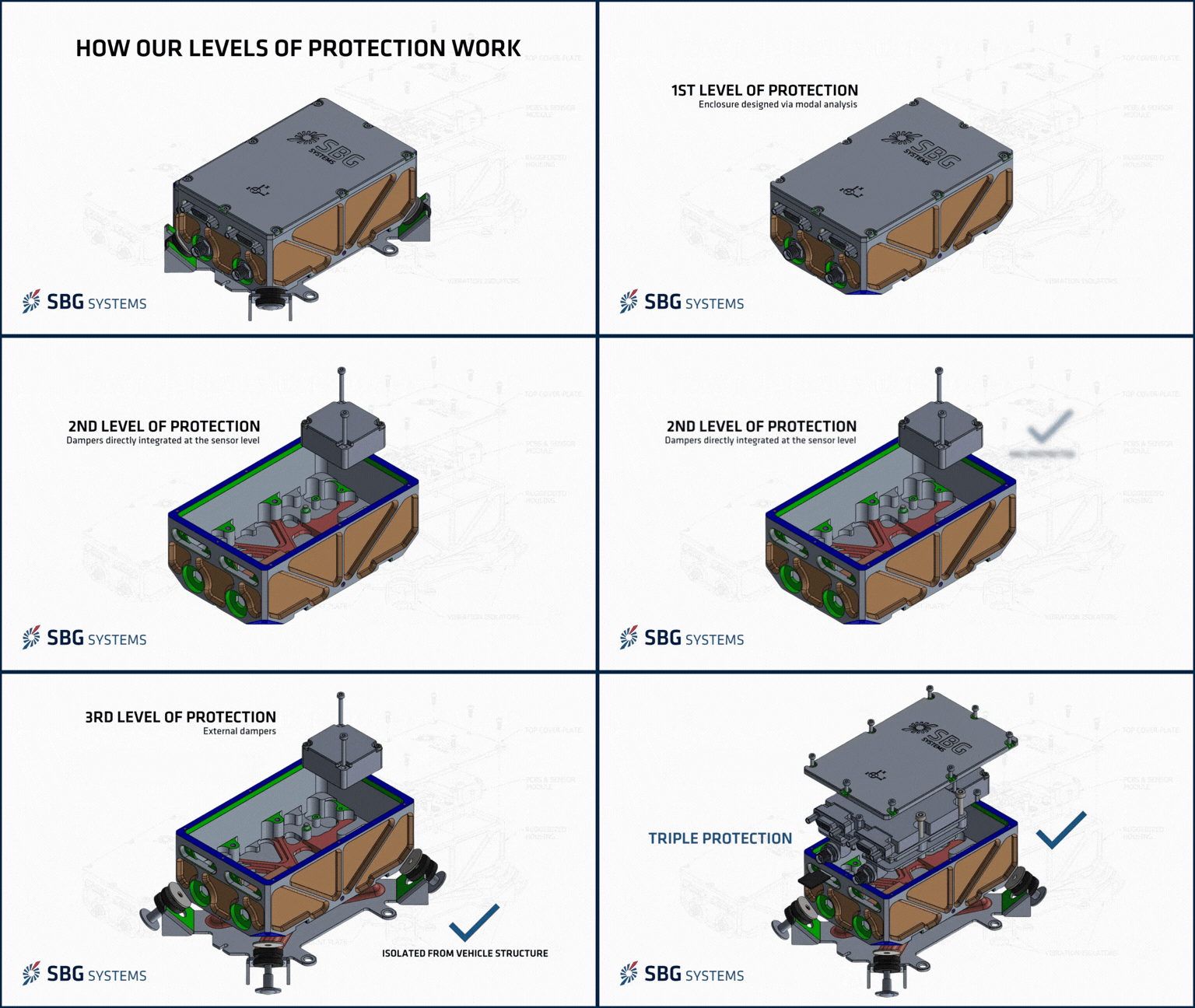
To address high-vibration challenges, SBG Systems has created a mechanical engineering masterpiece: a unique triple-layer vibration protection system. A complete modal analysis was performed to ensure the product is robust and reliable, while keeping the design remarkably simple.
Ready for dead reckoning navigation with the SAF2Nav engine at its core, Stellar-40 integrates seamlessly into your platform to deliver resilient navigation, even in the harshest GNSS-denied conditions.
Explore all features !




Stellar-40 at a glance
Rugged. Precise. Seamless.
Explore the key features below to learn more about Stellar-40.
Mechanical engineering masterpiece
Vibration is the enemy of precision, which is why our INS features a triple-level vibration mitigation system. Our unique mechanical design isolates the sensors through three distinct stages to ensure maximum accuracy. The first stage involves IMU-level damping, providing internal damping directly at the sensor level. The second stage utilizes an optimized housing design, featuring an enclosure developed via modal analysis to eliminate resonance and reduce vibrations induced by the enclosure itself. Finally, the third stage employs external isolation through external dampers to mechanically separate the unit from the vehicle structure.
Resilient navigation stack with SAF2Nav
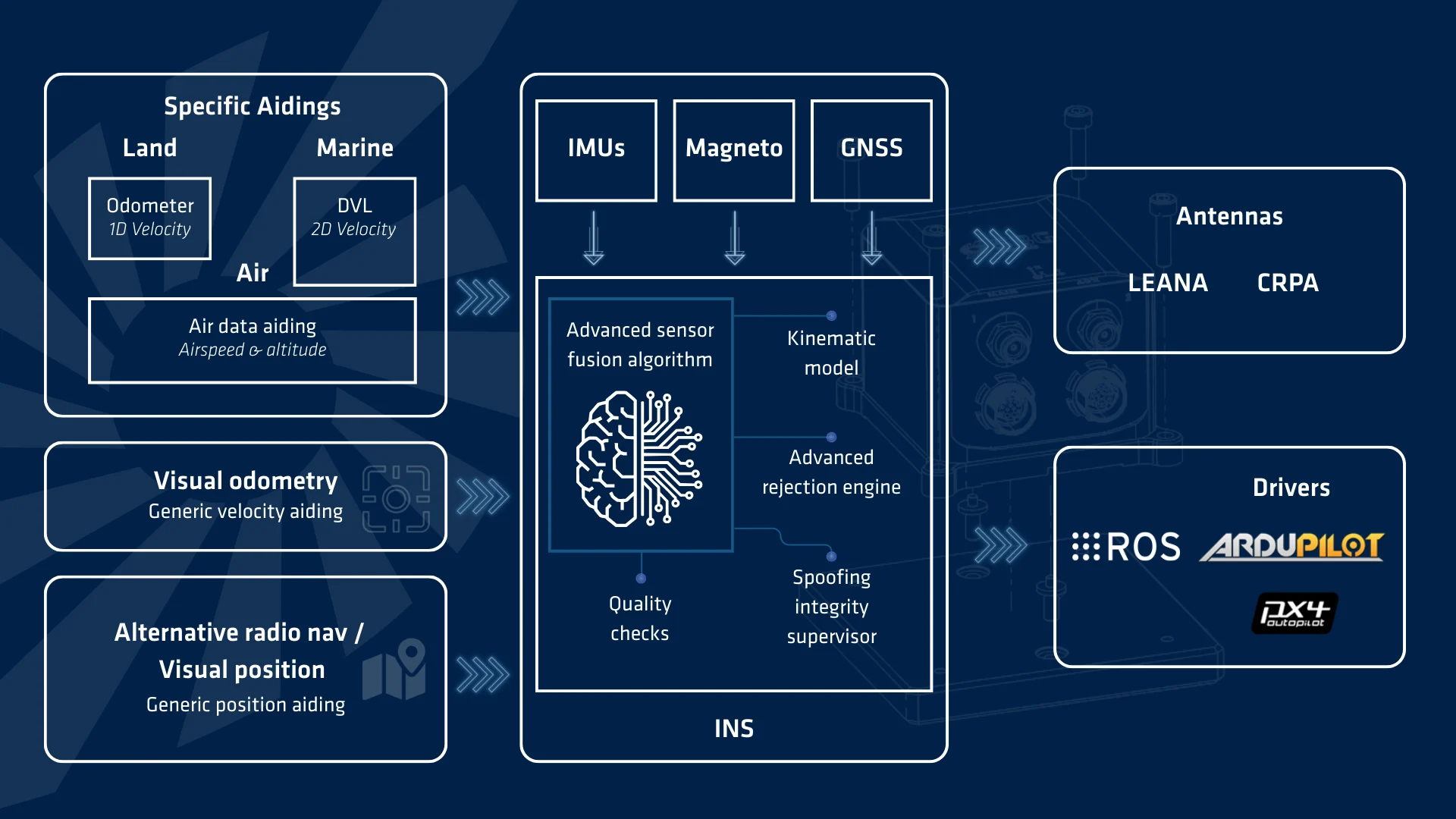
GNSS is no longer taken for granted. That is why our SAF2Nav stack lies at the heart of our INS, ensuring accuracy and security when GNSS fails or is attacked. It relies on three key pillars. First, multi-sensor fusion combines GNSS, IMU, air, radar, and vision data into a single coherent navigation solution. Second, a new spoofing integrity supervisor monitors sensors to detect anomalies instantly, drastically reducing critical time-to-alert. Finally, adaptive kinematic models maximize navigation accuracy, allowing the fusion algorithm to seamlessly match the specific motion dynamics of your platform.
Built-in vibrations monitoring tool
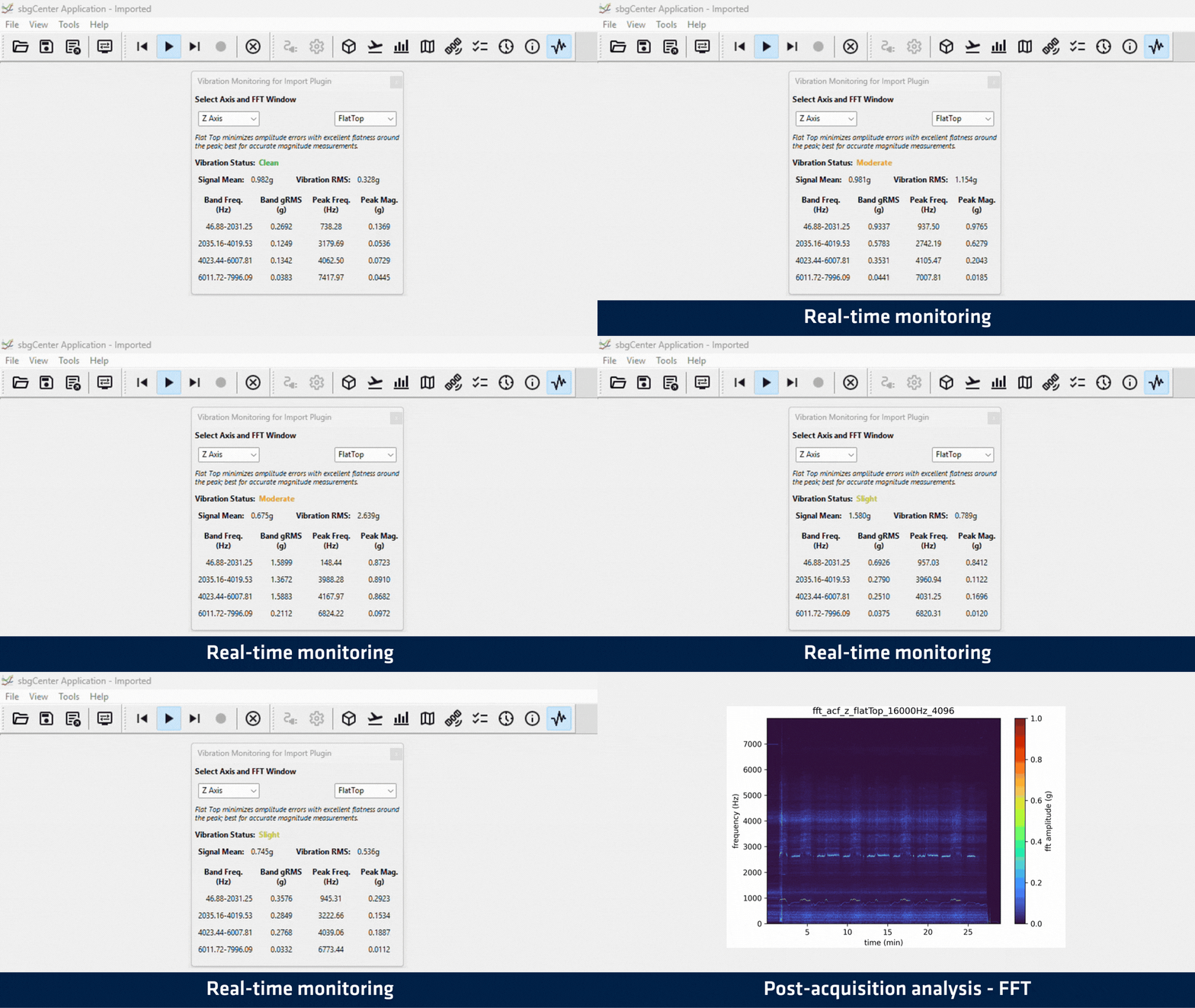
Monitoring vibrations to understand and mitigate structural resonances is rarely straightforward and often requires dedicated external hardware. That is why we integrated comprehensive monitoring tools directly into the Stellar-40 INS. The system features a dedicated high-bandwidth accelerometer operating up to 16 kHz paired with advanced onboard processing capabilities. It provides real-time visualization of RMS, peak magnitude, and peak frequency across four distinct frequency bands, allowing users to pinpoint exactly where critical vibrations occur. Furthermore, this valuable data is seamlessly recorded and reused for subsequent in-depth FFT analysis.
Ecosystem compatibility
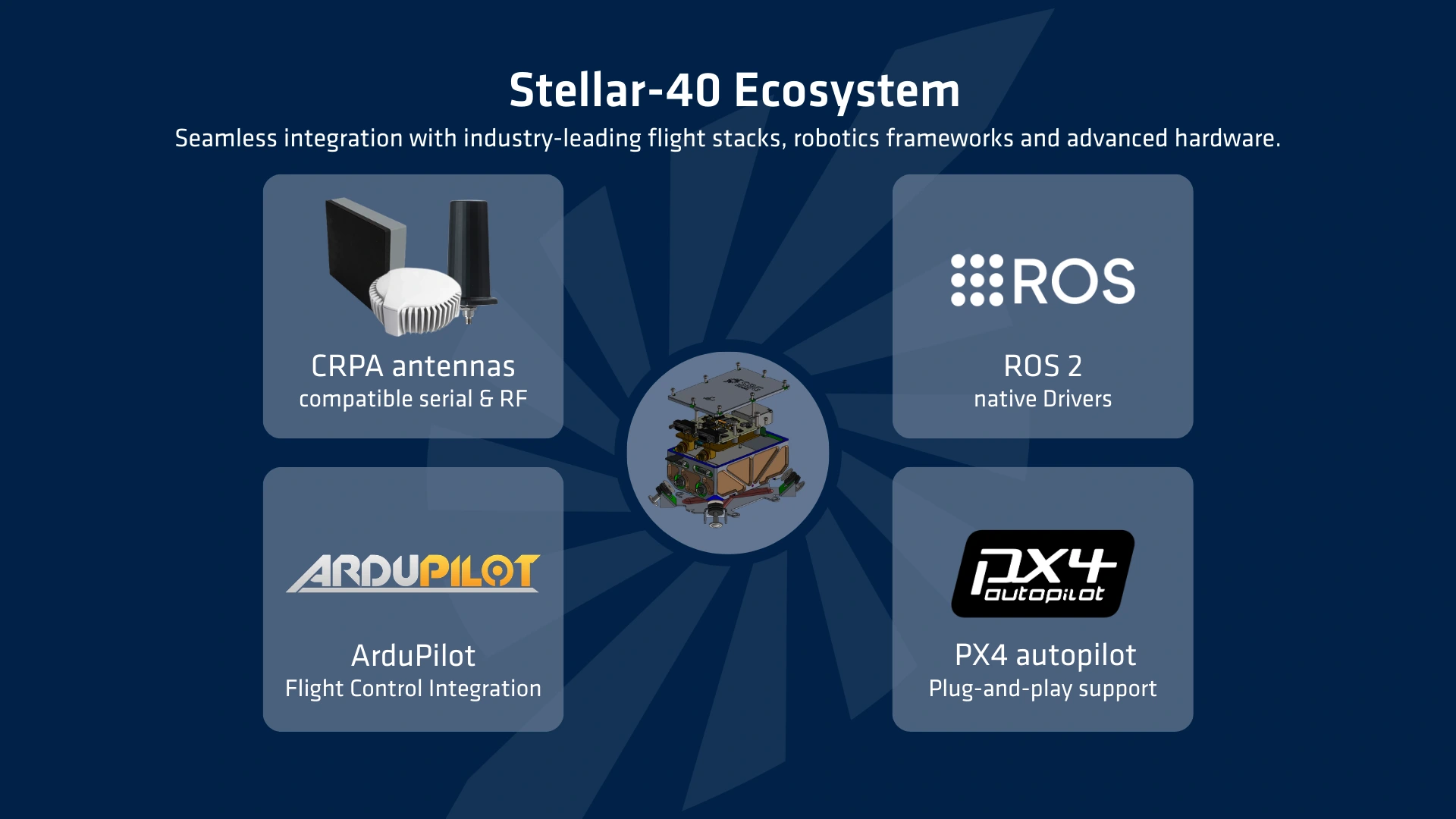
A powerful navigation system is only as good as its ability to integrate seamlessly into your architecture. That is why ecosystem compatibility is a foundational pillar of our INS, engineered to accelerate deployment and eliminate integration overhead. First, the system is fully equipped with ready-to-use drivers offering native support for industry-standard autonomous platforms, including ROS2, ArduPilot, and PX4. Second, to guarantee maximum resilience in contested environments, it provides direct plug-and-play compatibility with advanced CRPA antennas. This deep interoperability ensures effortless deployment across all your critical platforms.
Specifications
Motion & navigation performance
Down to 0.3 % of distance travelled ** *** Single point horizontal position
1.2 m Single point vertical position
1.2 m RTK horizontal position
0.01 m + 1 ppm RTK vertical position
0.01 m + 1 ppm PPK horizontal position
0.01 m + 1 ppm * PPK vertical position
0.01 m + 1 ppm * Single point roll/pitch
0.03 ° RTK roll/pitch
0.015 ° PPK roll/pitch
0.015 ° * Single point heading
0.08 ° RTK heading
0.05 ° PPK heading
0.035 ° * Velocity
0.05 m/s
Navigation features
Single and dual GNSS antenna Aidings sensors
Airdata, DVL, odometer, generic position aiding, generic velocity aiding Jamming & spoofing resilience
Advanced Real time heave accuracy
5 cm or 5 % of swell Real time heave wave period
0 to 20 s Real time heave mode
Automatic adjustment
Motion profiles
Surface vessels, underwater vehicles, marine survey, marine & harsh marine Air
Plane, helicopters, aircraft, UAV Land
Car, automotive, train/railway, truck, two wheelers, heavy machinery, pedestrian, backpack, off road
GNSS performance
Dual antenna, 789 channels GNSS range
500 m/s and 80 km altitude Frequency band
Multi-frequency GNSS features
SBAS, RTK, PPK, RAW GPS signals
L1C/A, L1C, L2C, L2PY, L5 Galileo signals
E1, E5a, E5b, E6BC Glonass signals
L1C/A, L2C/A, L2P, L3OC Beidou signals
B1I, B1C, B2a, B2I, B3I, B2b Others signals
NaviC L5, L-Band, QZSS GNSS time to first fix
< 35 s Jamming & spoofing
Automatic anti-jamming & anti-spoofing, OSNMA, advanced automatic multi-sensor rejection
Environmental specifications & operating range
IP-65 Operating temperature
-40 °C to 71 °C Vibrations
3 g RMS – 20Hz to 2kHz Shocks
500 g for 0.3 ms MTBF (computed)
246 000 hours Compliant with
MIL-STD 461G | MIL-STD 1275E | MIL-STD 810H
Interfaces
GNSS, RTCM, NTRIP, Airdata, Odometer, Generic Velocity and Position Output protocols
NMEA, ASCII, sbgECom (binary), REST API Input protocols
NMEA, ASCII, sbgECom (binary), REST API Datalogger
8 GB or 48 h @ 200 Hz Output rate
200 Hz (IMU, INS) Serial ports
4x serial I/O up to 921,600 bps CAN
1x CAN 2.0 A/B bus, up to 1 Mbps Sync OUT
2x Sync out (1x RS232 + 1x TTL levels) Sync IN
4x Sync Inputs (RS232 levels) Ethernet
1x Ethernet Full duplex (10/100 base T) PTP / NTP, NTRIP, Web interface, FTP Connectors
2x Micro-D 15 (I/O) 2x SMA connectors (antennas)
Mechanical & electrical specifications
9 to 36 VDC Power consumption
< 7 W (TBC) with 2 survey grade antennas, < 6 W (TBC) without antennas Antenna power
5 V DC – max 150 mA | Gain: 17 – 50 dB Weight (g)
250 g Dimensions (LxWxH)
81 mm x 130 mm x 40 mm
Timing specifications
< 200 ns PTP accuracy
< 1 µs PPS accuracy
< 1 µs (jitter < 1 µs) Drift in dead reckoning
1 ppm
Applications
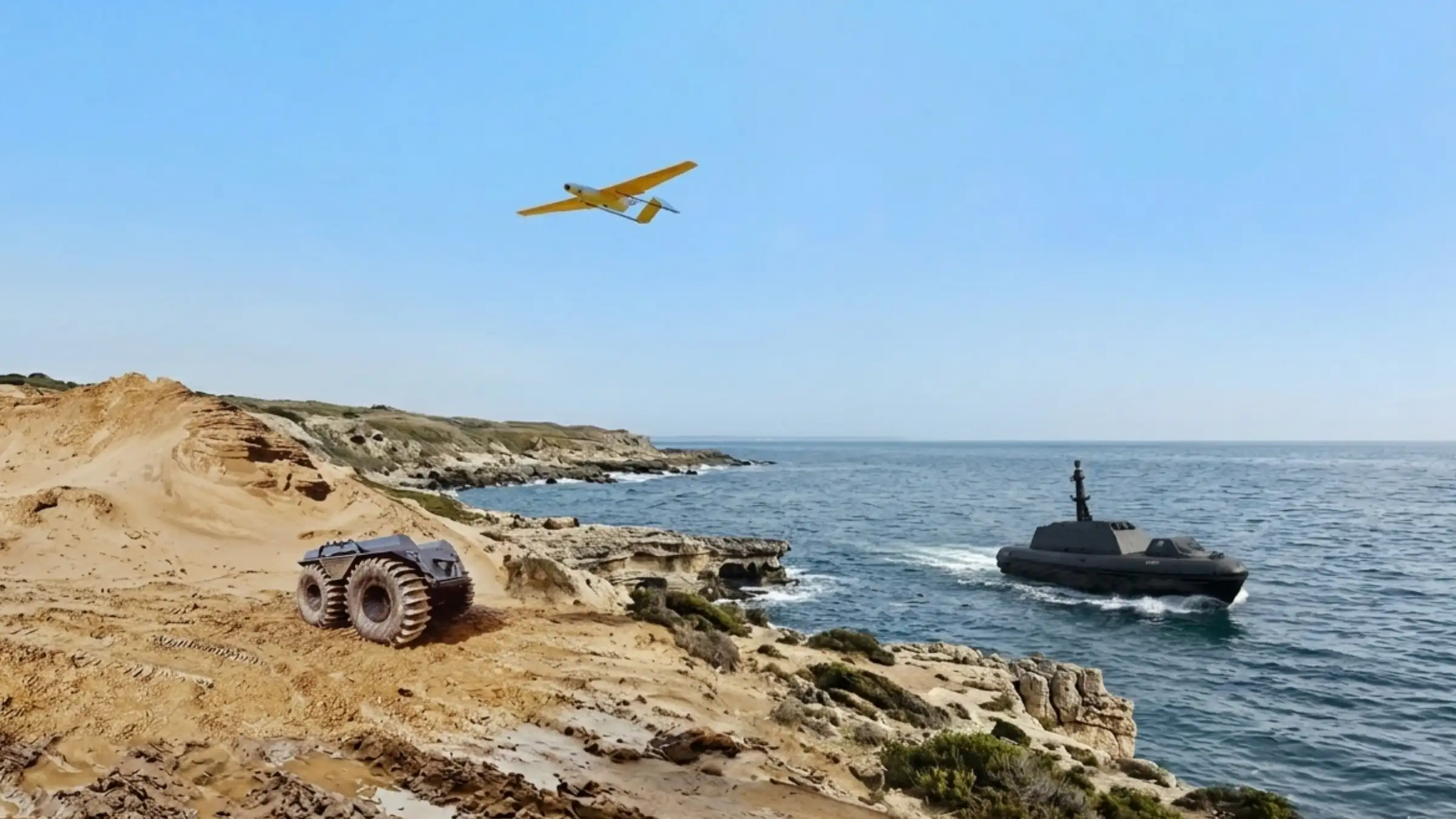
Stellar-40 is our next-generation MEMS inertial navigation system, designed to push performance boundaries across subsea, marine surface, land and air operations. Our Stellar-40 enables new alignment modes, new aiding strategies, and new applications, delivering ultimate navigation accuracy and robustness to your projects.
Achieve optimal navigation accuracy and dead reckoning capability across a range of applications.
Stellar-40 datasheet
Get all the product features and specifications delivered straight to your inbox!
Compare Stellar-40 with other products
Go ahead and compare our most advanced inertial range of sensors for navigation, motion, and heave sensing. Full specifications can be found in the Hardware Manual available upon request.
Stellar-40 |
||||
|---|---|---|---|---|
| Single point horizontal position | Single point horizontal position 1.2 m | Single point horizontal position 1.2 m | Single point horizontal position 1.0 m | Single point horizontal position 1.2 m |
| Spoofing and jamming resilience | Spoofing and jamming resilience All constellations, full band, advanced monitoring and mitigation | Spoofing and jamming resilience All constellations, dual band, monitoring and mitigation | Spoofing and jamming resilience All constellations, triple band, advanced monitoring and mitigation | Spoofing and jamming resilience All constellations, dual band, monitoring and mitigation |
| Vibrations resilience | Vibrations resilience Triple level | Vibrations resilience One level | Vibrations resilience One level | Vibrations resilience One level |
| Datalogger | Datalogger 8 GB or 48 h @ 200 Hz | Datalogger 8 GB or 48 h @ 200 Hz | Datalogger 8 GB or 48 h @ 200 Hz | Datalogger – |
| Ethernet | Ethernet Full duplex (10/100 base-T), PTP master clock, NTP, web interface, FTP, REST API | Ethernet Full duplex (10/100 base-T), PTP master clock, NTP, web interface, FTP, REST API | Ethernet Full duplex (10/100 base-T), PTP master clock, NTP, web interface, FTP, REST API | Ethernet – |
| Weight (g) | Weight (g) 250 g | Weight (g) 165 g | Weight (g) < 900 g | Weight (g) 65 g |
| Dimensions (LxWxH) | Dimensions (LxWxH) 81 x 130 x 40 mm | Dimensions (LxWxH) 42 x 57 x 60 mm | Dimensions (LxWxH) 130 x 100 x 75 mm | Dimensions (LxWxH) 46 x 45 x 32 mm |


Compatibility



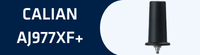
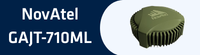
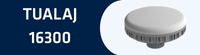
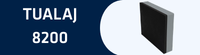
A compatible selection of anti-jamming and spoofing antennas
We have curated an optimal selection of anti-jamming and anti-spoofing antennas, fully tested and validated for compatibility. This range includes proven technologies such as CRPA (Controlled Reception Pattern Antenna) and LEANA (Low-Elevation Anti-Jam Navigation Antenna).
Explore our recommended solutions!

Documentation & resources
Stellar-40 comes with comprehensive online documentation, designed to support users at every step.
From installation guides to advanced configuration and troubleshooting, our clear and detailed manuals ensure smooth integration and operation.
Our case studies
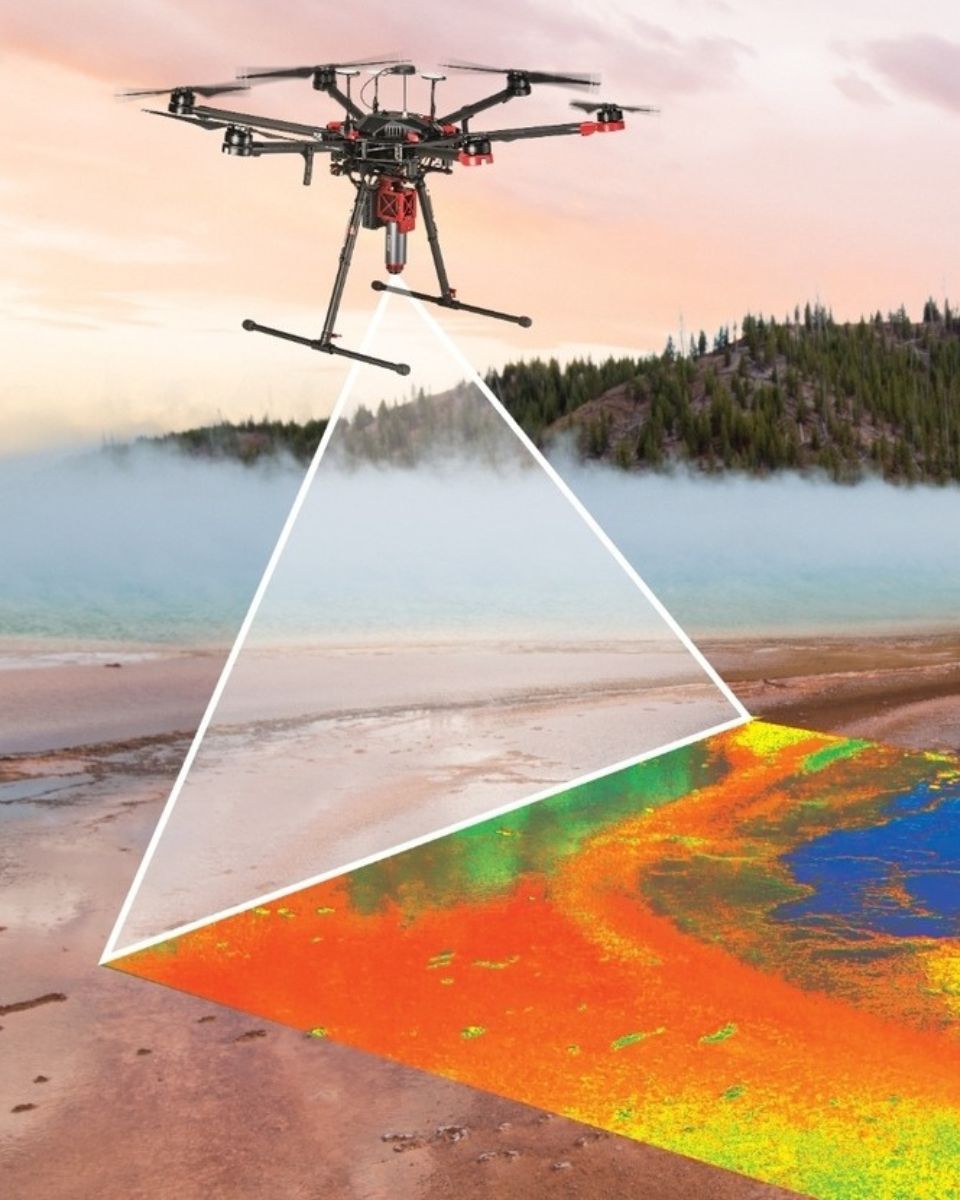
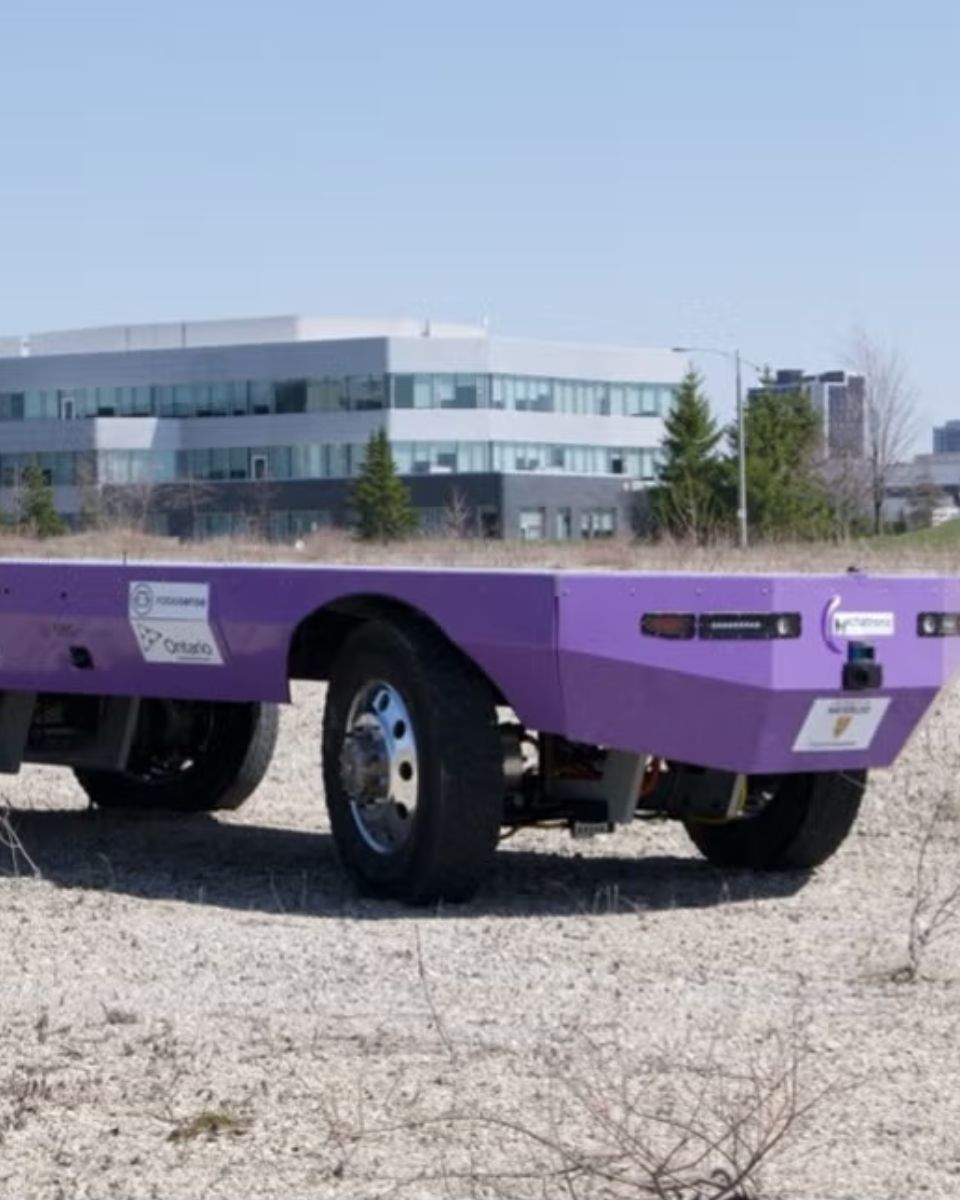
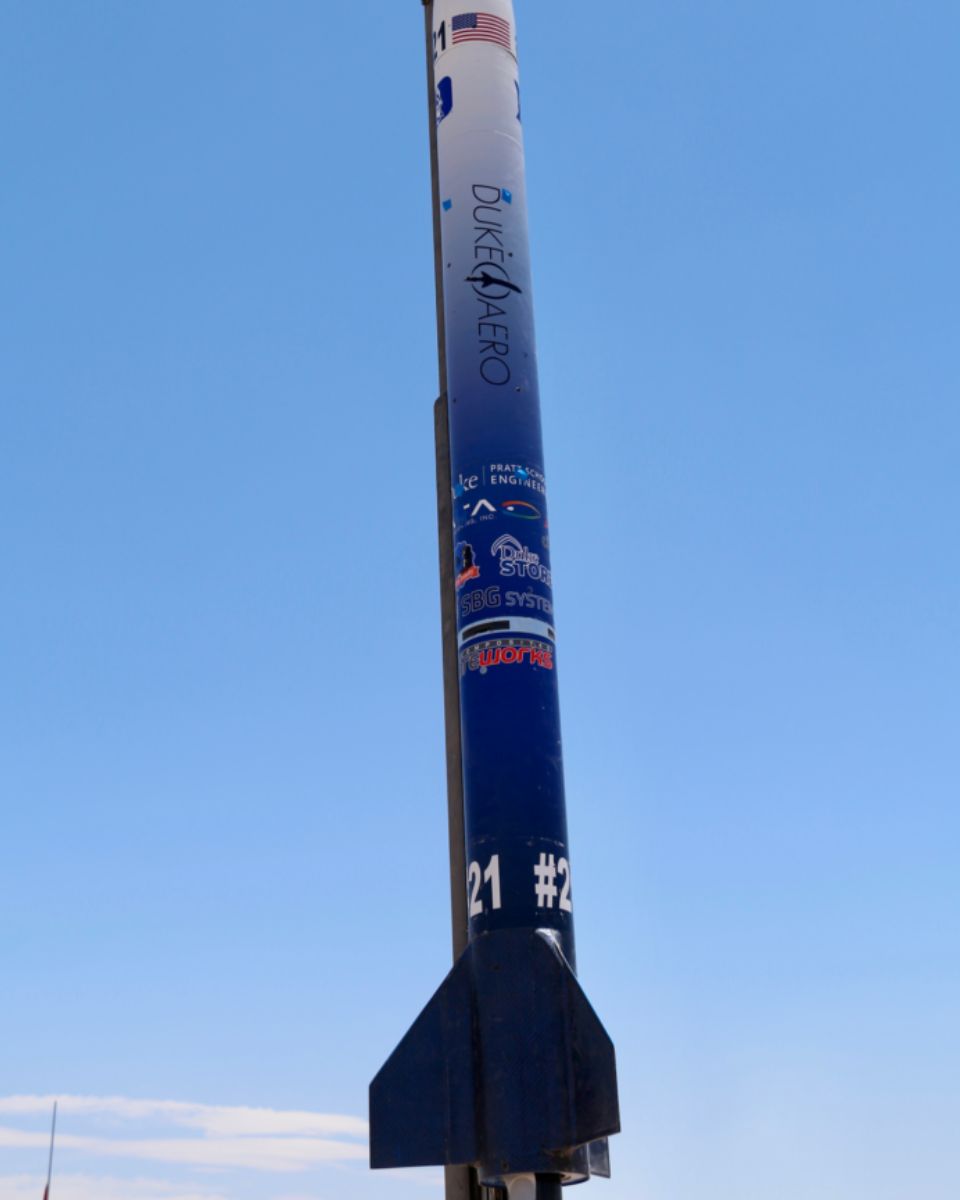
Explore real-world use cases demonstrating how our solutions enhance performance, reduce downtime, and improve operational efficiency. Learn how our advanced sensors and intuitive interfaces provide the precision and control you need to excel in your applications.



Additional products & accessories
Discover how our solutions can transform your operations by exploring our diverse range of applications. With our Motion and Navigation sensors and software, you gain access to state-of-the-art technologies that drive success and innovation in your field.
Join us in unlocking the potential of inertial navigation and positioning solutions across various industries.

Qinertia GNSS-INS
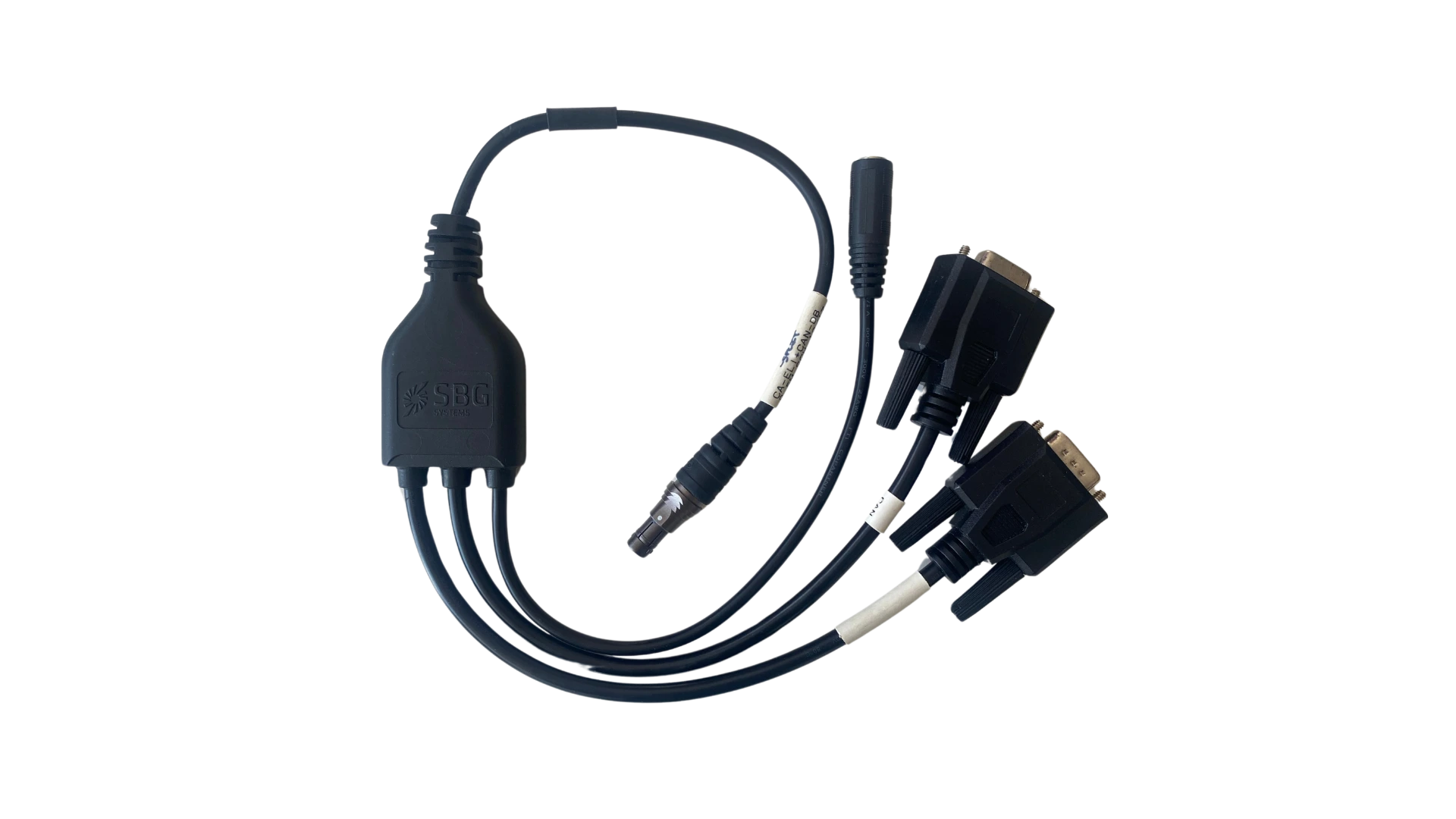
Cables
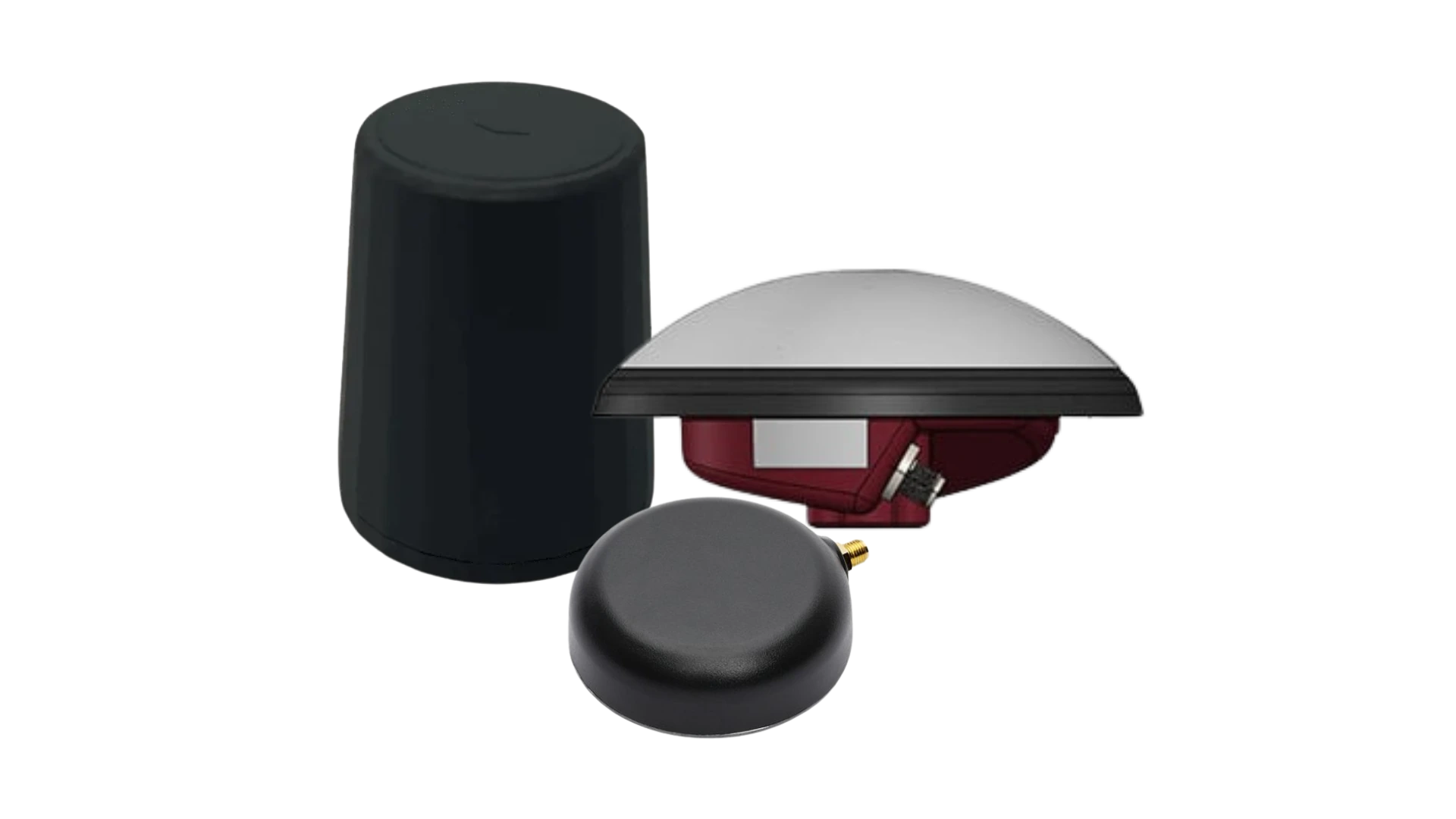
GNSS Antennas
Production process
Discover the precision and expertise behind every SBG Systems products such as an IMU, AHRS or INS. This following video offers an inside look at how we meticulously design, manufacture, and test our high-performance inertial navigation systems. From advanced engineering to rigorous quality control, our production process ensures that each product meets the highest standards of reliability and accuracy.
Watch now to learn more!

Ask for a quotation
They talk about us
We showcase the experiences and testimonials from industry professionals and clients who have leveraged our products in their projects.
Their insights reflect the quality and performance that define our INS, emphasizing its role as a trusted solution in the field.
Discover how our innovative technology has transformed their operations, enhanced productivity, and delivered reliable results across various applications.



FAQ section
Welcome to our FAQ section, where we address your most pressing questions about our cutting-edge technology and its applications. Here, you’ll find comprehensive answers regarding product features, installation processes, troubleshooting tips, and best practices to maximize your experience with our compact INS. Whether you’re a new user seeking guidance or an experienced professional looking for advanced insights, our FAQs are designed to provide the information you need.
Find Your Answers Here !
What is dead reckoning in navigation?
Dead reckoning is a method of navigating without GNSS signals by relying on inertia and other sensor data to maintain continuous tracking. Usually, when GNSS is lost, a system loses its position entirely. With dead reckoning, the system calculates a continuous position that will slowly drift over time. The rate of this drift depends on the quality of the internal IMU and the availability of external aiding sensors.
What formats do you support for external aidings (e.g., airdata, vision)?
The Stellar-40 uses our proprietary sbgECom protocol, which utilizes clearly defined message frames. Using those predefined messages, the system can seamlessly ingest airdata, body velocities, and absolute position data from any external sensor capable of providing that information.
Is there a specific field to manually enter wind estimation?
No, as it is not required. The Stellar-40’s advanced sensor fusion algorithm automatically calculates and estimates wind conditions in real-time, eliminating the need for you to input it manually.
What external aiding options are available for land-based applications?
For land platforms, the Stellar-40 supports a variety of aiding inputs to improve navigation accuracy, especially in GNSS-denied environments. These include hardware odometers (wheel odometry), velocity aidings from external sensors (such as LiDAR or optical sensors), and absolute position aidings.
How do I choose between the damped and non-damped versions of the Stellar-40?
The right choice depends on your operating environment. We highly recommend the damped version for platforms exposed to harsh, vibrating environments, such as deep strike drones or Unmanned Ground Vehicles (UGVs). If you are unsure which version suits your application, our support team is ready to help you make the right choice.