EO/IR systems

EO/IR systems combine electro-optical (EO) and infrared (IR) sensors with precision stabilization technologies to capture high-quality imagery in dynamic environments. These systems support EO/IR Surveillance, intelligence, reconnaissance, target acquisition, search and rescue, border protection, and maritime monitoring. They operate on aircraft, UAVs, ground vehicles, naval vessels, and fixed installations.
Most EO/IR payloads integrate into gimballed systems that isolate the sensor from platform motion. A typical gimbal consists of a fixed base, an outer axis controlling Yaw (azimuth), and an inner axis controlling Pitch (elevation). Some advanced platforms also compensate for Roll to maintain an accurate line of sight during aggressive maneuvers. This architecture enables precise pointing while minimizing the effects of vibration and rapid vehicle motion.
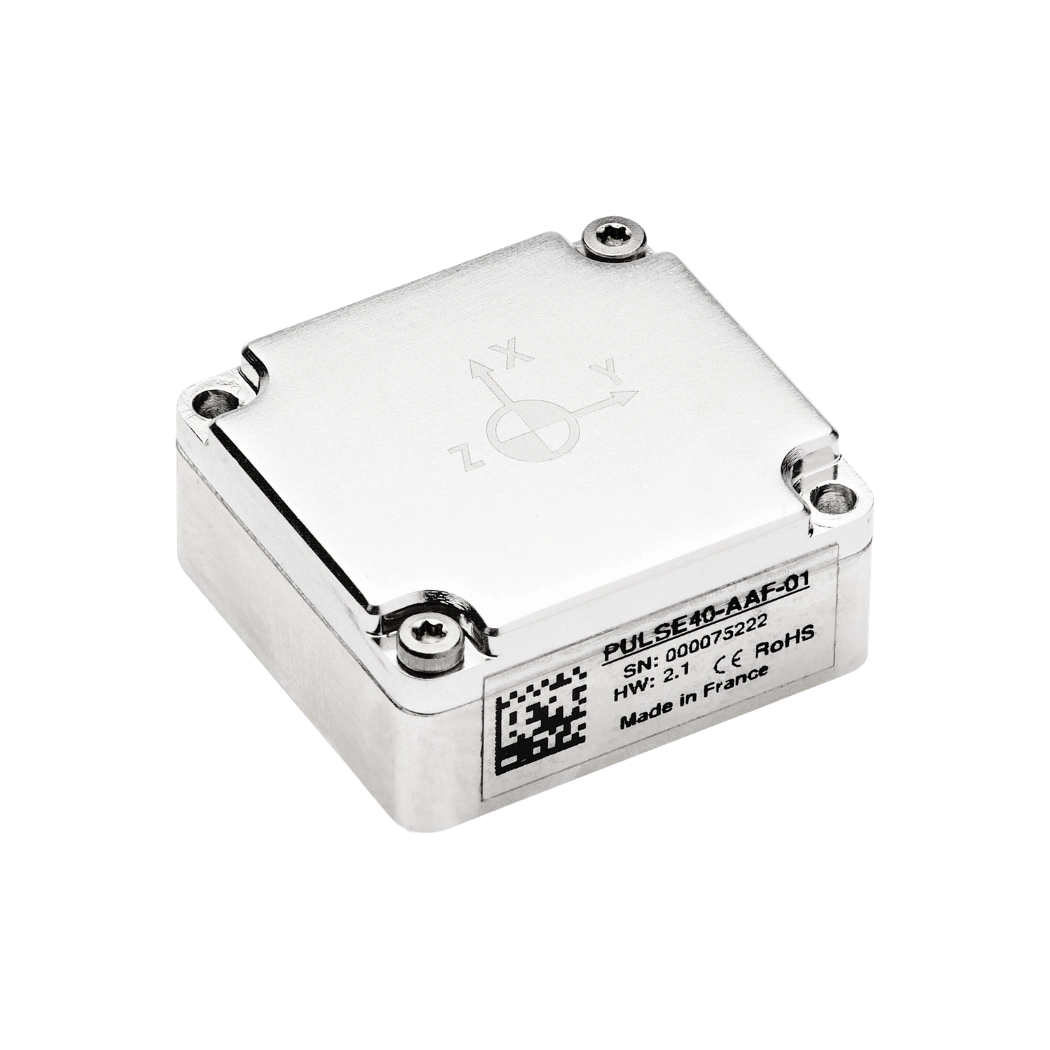
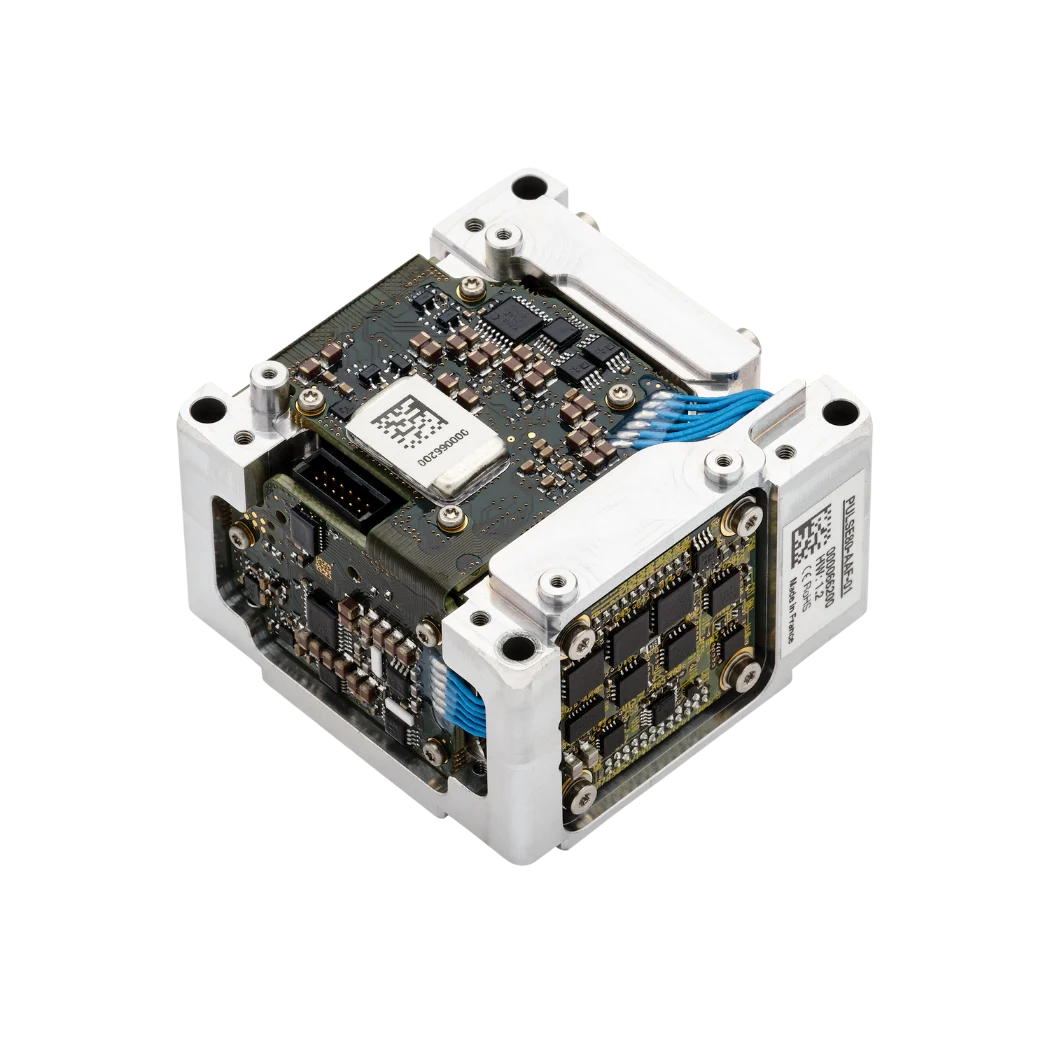
EO/IR stabilization depends on continuous measurements from an Inertial Measurement Unit (IMU). The IMU provides high-frequency angular rate and attitude data, allowing the gimbal controller to detect motion instantly and command corrective motor movements. This closed-loop stabilization keeps cameras, thermal imagers, laser designators, or other payloads accurately aligned with the target.
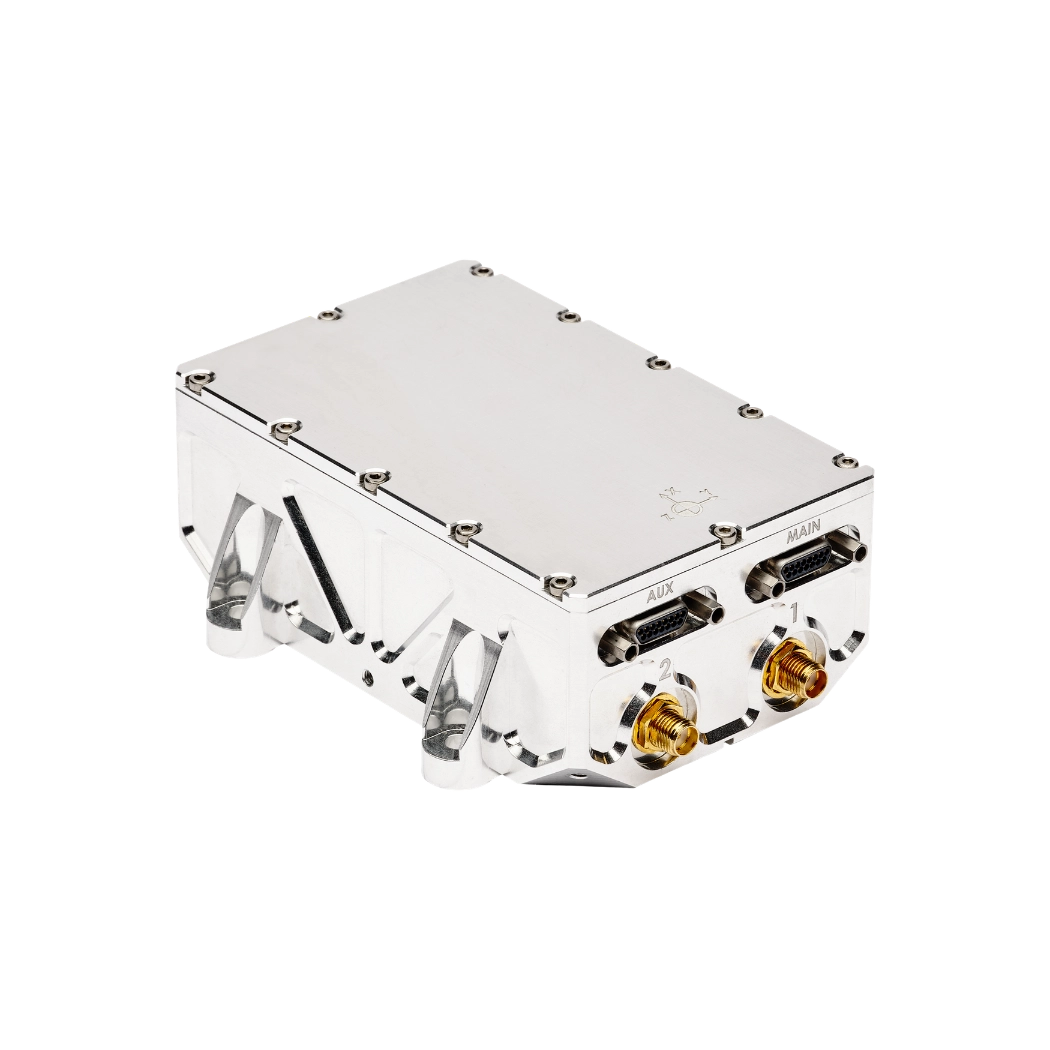
Modern EO/IR platforms also combine IMU data with external navigation data, including position, velocity, and heading information from GNSS or an inertial navigation system. Sensor fusion improves pointing accuracy, target localization, and georeferencing, even during rapid vehicle accelerations or temporary GNSS outages. The result is stable imagery and reliable target coordinates under challenging operating conditions.
The quality of an EO/IR system depends on the performance of both the stabilization mechanism and the inertial sensors. Low-noise gyroscopes, accurate accelerometers, fast update rates, and low-latency processing reduce pointing errors and image blur. High-performance inertial navigation enables EO/IR payloads to maintain precise tracking while delivering consistent imagery for mission-critical surveillance and reconnaissance applications.