
AUV – Autonomous Underwater Vehicle
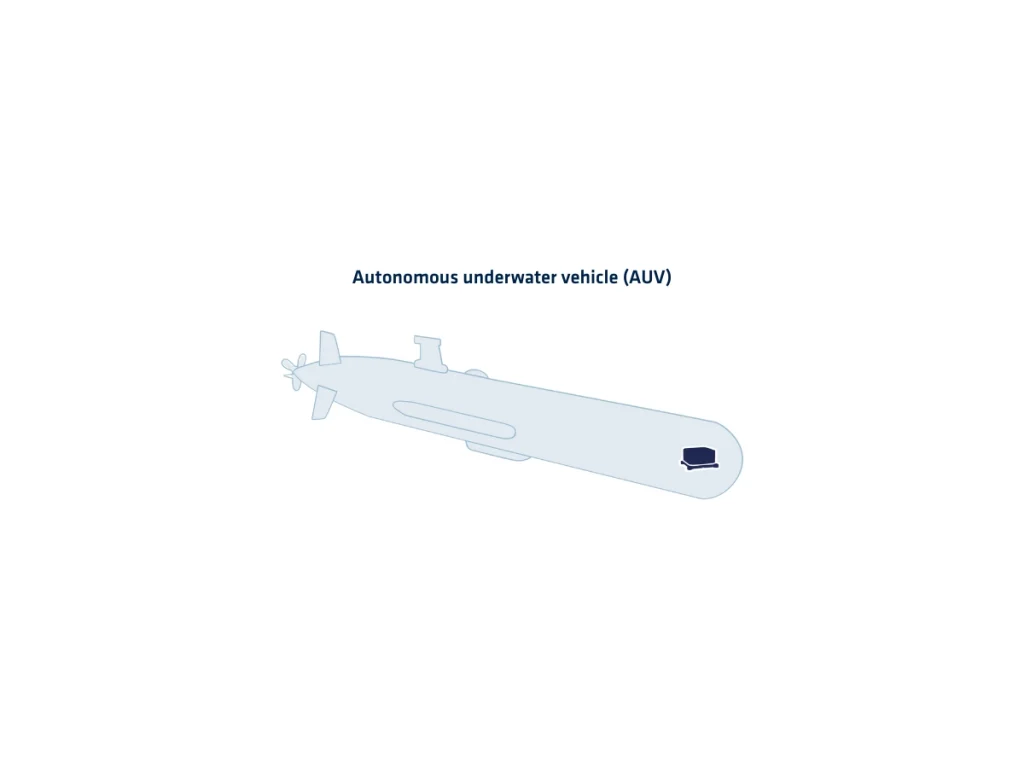
Autonomous Underwater Vehicles (AUVs) are self-guided marine systems designed to operate independently beneath the ocean surface without real-time human control or tethered communication. These vehicles actively collect data, inspect underwater structures, map seabeds, and perform complex missions by relying on advanced perception, navigation, and control technologies. Their autonomy stems from the integration of precise inertial sensors, acoustic positioning systems, advanced algorithms, and mission-driven control logic.
Unlike remotely operated vehicles, AUVs navigate freely through three-dimensional underwater environments. They carry their own energy source, execute preprogrammed mission plans, and intelligently adapt to environmental changes. The vehicle continuously estimates its position, velocity, and attitude by fusing data from IMUs, DVLs, and depth sensors during operation. When surfaced, it actively integrates available GNSS signals to enhance overall navigation performance and correct accumulated inertial drift.
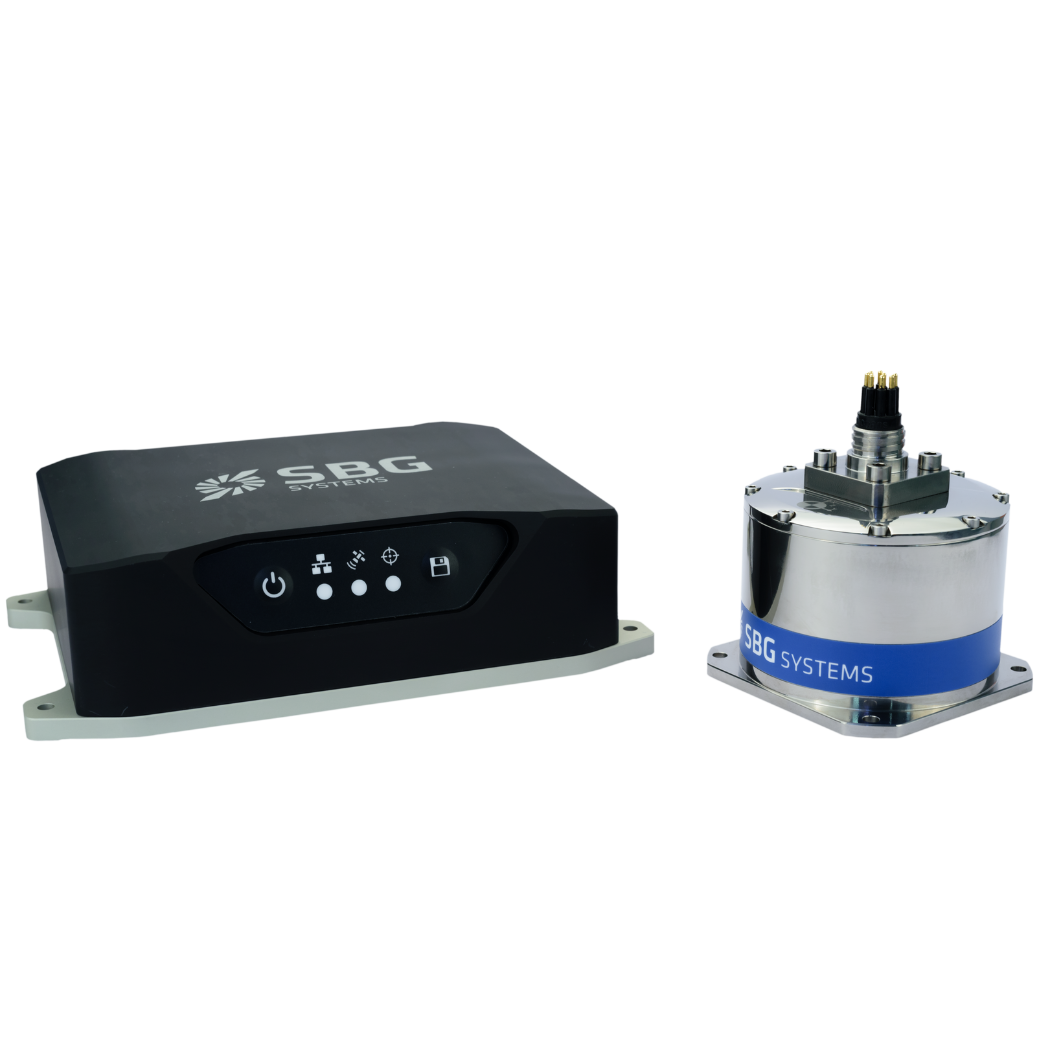
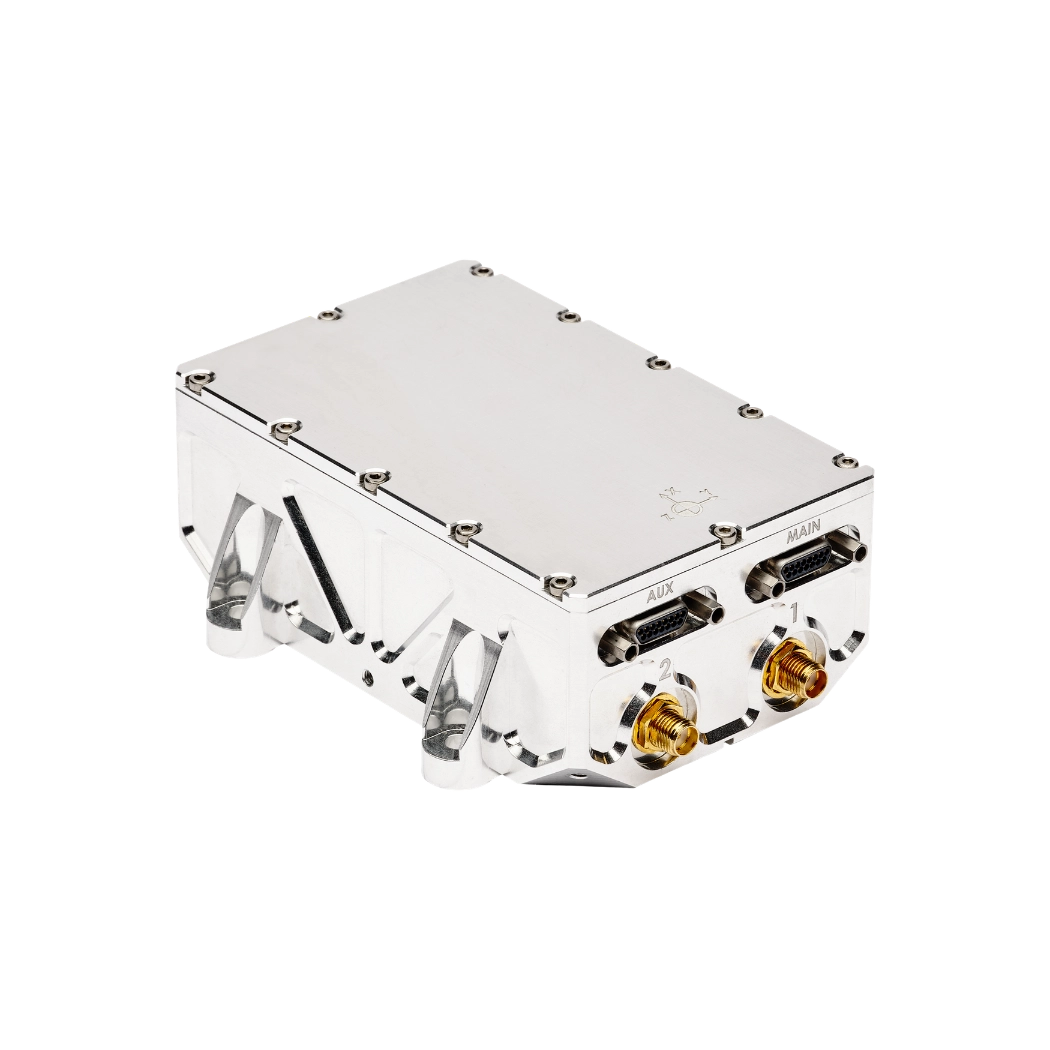
Underwater, where GNSS signals are unavailable, the onboard inertial navigation system (INS) becomes the core reference enabling robust dead reckoning. High-grade inertial data fusion plays a decisive role in maintaining reliable trajectory tracking and enabling the autonomy expected from modern AUV operations.
AUVs operate across various domains: scientific ocean exploration, seabed mining assessment, military reconnaissance, pipeline inspection, environmental monitoring, or search and rescue. Their capability to dive deep, navigate challenging currents, and gather high-resolution data significantly reduces human risk and operational costs. With improved onboard computing and energy management, they now perform longer, more complex missions in harsh and GNSS-denied environments.
From a navigation standpoint, mission success relies on precise sensor integration and reliable state estimation. The INS must actively suppress drift and maintain stability throughout dynamic maneuvers in challenging underwater environments. It consistently provides accurate situational awareness to the guidance and control algorithms, enabling precise and autonomous decision-making during missions.