Heavy machinery

Heavy machinery describes large mechanical equipment that performs tasks requiring high power, structural strength, and continuous operation. Industries use these machines for excavation, lifting, material handling, drilling, grading, transportation, and construction. Heavy machinery includes excavators, bulldozers, wheel loaders, cranes, graders, mining trucks, drilling rigs, and agricultural machines. Each machine combines mechanical systems, hydraulic actuators, engines, and electronic control units to generate and manage high forces.
Manufacturers design heavy machinery to withstand demanding operating environments. Machines frequently experience strong vibration, mechanical shock, temperature variations, dust, moisture, and electromagnetic interference. These conditions can affect mechanical components and electronic sensors. Engineers therefore select rugged components that maintain reliable performance throughout the machine’s operating life.
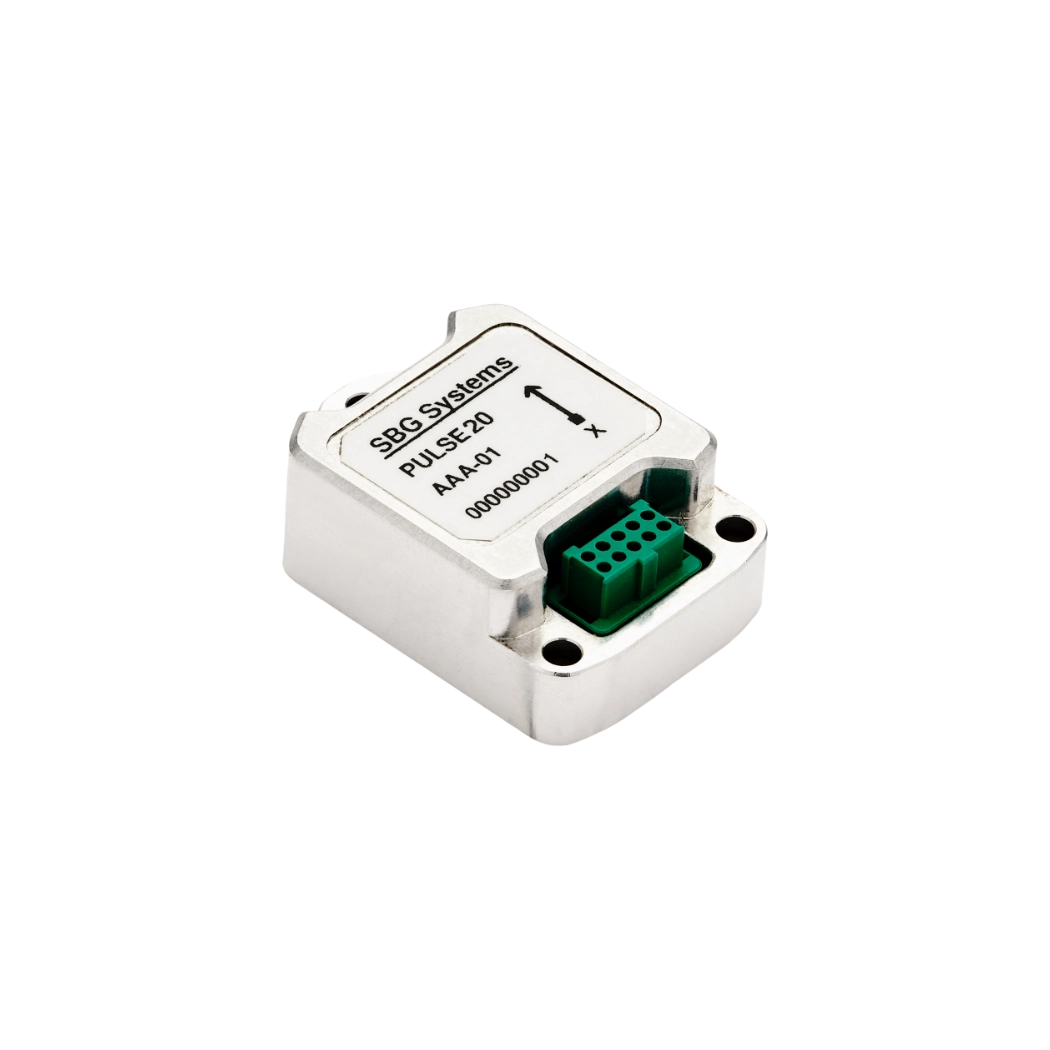
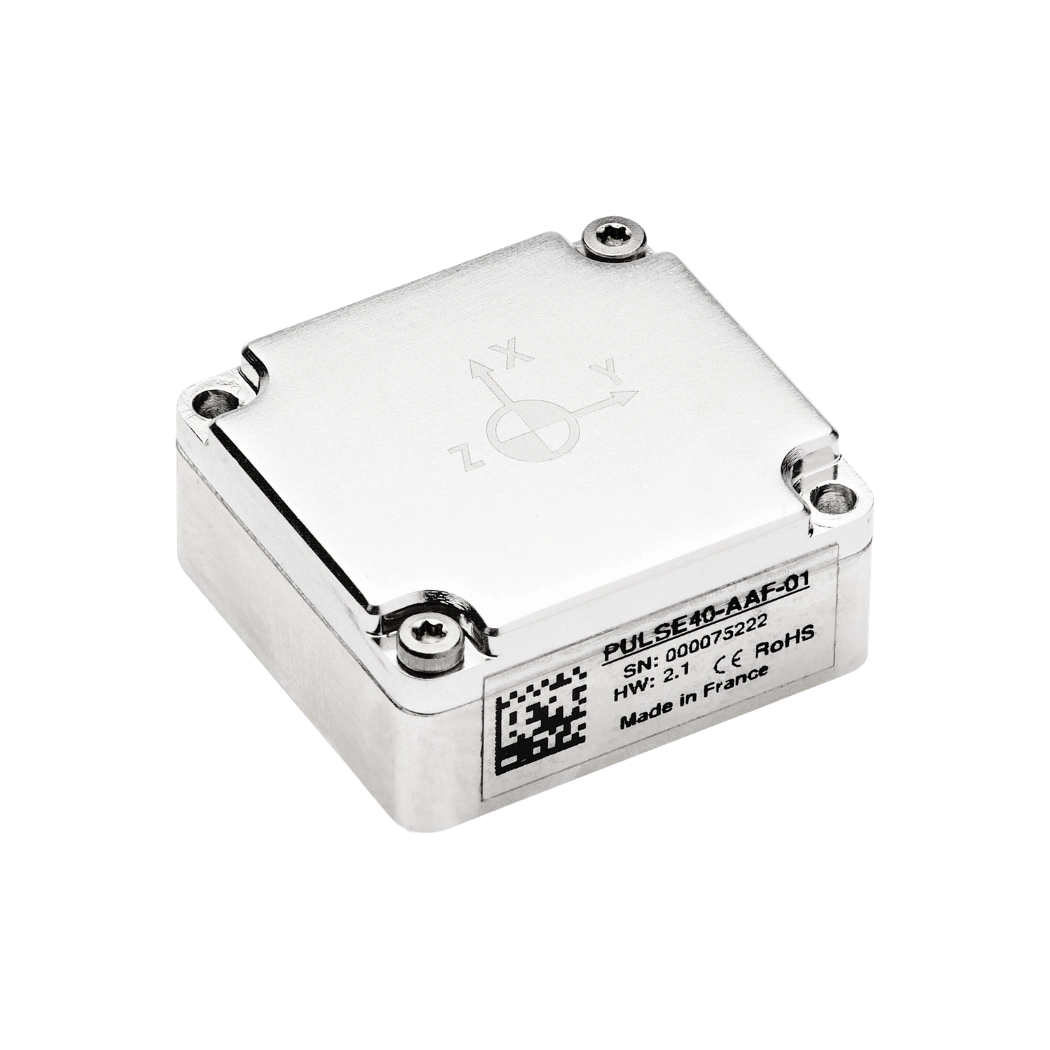
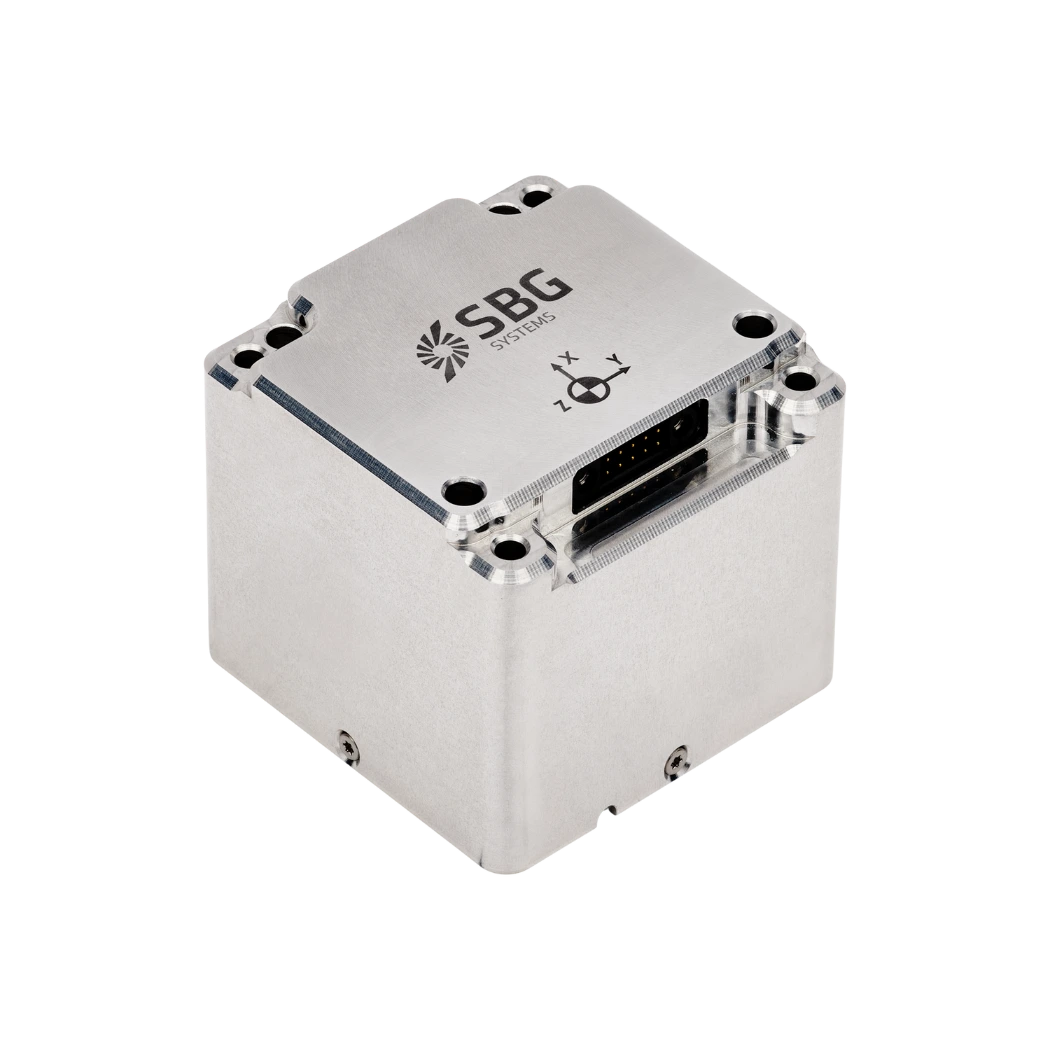
Modern heavy machinery increasingly relies on electronic sensing and control systems. GNSS receivers provide absolute positioning, while inertial sensors measure acceleration and angular motion. An IMU combines accelerometers and gyroscopes to measure the machine’s linear acceleration and rotation. An AHRS processes inertial measurements to estimate roll, pitch, and heading. An INS combines inertial data with GNSS and other aiding sensors to calculate position, velocity, and orientation.
These systems support machine guidance, automated grading, payload monitoring, stabilization, and autonomous operation. For example, an excavator can use an INS to determine the position and orientation of its body and attachments. A mining truck can use GNSS/INS fusion to maintain accurate navigation despite vibration and temporary GNSS interruptions.
Heavy machinery also demands robust sensor integration. High shock and vibration levels can introduce measurement errors and degrade sensor performance. Engineers therefore consider bias stability, noise density, dynamic range, bandwidth, temperature sensitivity, and shock resistance when selecting inertial sensors.
Rugged IMUs, AHRS, and INS solutions help machines maintain reliable motion awareness and enable precise, safe, and efficient operations.