Rugged IMU

A rugged IMU is an Inertial Measurement Unit designed to deliver reliable motion measurements in harsh operating environments. It integrates three-axis gyroscopes and three-axis accelerometers to measure angular rates and linear accelerations. Some rugged IMUs also integrate magnetometers for additional heading information.
Engineers design rugged IMUs to withstand mechanical, thermal, and environmental stresses. These conditions include high shock levels, continuous vibration, temperature variations, humidity, dust, and electromagnetic interference. The sensor maintains its measurement performance despite these external disturbances.
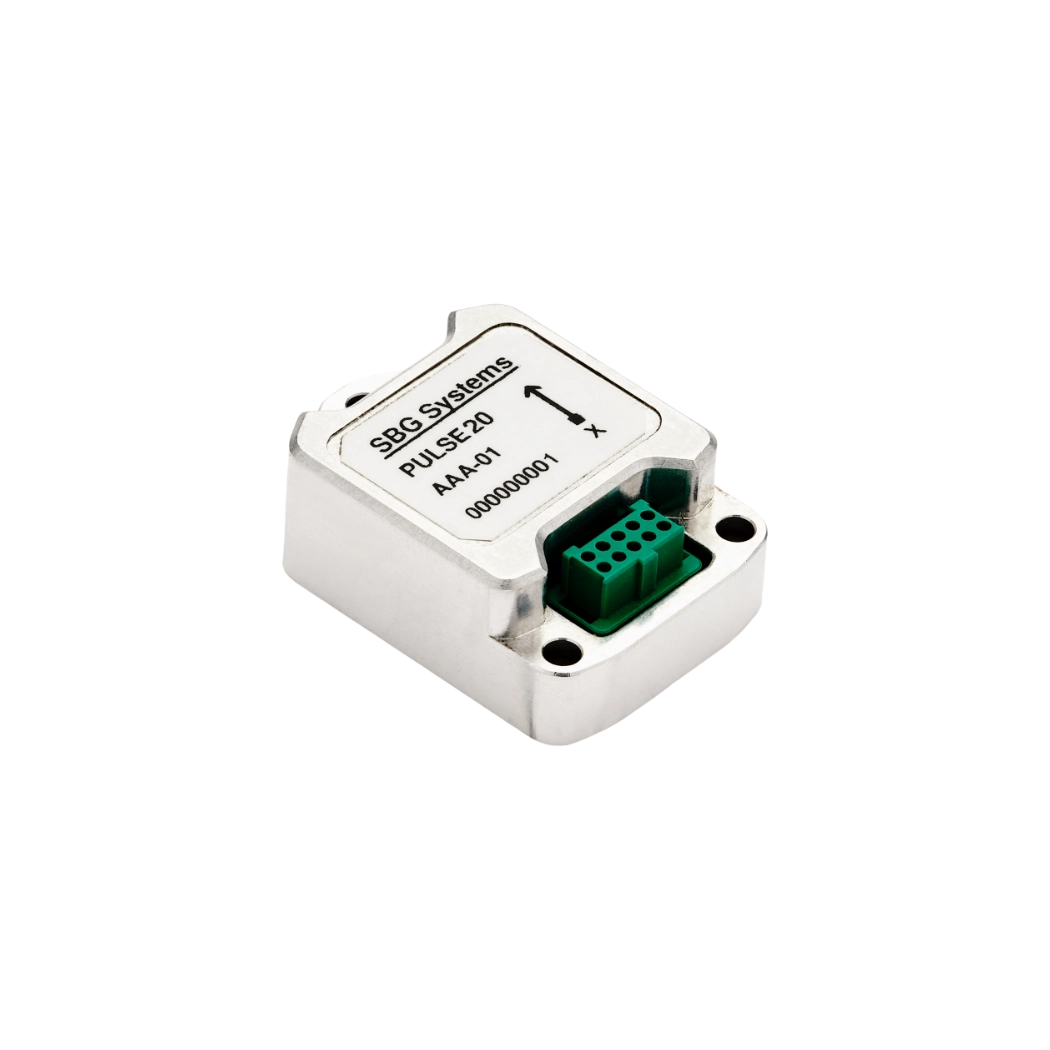
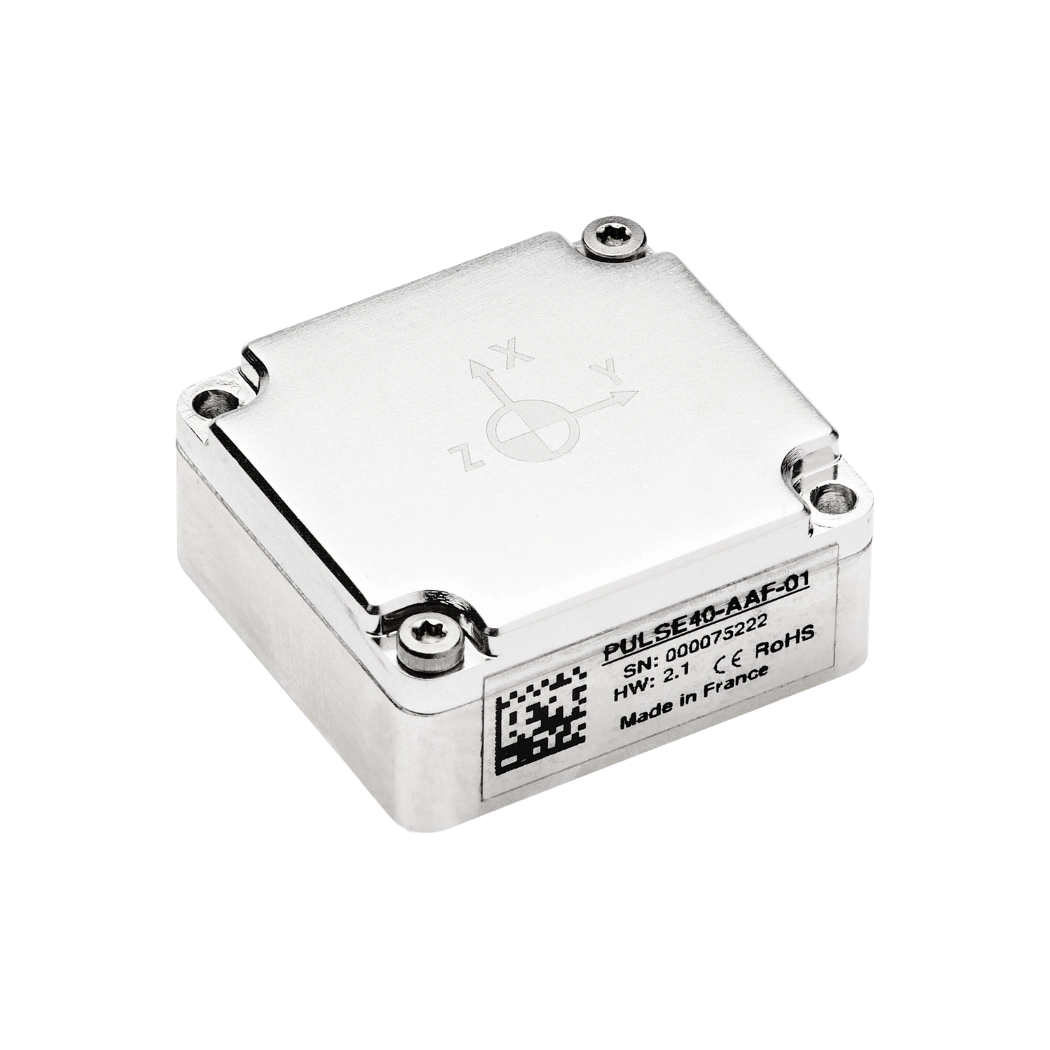
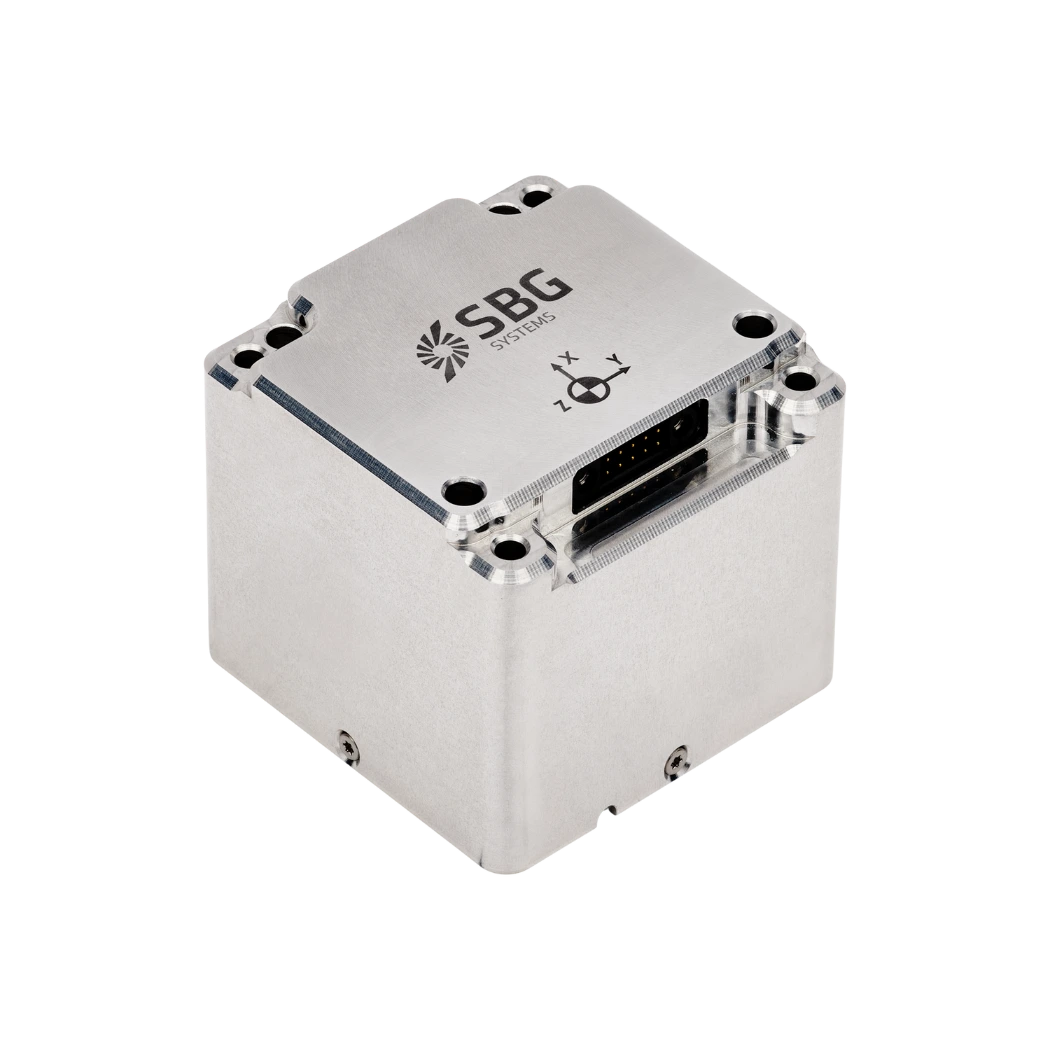
A rugged IMU typically uses a reinforced mechanical enclosure to protect its sensing elements and electronics. The enclosure can also provide resistance against dust and water ingress. Manufacturers may use sealed connectors, conformal coatings, and specialized mounting structures to increase environmental protection.
Shock and vibration represent major challenges for inertial sensors. Excessive mechanical stress can introduce measurement errors, sensor bias variations, or structural resonances. Rugged IMUs therefore use mechanical isolation, optimized mounting, and robust MEMS sensor designs to reduce these effects.
Temperature also affects gyroscope and accelerometer performance. A rugged IMU can use temperature compensation algorithms and calibrated sensor models to reduce temperature-dependent errors. Some units also support extended operating temperature ranges for deployment in extreme environments.
Ruggedization does not necessarily define the accuracy class of an IMU. A rugged IMU can use industrial-grade, tactical-grade, or higher-performance inertial sensors. Engineers select the appropriate sensor performance according to the application’s navigation and stabilization requirements.
Rugged IMUs serve applications that require dependable inertial measurements under demanding conditions. Typical applications include unmanned ground vehicles, autonomous systems, industrial machinery, aerospace platforms, defense systems, and mobile mapping equipment.
By combining robust mechanical construction, environmental protection, sensor compensation, and reliable electronics, a rugged IMU maintains stable inertial measurements when conventional sensors may experience degraded performance.