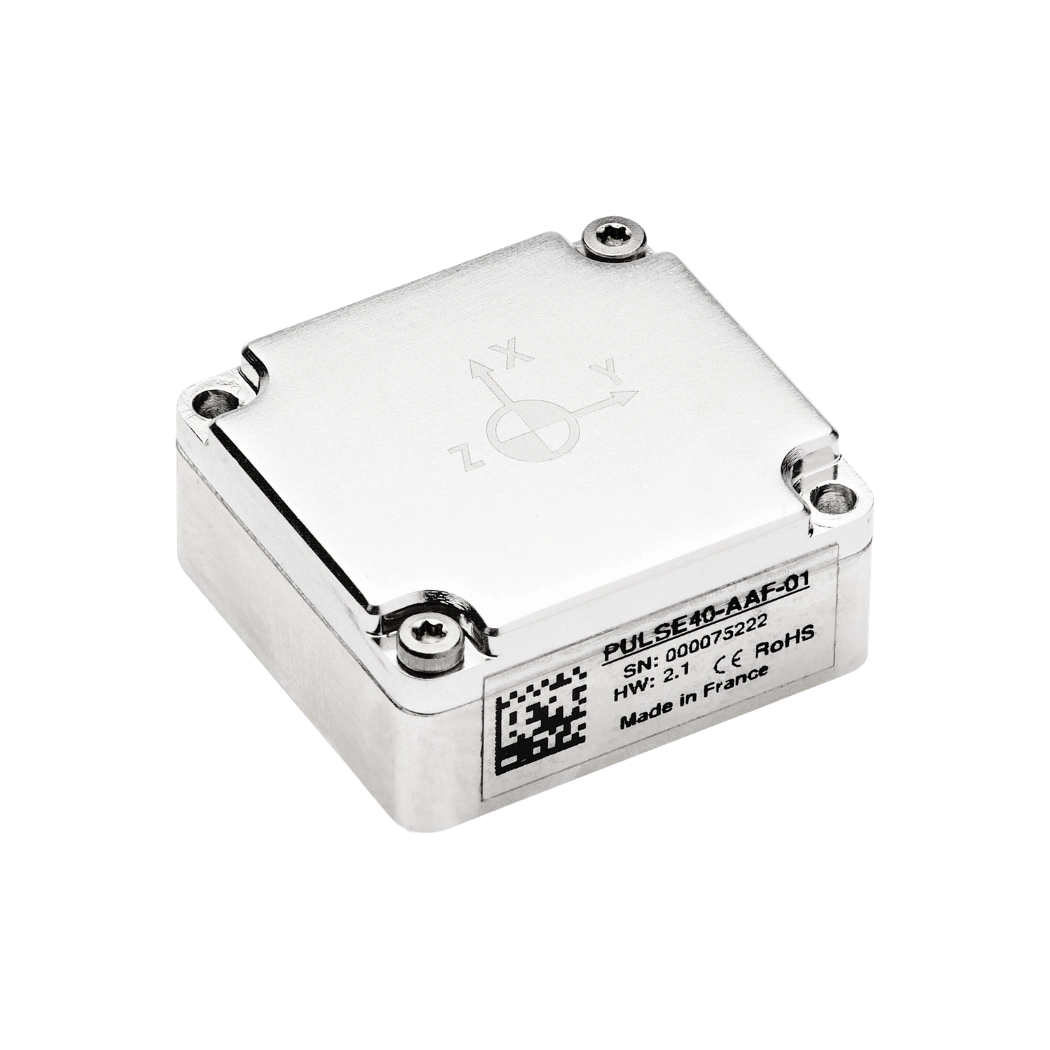

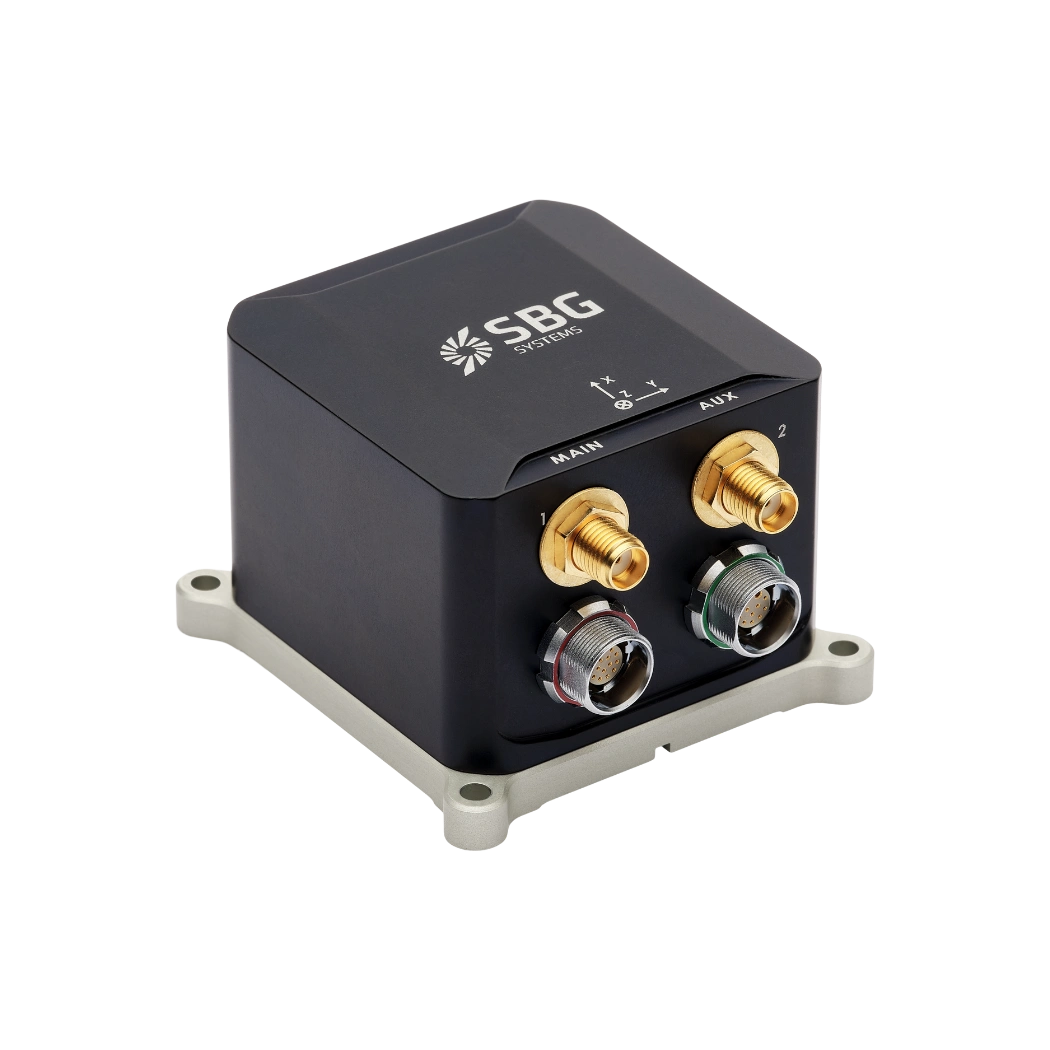
Z-axis

The Z-axis plays a fundamental role in measuring and controlling motion in the vertical direction. INS devices, including inertial measurement units (IMUs) and attitude heading reference systems (AHRS), define their coordinate system using three axes: X, Y, and Z. While the X-axis typically represents forward motion and the Y-axis lateral motion, the Z-axis corresponds to vertical movement, directly influencing altitude, heave, and vertical acceleration calculations.
Z-axis provides essential information for navigation in applications where vertical positioning or stabilization is crucial. For example, in unmanned aerial vehicles (UAVs), autonomous underwater vehicles (AUVs), and marine vessels, precise axis measurements allow the system to maintain accurate depth, altitude, or heave compensation, even in GPS-denied environments. INS devices continuously integrate Z-axis accelerations over time to calculate vertical velocity and displacement, ensuring reliable positioning and orientation data.
Engineers design IMUs with highly sensitive Z-axis accelerometers and gyroscopes to minimize drift and maintain accuracy under dynamic conditions. Any error this axis measurement directly affects altitude, depth, or vertical stabilization performance.
High-performance INS prioritize all axis to support mission-critical operations. This include precision guidance and active stabilization systems. Moreover, this axis serves as a reference for calculating pitch and roll angles, which depend on the relationship between gravity and the vertical axis. Accurate data allows control systems to correct vehicle attitude, stabilize platforms, and optimize navigation algorithms.
The Z-axis is not just a vertical coordinate but also very important of INS functionality. This axis provides precise vertical acceleration and orientation information. It ensures reliable navigation, stabilization, and control across aerial, marine, and underwater applications. Mastering axis measurement enhances INS performance and empowers vehicles to operate safely and efficiently in complex environments.