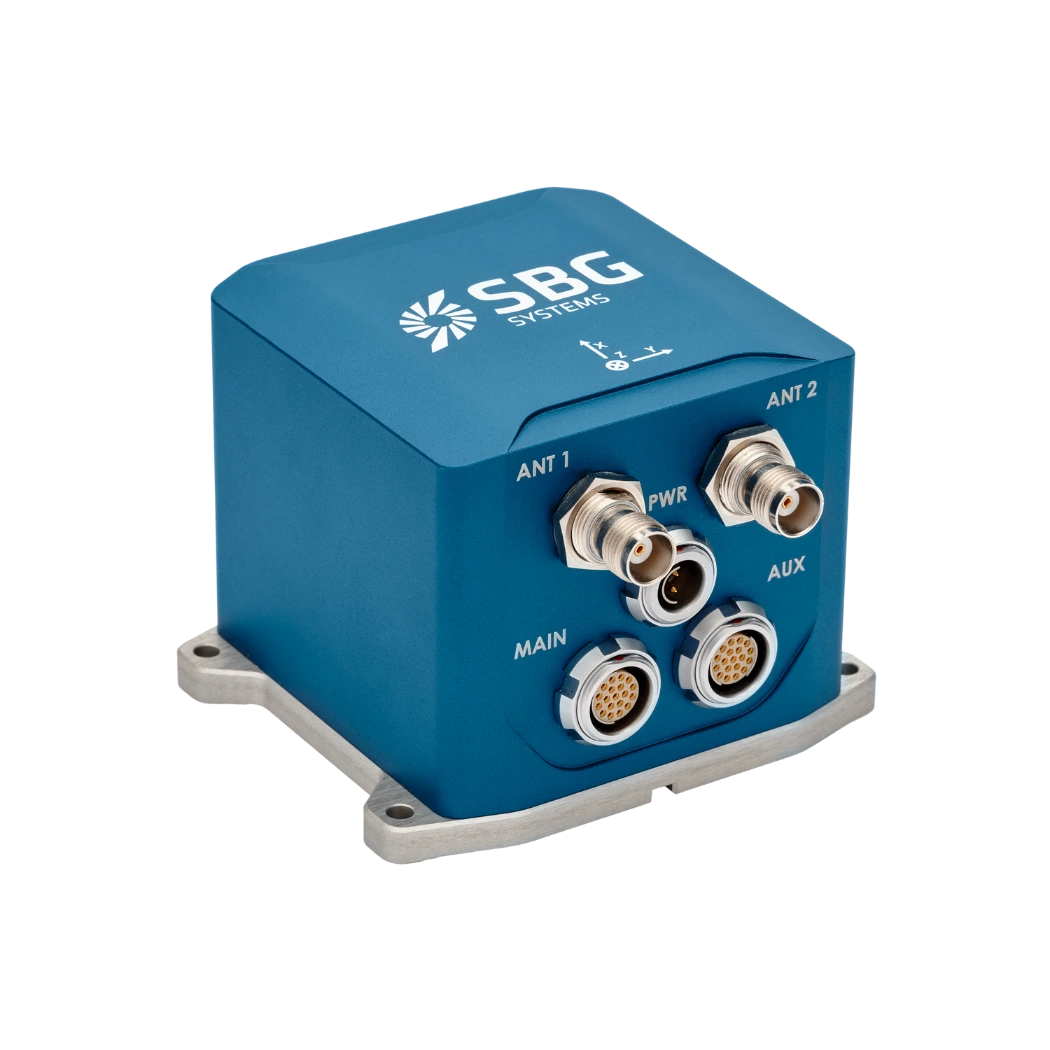

PNT – Positioning, Navigation, and Timing

Positioning, Navigation, and Timing (PNT) are essential capabilities. They are a cornerstone of modern technological life. PNT lets users know where they are. It tells them where they are going. It precisely determines the time.
Positioning finds your geographic location. It typically uses coordinates. These coordinates describe a spot on Earth. Global Navigation Satellite Systems (GNSS) provide positioning data. GPS is the most famous example. Other GNSS examples include Galileo and GLONASS.
Navigation is the next logical step. It determines the correct path to a destination. Navigation moves from point A to point B. It requires current position data. It needs map data or route information. Inertial Measurement Units (IMUs) often aid navigation. These sensors track movement and orientation. A smartphone uses PNT for directions. Modern vehicles heavily rely on navigation.
Timing provides a highly accurate time reference. This accuracy is paramount for many systems. GNSS satellites carry atomic clocks. These clocks broadcast precise time signals. Timing is crucial for synchronization. Financial transactions need accurate timing. Power grids use it to manage flow. Telecommunication networks also depend on it. Timing underpins system coordination.
PNT and other technologies
PNT is often synonymous with GNSS. GNSS is the main source of PNT signals. However, PNT is a broader concept. It can use other technologies. Inertial navigation systems (INS) are one example. INS uses accelerometers and gyroscopes. It tracks position changes. This is dead reckoning. INS works even without satellite signals.
Resilience is a key concern for PNT. Users must ensure system availability. Robustness means that Positioning, Navigation, and Timing don’t get messed up by outside interference. Cybersecurity protects PNT data integrity. Alternative PNT (Alt-PNT) sources are important because they provide backup when GNSS is blocked. This source include terrestrial radio signals. They help ensure continuous service. Positioning, navigation, and timing are critical for both military and civilian applications.
Vulnerabilities
The PNT signals from satellites like GPS are inherently weak by the time they reach Earth, making them easy to overpower or manipulate with low-cost, commercially available devices. The main threats fall into three categories:
- Jamming: Transmitting an overpowering signal on the same frequency as the PNT satellite signal. This acts like noise, causing the receiver to lose the signal lock and fail to provide any PNT information.
- Spoofing: Transmitting a false signal that mimics the real satellite signal, causing the receiver to calculate an incorrect position or time. This is more insidious than jamming because the system believes the false data is real.
- Systemic Failures: This includes unintentional disruptions like system errors, equipment failure, human error (e.g., misconfigured receivers leading to widespread outages), or environmental effects (e.g., solar flares).