Spoofing

Spoofing refers to the deliberate broadcasting of false signals to deceive Global Navigation Satellite System (GNSS) receivers. Unlike jamming, which blocks GNSS signals altogether, spoofing tricks the receiver into calculating a false position, velocity, or time (PVT) solution. This deception can cause serious consequences in aviation, maritime navigation, autonomous vehicles, military operations, and critical infrastructure.
How spoofing works ?
Spoofers generate and transmit counterfeit GNSS signals that closely mimic authentic satellite signals. As a result, these signals can overpower legitimate signals and cause the receiver to lock onto false navigation data. Gradually, the attacker increases the counterfeit signal strength and takes control of the receiver’s position or time solution. In some cases, the receiver cannot detect the transition.
To execute a successful spoofing attack, the adversary first synchronizes the counterfeit signals with authentic satellite data. Next, the spoofer replicates the GNSS signal structure and modifies the navigation data to mislead the target receiver. Moreover, advanced spoofers can use sophisticated signal generators to emulate signals from entire satellite constellations. Consequently, they can manipulate the receiver’s navigation solution while maintaining a signal environment that appears legitimate.
Detection Techniques
Several methods help detect GNSS spoofing:
- Signal strength analysis: Spoofed signals often exhibit abnormal power levels or sudden increases.
- Time-of-arrival inconsistencies: Receivers can identify discrepancies in the arrival times of satellite signals.
- Angle-of-arrival (AOA) detection: Antenna arrays detect unusual signal directions, revealing false sources.
- Multi-constellation and multi-frequency monitoring: Comparing multiple GNSS systems (GPS, Galileo, GLONASS) helps identify irregularities.
- Inertial Navigation System (INS) integration: INS provides position updates independent of GNSS, serving as a cross-check against spoofed data.
Spoofing countermeasures
To counter spoofing, system designers implement hardware and software-based approaches:
1 – Cryptographic GNSS signals: Modernized GNSS systems like Galileo (with OSNMA) and GPS (with M-code) offer authenticated signals, though not all civilian receivers support them yet.
2 – Receiver design improvements: Anti-spoofing algorithms compare signal parameters, timing, and direction to filter out malicious inputs.
3 – Sensor fusion: Combining GNSS with inertial sensors, barometers, magnetometers, and visual odometry makes spoofing less effective, as the navigation solution no longer relies solely on satellite signals.
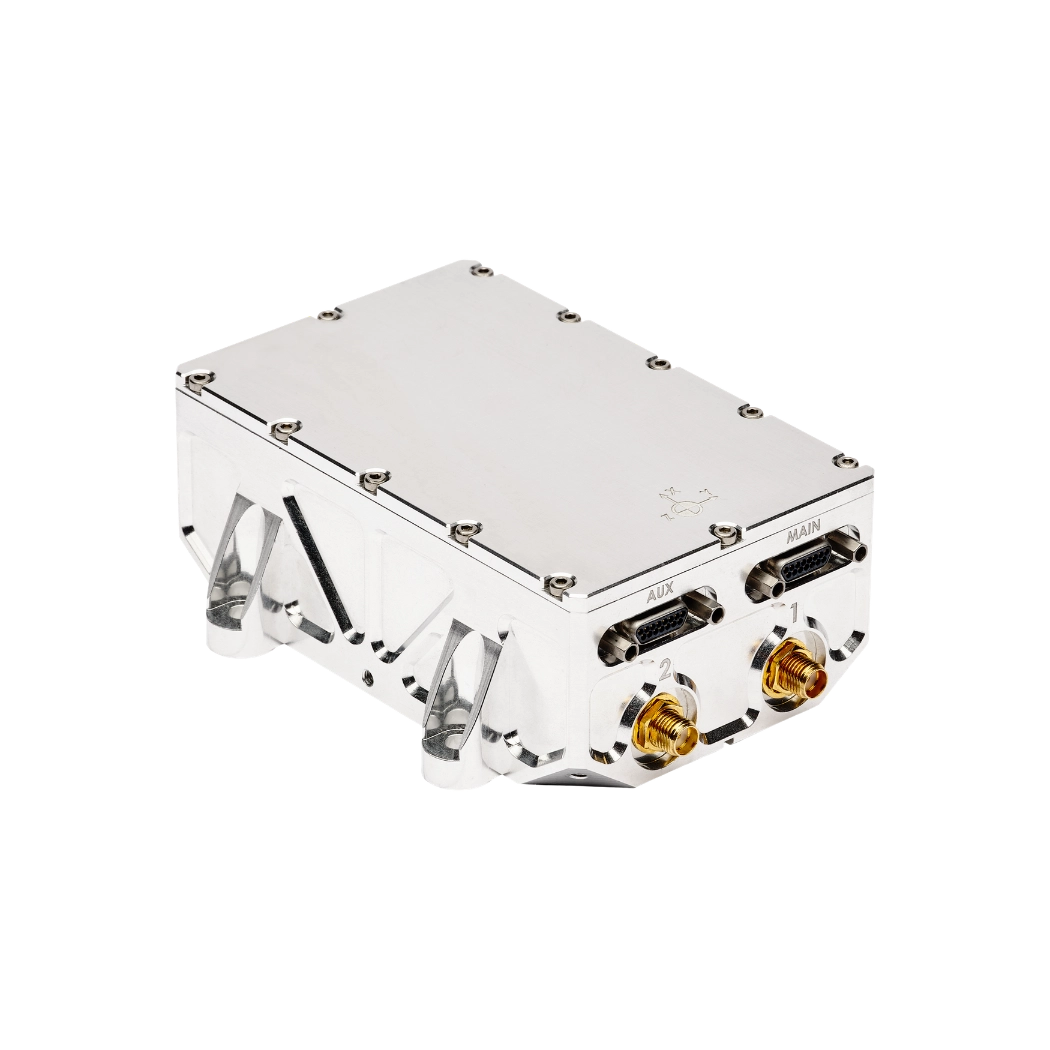
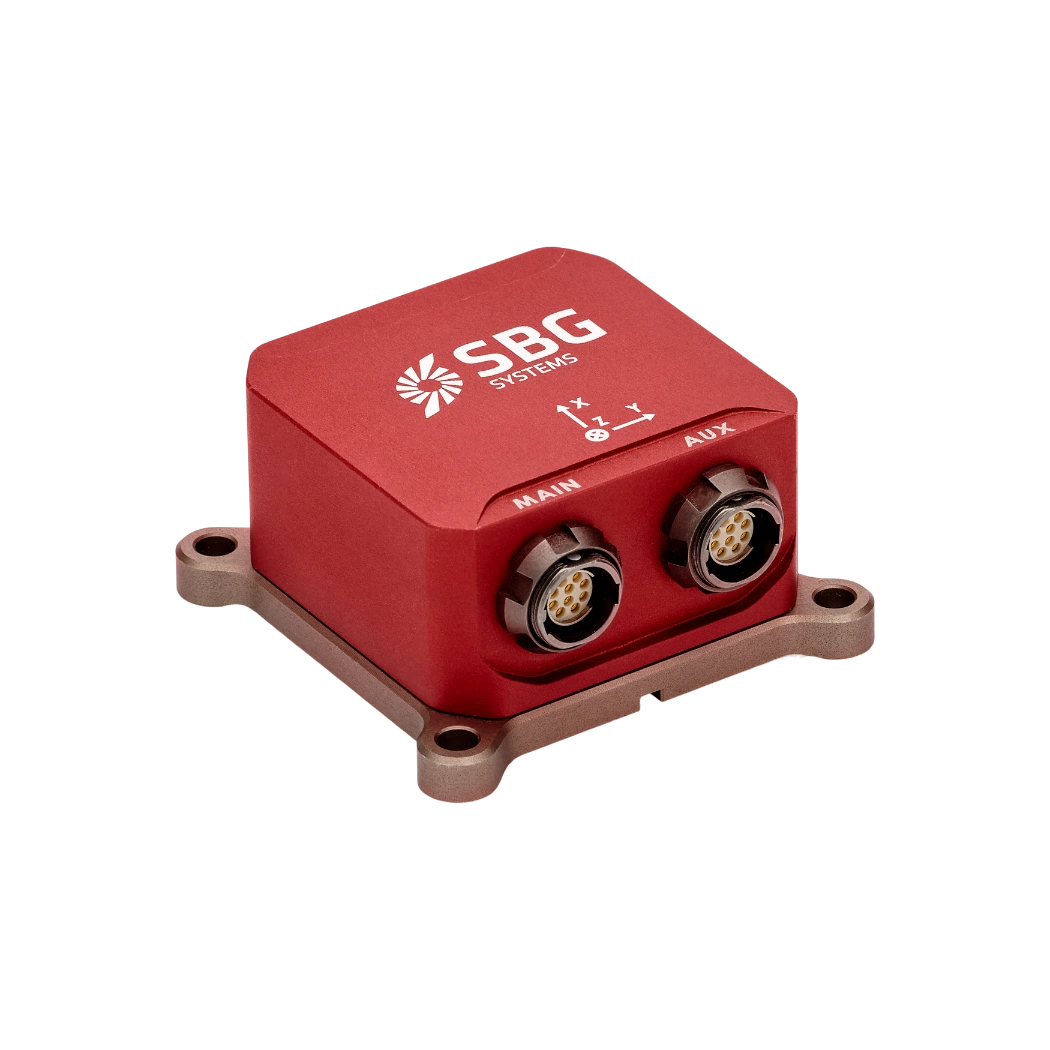
Military-grade systems typically embed these capabilities, but they are becoming more common in commercial applications such as autonomous drones and shipping. The systems can be used to mitigate spoofing, meaconing or jamming.
What developments can we expect in the future ?
As navigation systems become increasingly autonomous and dependent on satellite signals, the risk of spoofing grows. Emerging sectors like autonomous cars, unmanned aerial vehicles (UAVs), and urban air mobility demand trustworthy navigation data. Governments and industries must adopt resilient navigation architectures that integrate multi-source verification, robust sensor fusion, and encrypted positioning data.
In conclusion, spoofing represents a silent, deceptive threat that can alter a system’s navigation data without raising alarms. By understanding how it operates, detecting its presence, and implementing robust countermeasures, engineers and operators can protect navigation systems and maintain trust in global mobility and positioning technologies.
Get ready for GNSS outages