SWaP-C
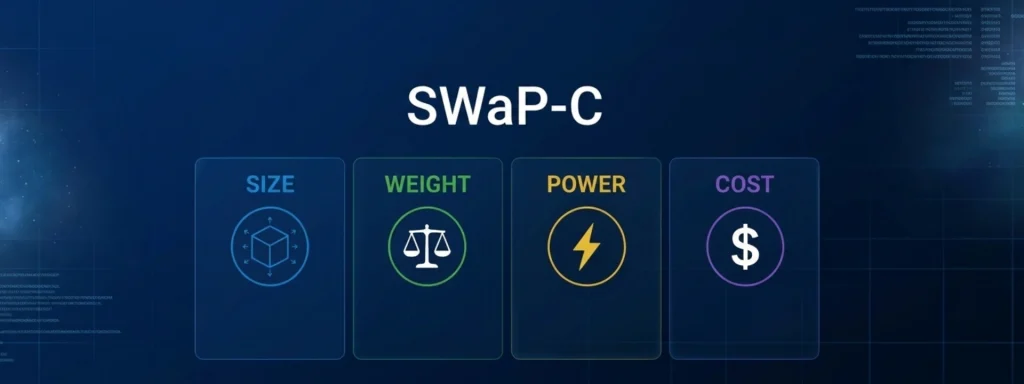
SWaP-C stands for Size, Weight, Power, and Cost. In inertial navigation, these parameters directly influence platform endurance, payload capacity, thermal management, and overall mission effectiveness. Engineers continuously optimize SWaP-C to maximize navigation performance without increasing system complexity.
For applications that require high performance in compact, lightweight, and power-efficient platforms, it is essential to design SWaP-C optimized inertial sensors. In aerospace, they improve satellite payload efficiency and reduce aircraft weight. Defense systems integrate them into portable equipment and unmanned ground vehicles to extend mission endurance. In the automotive sector, they support autonomous vehicles and ADAS with compact, low-power navigation solutions. Industrial automation benefits from lightweight robotic systems and scalable sensor networks that reduce installation constraints while improving operational efficiency. This SWaP-C approach enables reliable navigation, stabilization, and motion sensing without compromising performance or integration flexibility.
Importance of SWaP-C
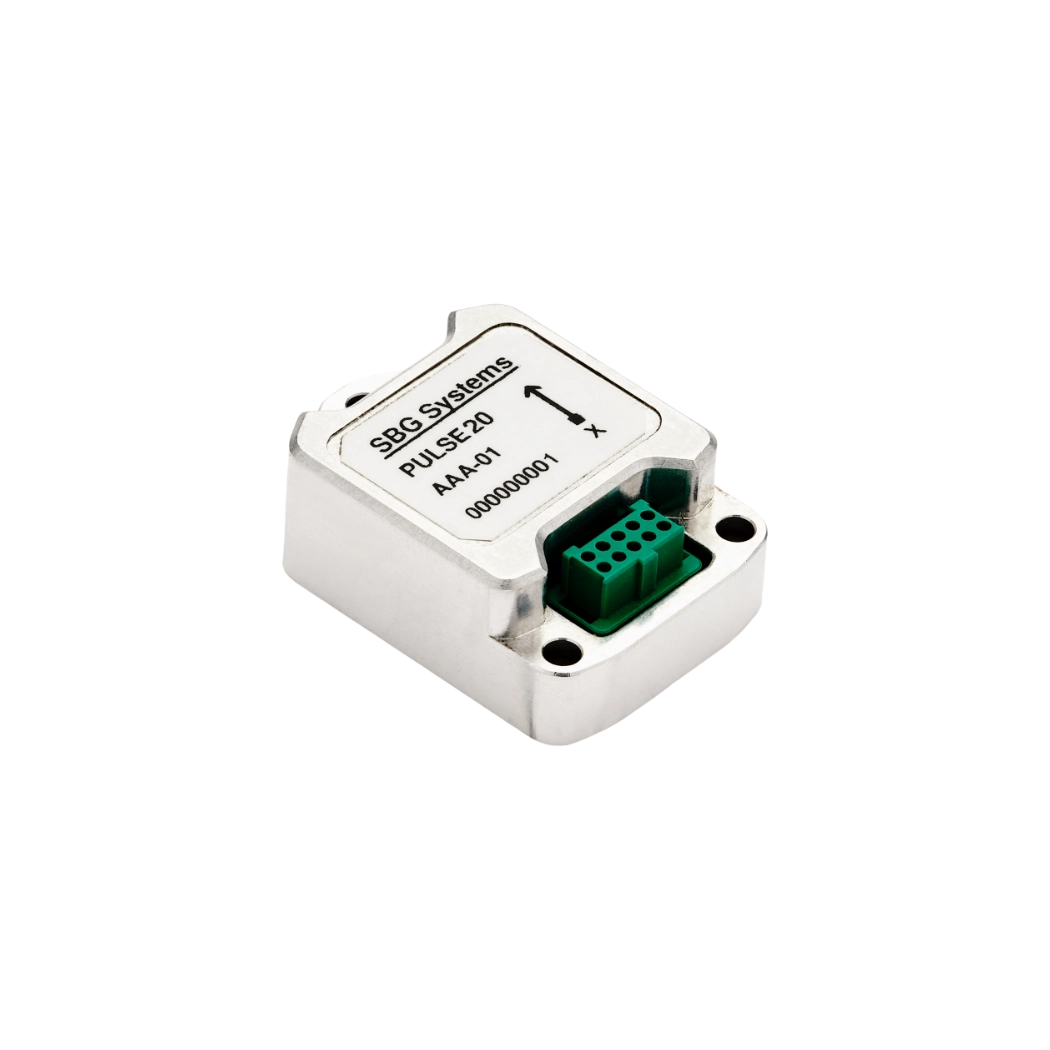
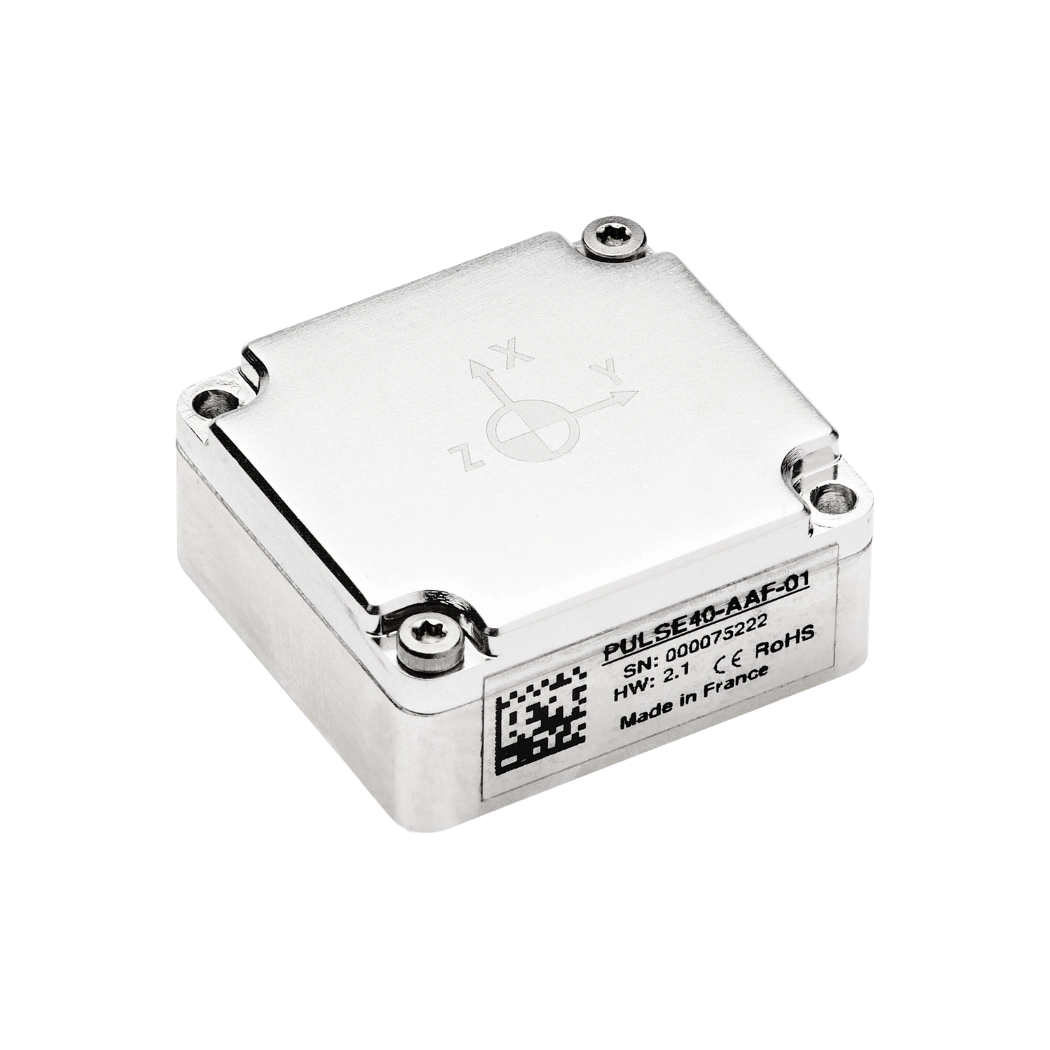
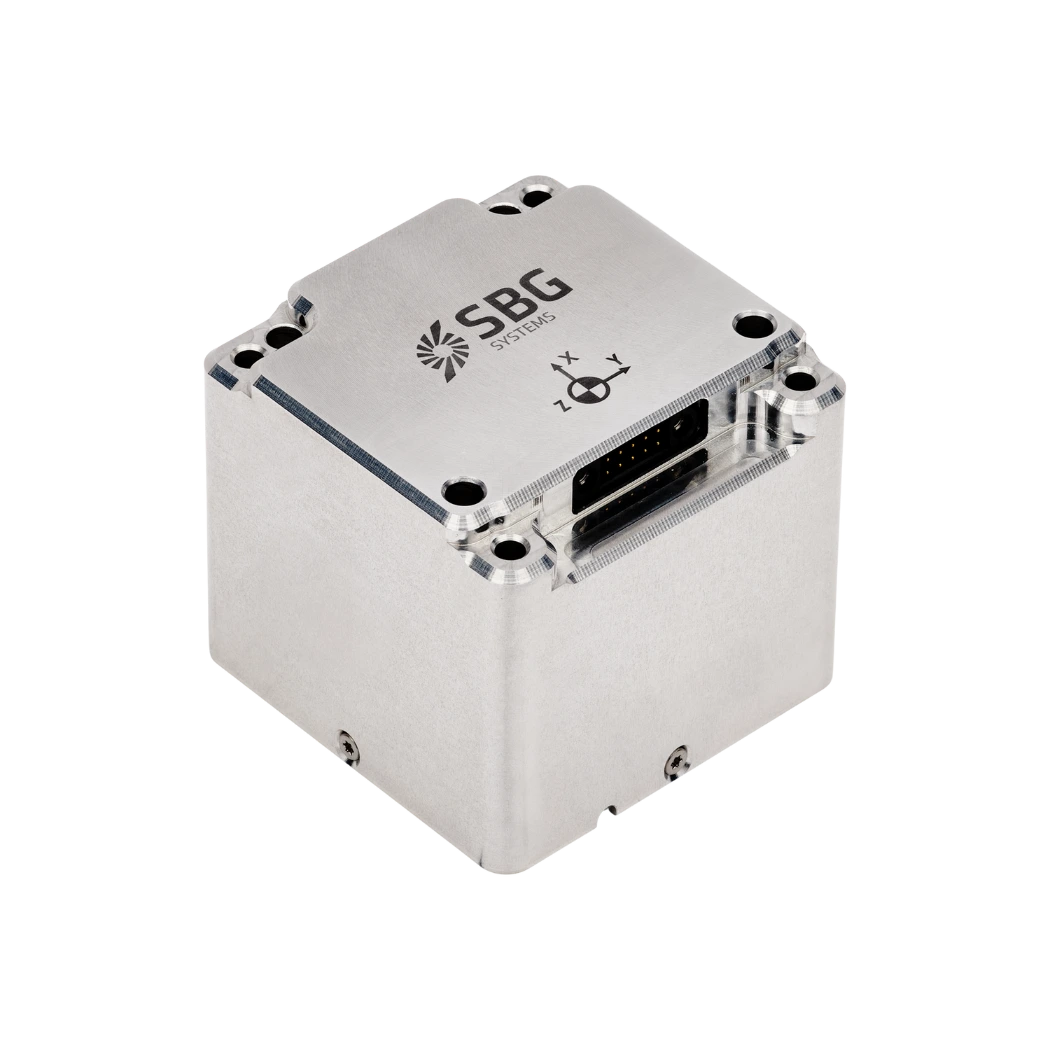
Reducing sensor dimensions enables integration into compact platforms such as loitering munitions, tactical UAVs, robotic vehicles, handheld equipment, and stabilized payloads. Smaller inertial sensors also simplify mechanical integration while increasing packaging flexibility. However, miniaturization should never compromise inertial performance.
Advanced MEMS sensor manufacturing, precision calibration, and optimized signal processing now allow tactical-grade IMUs to deliver excellent bias stability and low noise within extremely compact form factors.
Weight remains equally critical. Every gram added to an airborne platform reduces payload capacity or flight endurance. Lightweight inertial sensors improve vehicle efficiency while minimizing structural constraints. Compact packaging also reduces rotational inertia, benefiting stabilization and control applications.
Power consumption directly affects mission duration. Battery-powered platforms require inertial sensors that operate continuously while consuming only a few hundred milliwatts. Low-power electronics, efficient processing architectures, and optimized firmware extend operating time without sacrificing output rate or navigation accuracy. Designers must also maintain low latency to support fast control loops and real-time guidance.
Cost represents the final component of SWaP-C. Lower acquisition cost reduces overall system expense, but engineers should evaluate total ownership cost rather than purchase price alone. High reliability, long-term stability, simplified integration, and reduced maintenance frequently generate greater lifecycle savings than selecting the least expensive sensor.
SWaP-C in modern technology
Modern IMUs, AHRS, and INS increasingly optimize every aspect of SWaP-C simultaneously. High-performance MEMS technology, integrated processing, intelligent calibration, and robust environmental protection allow today’s inertial systems to achieve tactical-grade performance within remarkably small, lightweight, low-power, and cost-effective packages. As autonomous systems continue to evolve, SWaP-C optimization will remain a fundamental driver of inertial navigation system design.
Tell us about your projects