ADU – Air Data Unit
Air Data Unit (ADU) is a critical component in modern aviation. It processes information from sensors that sample the air surrounding the aircraft. The ADU provides essential parameters for safe navigation and effective control. Technicians once called this device the Air Data Computer.
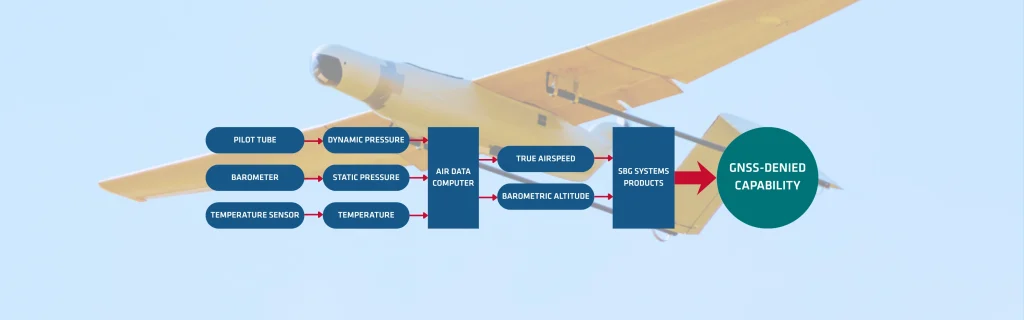
The system relies on several onboard sensors. These sensors include pitot tubes, static ports, and temperature probes. The ADU gathers measurements from these specific sources. It then converts raw data into usable flight intelligence. Pilots and flight systems rely on this processed information constantly. The ADU ensures continuous, reliable operation throughout the entire flight. This unit remains an indispensable tool for flight safety. Its accurate data directly supports every demanding flight phase.
Core Air Data measurements
The ADU uses specialized sensors to capture crucial air parameters. The pitot tube measures total pressure at the front of the aircraft. Static ports accurately determine ambient static pressure. Temperature probes sense the Outside Air Temperature (OAT) precisely. The ADU computes critical quantities from these essential raw inputs. It calculates Indicated Airspeed (IAS) first.
IAS uses the pressure difference between pitot and static sources. This simple calculation provides instant speed information to the pilot. The unit then determines the important True Airspeed (TAS). TAS corrects the IAS value for air density changes. Altitude and temperature affect air density significantly. The ADU also calculates Barometric Altitude accurately. It derives altitude from the measured static pressure reading. The unit compares this pressure against a standard atmospheric model.
These essential measurements provide complementary data to all navigation systems. They are absolutely fundamental for safe, compliant flight operations.
Fusion with inertial navigation systems
Air data becomes extremely important when other navigation sources fail. ADU data becomes a primary aiding source for Inertial Navigation Systems (INS). This robust relationship is critical in GNSS-denied conditions.
Satellite navigation signals may become unavailable or unreliable due to interference. The ADU helps circumvent this sudden absence of GNSS data. It provides independent estimates of both airspeed and altitude. This continuous data ensures stable flight control and uninterrupted navigation. Air data measurements are inherently robust and difficult to disrupt. Jamming or spoofing tactics do not affect these physical pressure measurements. This makes ADU data highly valuable for overall system integrity.
The fusion process enhances the overall navigation solution’s accuracy and stability. The ADU effectively extends the INS’s operational time without external correction. This synergy significantly improves overall aircraft resilience and mission success. The blending of these two systems creates a powerful, redundant navigation capability.
Air data aiding across SBG Systems products
All SBG INS products integrate an input for an external air data aiding, improving the dead reckoning navigation. This integration is performed within an advanced sensor fusion algorithm that automatically estimates wind vectors, airspeed scale factors, and barometric altitude scale factors during GNSS-available flight, preparing the system for GNSS-denied operation.
This approach enables SBG INS products to provide robust, continuous navigation, even in GNSS-denied environments, while mitigating the effects of air data limitations and environmental disturbances.
Limitations and environmental effects
Despite its inherent reliability, air data is not entirely infallible. Its overall accuracy can be affected significantly by several external factors. Uncorrected wind speed and direction introduce clear measurement biases. These biases distort indicated airspeed and the crucial ground-track estimation.
Adverse weather conditions also degrade sensor readings. Extreme turbulence can cause momentary, misleading pressure fluctuations. Icing or heavy precipitation affects the performance of exposed pitot tubes.
Temperature or pressure gradients pose another challenge to accuracy. These gradients affect the precise calculation of air density. Incorrect density calculations then skew the computed barometric altitude. Without proper compensation, these factors reduce the air data’s navigation reliability significantly.
Operators must account for all environmental disturbances. They must ensure the ADU provides the most accurate possible outputs. Acknowledging these limitations drives better system design.
Advanced ADU aiding and compensation
Modern navigation systems actively address common ADU limitations. Advanced sensor fusion algorithms integrate the external air data input. This sophisticated integration dramatically improves the dead reckoning navigation process.
Navigation systems can automatically estimate the challenging wind vectors. They calculate crucial airspeed scale factors for calibration. They also refine barometric altitude scale factors effectively. This estimation process occurs during normal flight when GNSS is readily available.
The system effectively prepares itself for future GNSS-denied operations. This sophisticated approach enables continuous, robust navigation. It successfully mitigates the common effects of air data limitations. It also compensates for various environmental disturbances in real-time.
Such systems offer highly reliable navigation solutions. They operate effectively even in the most challenging operational environments. The ADU remains an essential and constantly improving piece of aviation technology and UAV components. Continued innovation drives the future of flight safety.