
Orientation

Orientation involves knowing your position relative to a reference. This fundamental concept is crucial for all navigation. Without it, we cannot determine our path. Good orientation lets us move accurately toward a target. It helps us avoid getting lost. Orientation also describes the attitude of an object. This means the way a device or vehicle points in three-dimensional space.
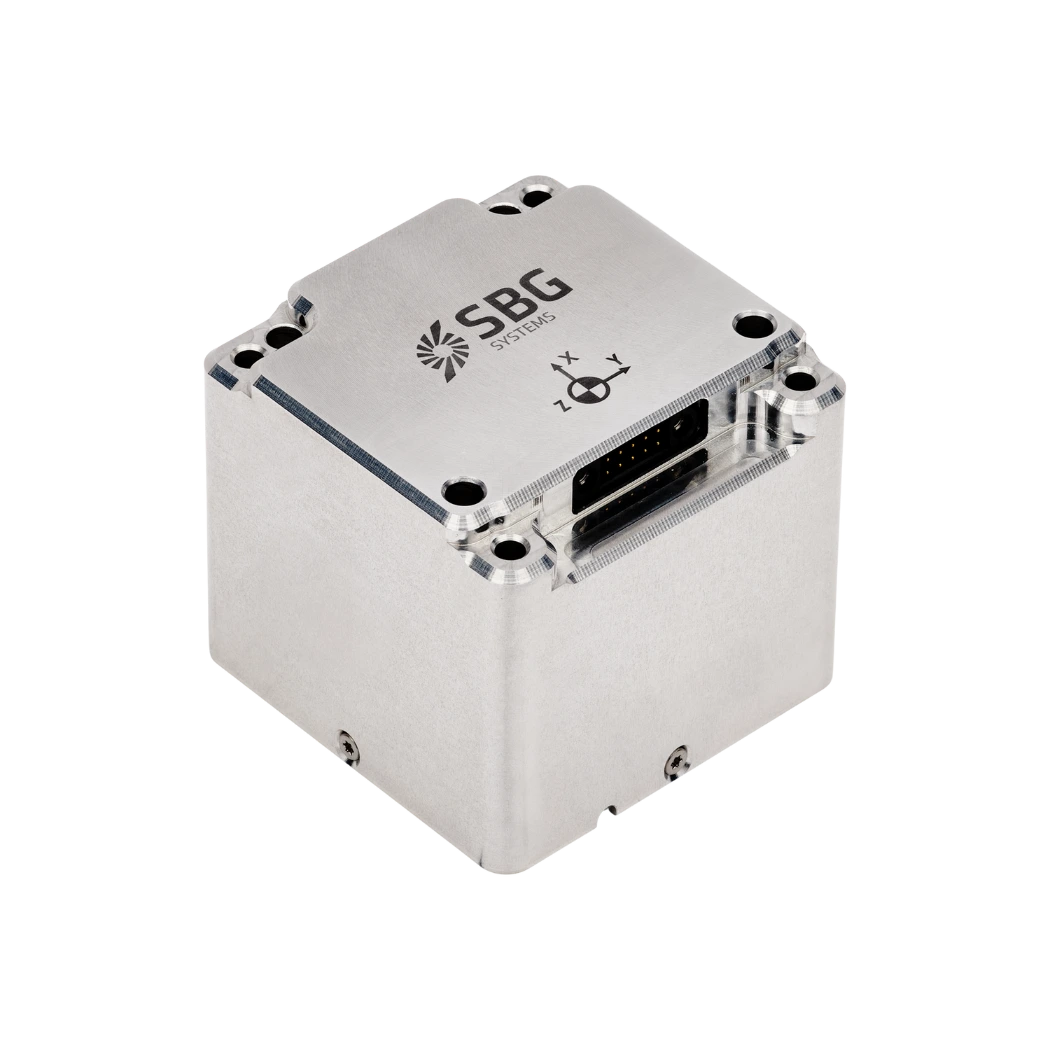
Think of an airplane’s orientation. Its attitude specifies the direction the nose points. It also includes the tilt of the wings. All of this, is defined by angles like roll, pitch, and yaw. Roll is rotation about the front-back axis. Pitch is the rotation about the side-to-side axis. Yaw means rotation about the vertical axis. A sensor, like an Inertial Measurement Unit (IMU), actively tracks these rotations. The IMU helps maintain the vehicle’s desired attitude.
Orientation gives context to location. Knowing only the location is not enough. You must also know which way the vehicle faces. This attitude directly affects the path taken. Precise data ensures a drone flies straight. It ensures an autonomous car stays in its lane. Accurate attitude measurement allows vehicles to execute turns correctly.
Furthermore, it allows navigators to successfully track their bearing. Navigation systems constantly update orientation information. This allows for dynamic adjustments to the vehicle’s course. We rely on good orientation for safe and effective travel. This connection between attitude and movement is paramount.
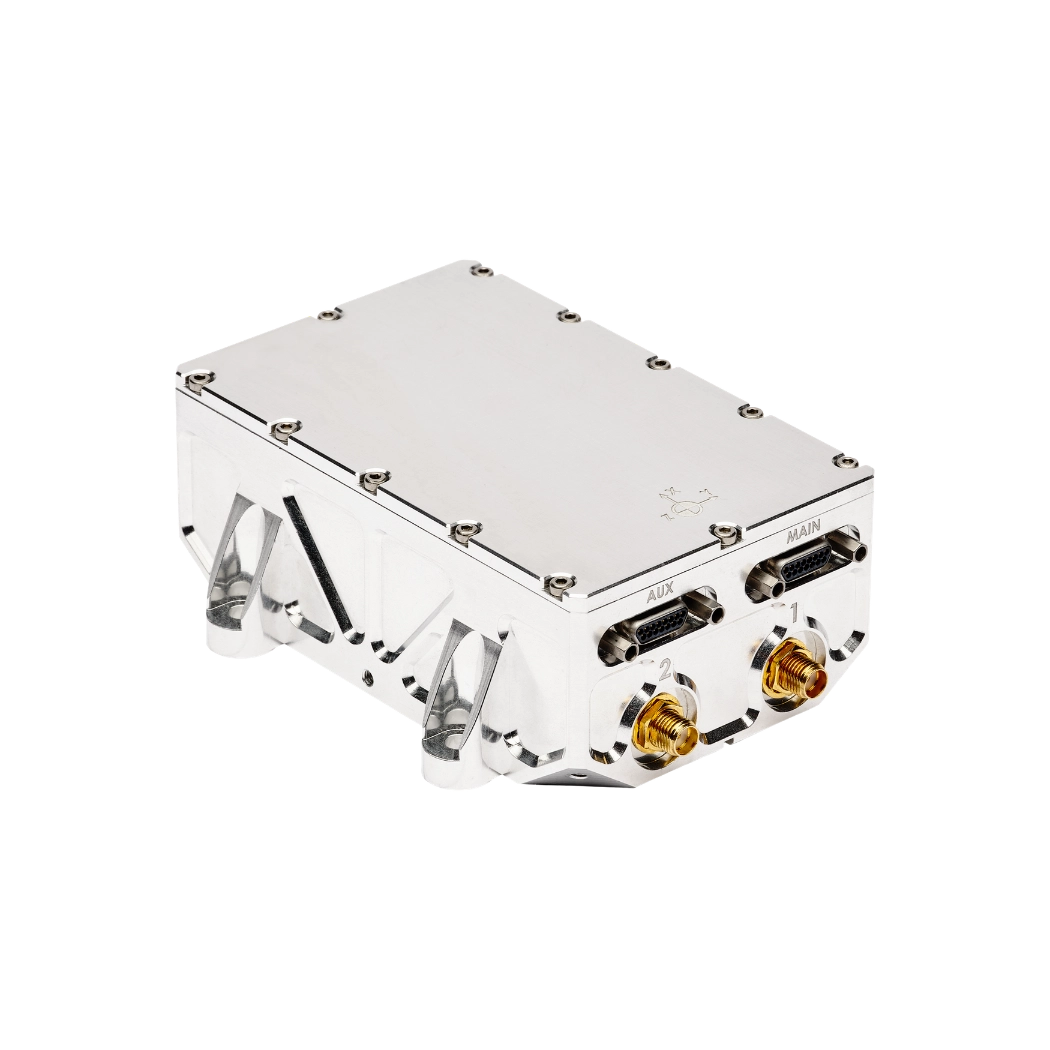
We develop high-accuracy inertial sensors for demanding applications that absolutely require good orientation. Geospatial professionals use them for precise aerial mapping. Hydrographers rely on them to accurately survey the seafloor. Unmanned Aerial Vehicles (UAVs) use the devices for stable flight control. Autonomous vehicles utilize the data for reliable navigation. Defense systems need the orientation for accurate payload pointing.