Swell

Swell in the context of motion and navigation refers to the long, often-uninterrupted waves that travel across the ocean surface, originating from distant weather systems. These waves are characterized by their longer wavelengths and periods compared to locally generated wind waves. In navigation, understanding swell is crucial for ensuring the safety and efficiency of marine operations, as it affects vessel stability, speed, and fuel consumption.
Swell waves are generated by wind blowing over a large area of the ocean surface. The primary factors that contribute to this waves formation include:
- Wind Speed: Strong winds generate higher energy waves.
- Wind Duration: The longer the wind blows, the more energy is transferred to the waves.
- Fetch: The distance over which the wind blows without interruption. A larger fetch results in more developed waves.
After the wind stops or the storm moves away, these waves continue to propagate across the ocean as swell, traveling long distances with minimal energy loss.
Swell waves
Engineers typically characterize swell waves by these metrics:
- Long Wavelengths: The distance between successive wave crests can be significantly longer than that of wind waves.
- Long Periods: The time interval between successive wave crests (wave period) is longer, often ranging from 10 to 20 seconds or more.
- Consistency: Swell waves maintain a more uniform pattern compared to the irregular nature of wind waves.
Understanding it is vital for maintaining vessel stability and safety. It can cause significant pitching (up and down motion – Pitch) and rolling (side to side motion – Roll) of vessels. Excessive pitching and rolling can lead to cargo shift, structural stress, and crew discomfort.
In certain conditions, large swell waves can pose a risk of broaching (loss of steering control) and capsizing, particularly for smaller vessels and those with high centers of gravity.
Sailing perpendicular or against swell increases resistance. Consequently, this also raises fuel consumption. Therefore, navigators commonly plan routes. These routes, in contrast, let vessels move with the swell direction. Predicting swell wave height is instrumental for planning; similarly, predicting swell wave period is also key for planning. Ultimately, this helps determine optimal course and speed adjustments. These changes, in addition, minimize fuel usage. Furthermore, they also help avoid rough sailing conditions.
Mitigating swell impact on heave
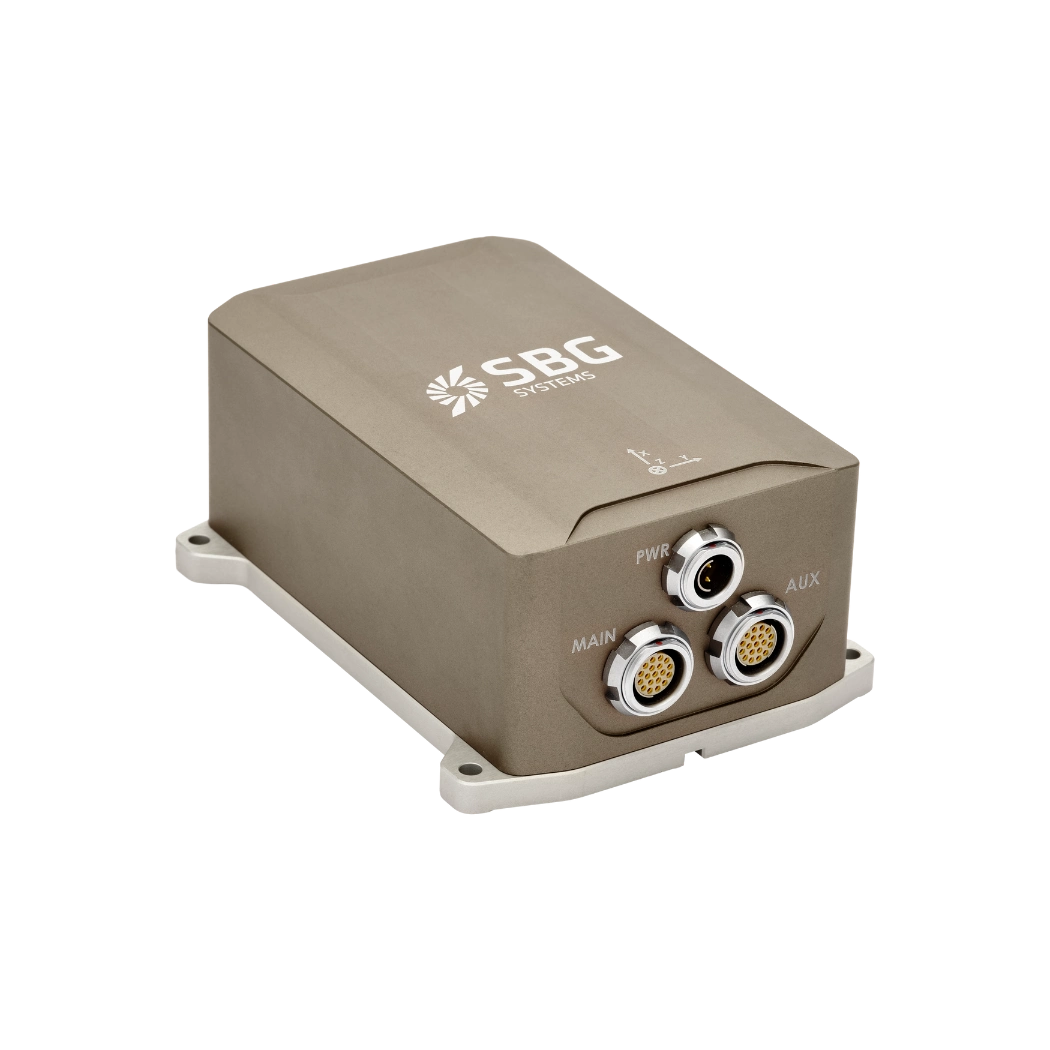
Inertial sensors are a crucial component in active swell mitigation systems for marine vessels. They don’t mitigate it directly, but rather provide the essential, real-time motion data that allows active systems to counteract the swell’s effects on the ship.
The mitigation process involves three primary steps: Measurement, Prediction, and Compensation.
Sensors combine gyroscopes and accelerometers. They accurately measure the vessel’s six-degree-of-freedom (6-DOF) motion. Accelerometers measure translational motions. These motions include heave, surge, and sway. Additionaly, gyroscopes measure rotational motions. These motions are roll, pitch, and yaw.