Electronic warfare
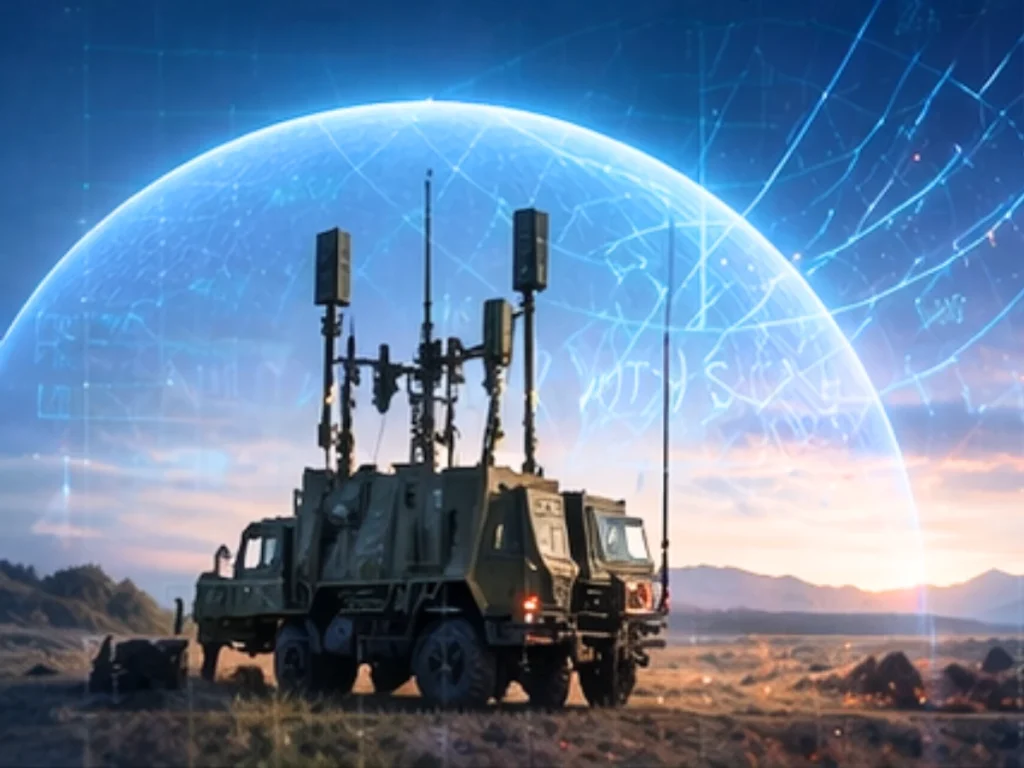
Electronic warfare enables military forces to control the electromagnetic spectrum in operational environments. It supports missions across land, air, sea, space, and cyber domains. Modern defense systems depend on reliable spectrum access. Communications, radar, and navigation all rely on electromagnetic signals. Electronic warfare protects this access while denying it to adversaries.
Electronic attack, protection, and support
Three complementary functions structure electronic warfare and work together to disrupt adversaries, protect friendly systems, and enhance operational awareness in contested electromagnetic environments.
Firstly, electronic attack has the capacity to disrupt enemy capabilities through jamming and signal deception. Operators target radar systems, communication links, and satellite navigation. This approach is intended to reduce enemy awareness and weaken coordination.
Secondly, electronic protection mechanisms are in place to safeguard the integrity of our systems from any potential interference. Engineers specialising in this field are responsible for the design of resilient sensors, filters and encryption methods. These solutions ensure consistent performance in contested electromagnetic environments. Redundant navigation systems also improve operational continuity.
Finally, electronic support provides detection and analysis of electromagnetic emissions. It facilitates real-time situational awareness and threat identification. This intelligence is used by commanders to facilitate more efficient and accurate decision-making.
Electronic warfare is an increasingly important aspect of modern operations, due to its ability to significantly enhance the effectiveness of military forces. It has been demonstrated to fortify command and control systems under duress. This also enhances the precision of targeting and the effectiveness of the mission.
Role of inertial navigation systems
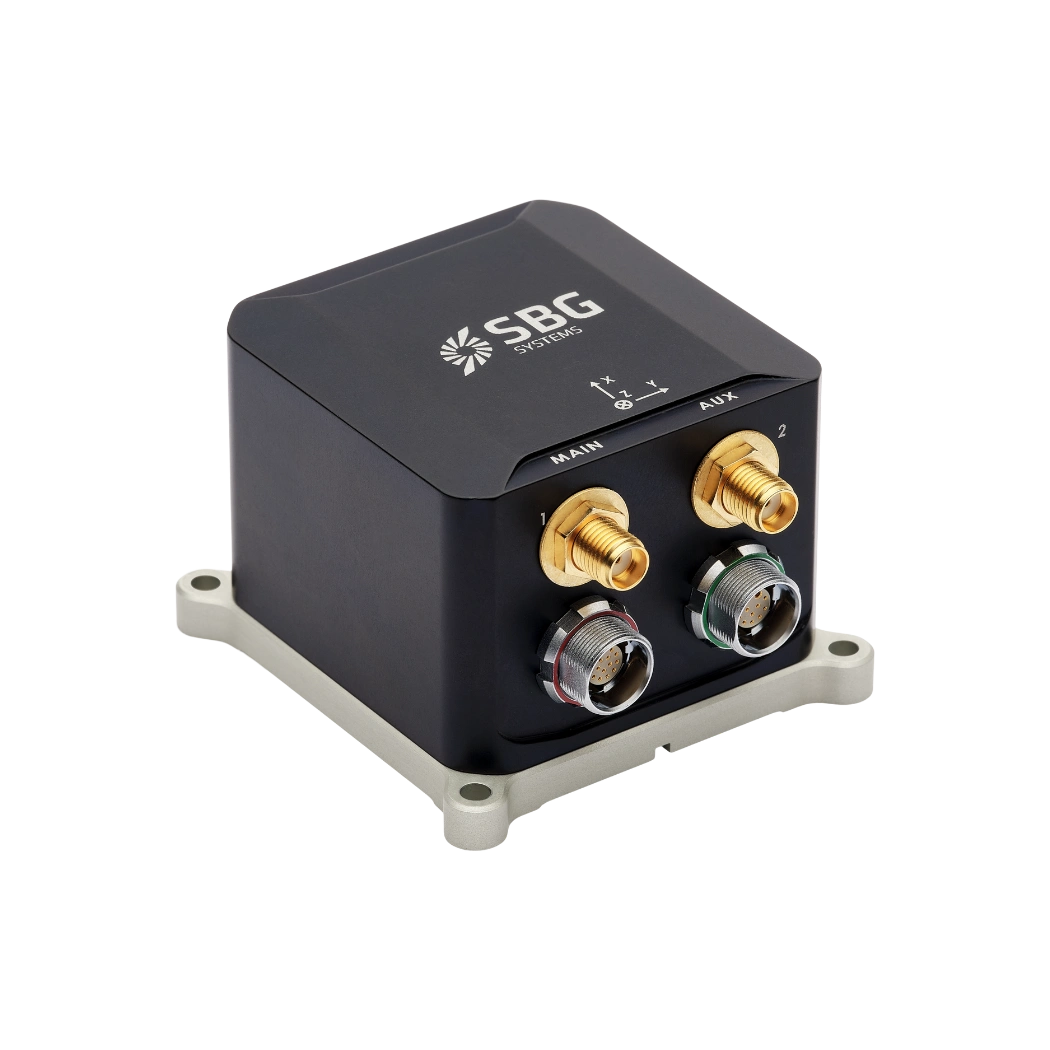
In GNSS-denied environments, inertial navigation systems become critical. They ensure consistent positioning in the event of disruption to satellite signals. This integration enhances resilience in challenging environments. Defence organisations around the world are making significant investments in efforts to gain and maintain spectrum superiority.
Electronic warfare has evolved into a strategic domain of competition. It enables forces to neutralise threats without kinetic engagement. This capability reduces collateral damage and protects civilian infrastructure. In addition, it improves safety for military personnel operating in areas of conflict. Engineers are continually developing electronic warfare systems. All market actors’s core competencies lie in signal processing, detection speed and adaptive response. These advances ensure operational advantage in rapidly evolving threat environments.
Electronic warfare therefore remains essential for modern multidomain defense operations.