Wave period
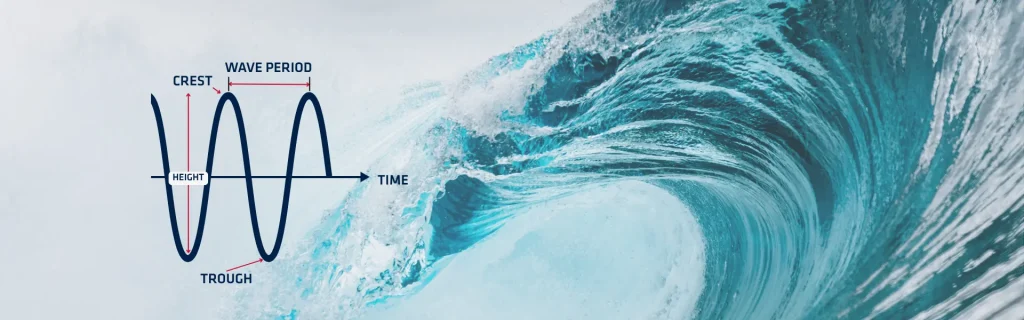
Wave period defines the time a wave needs to complete one full cycle. We typically measure it in seconds. Think of it as the interval between two successive wave crests passing a fixed point. This metric is absolutely crucial in oceanography and maritime operations.
A wave’s period directly impacts its energy and behavior. Longer periods indicate more powerful waves. These waves travel faster and cover greater distances. Short-period waves, often called wind waves, feel choppier and less organized. Swell waves, which travel far from their origin, have much longer periods (wave peak period). They bring significant energy to coastlines and vessels.
Professionals use this measurement to assess sea state conditions. Long periods mean smoother, more powerful movements for a vessel. Short periods suggest more rapid oscillations and vertical displacement, or heave. Offshore platforms and hydrographic surveys demand accurate real-time heave data. This information is vital for ensuring operational stability and crew safety. Advanced sensors track and compensate for these continuous motions.
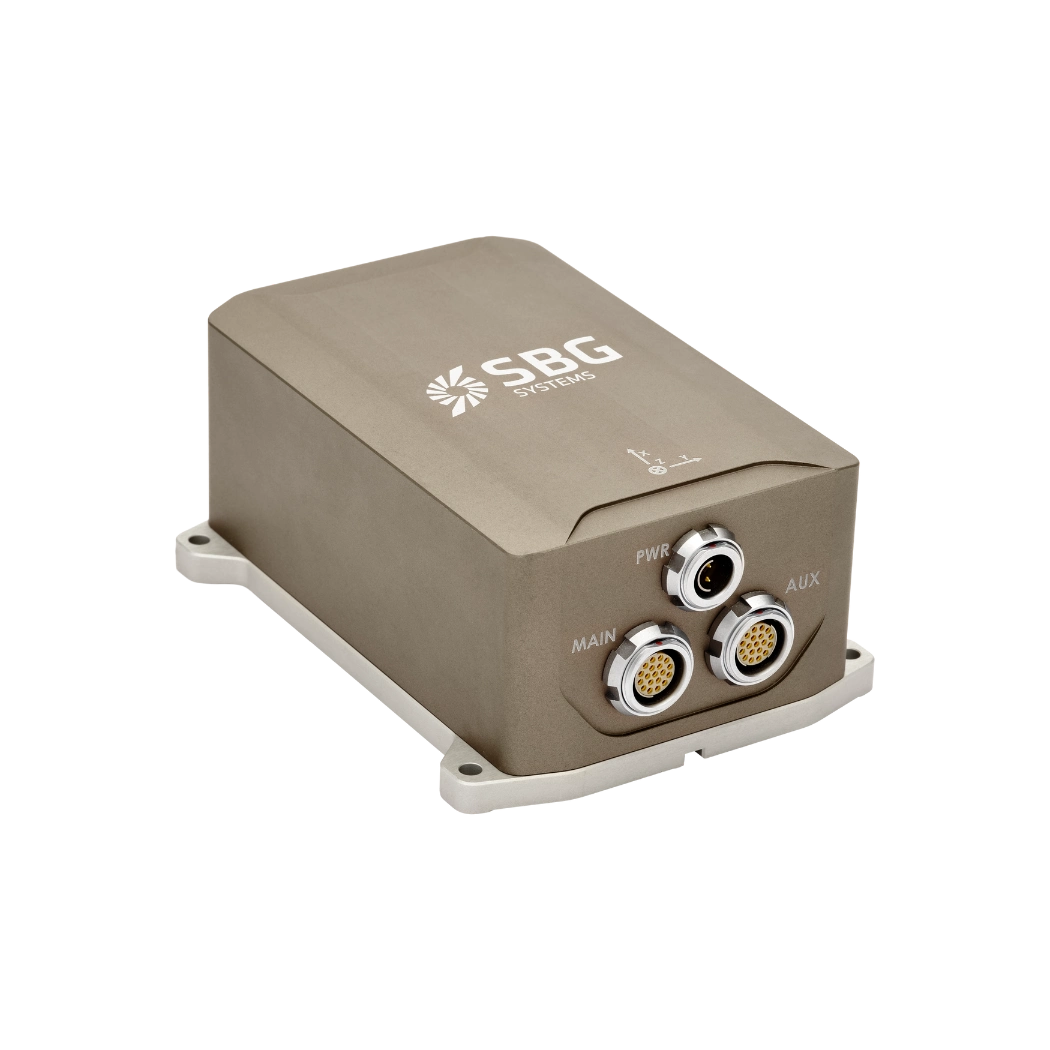
For real-time heave in demanding sea operations, our company offers high-performance Attitude and Heading Reference Systems (AHRS). These Motion Reference Units (MRU) provide automatic adjustment to the wave period. Each sensor delivers a real-time heave accuracy of 5 cm. Its advanced filtering makes it robust against vibrations. It automatically adjusts to wave periods up to 20 seconds.
This is made possible by the integration of state-of-the-art MEMS technology. Each AHRS demonstrates the capacity to achieve tactical grade performance and provides superior accuracy for the most demanding applications. Moreover, all of these systems incorporate marine-oriented motion profiles. The primary function of these instruments is to ensure the accurate and stable measurement of heave in dynamic conditions.